-25%
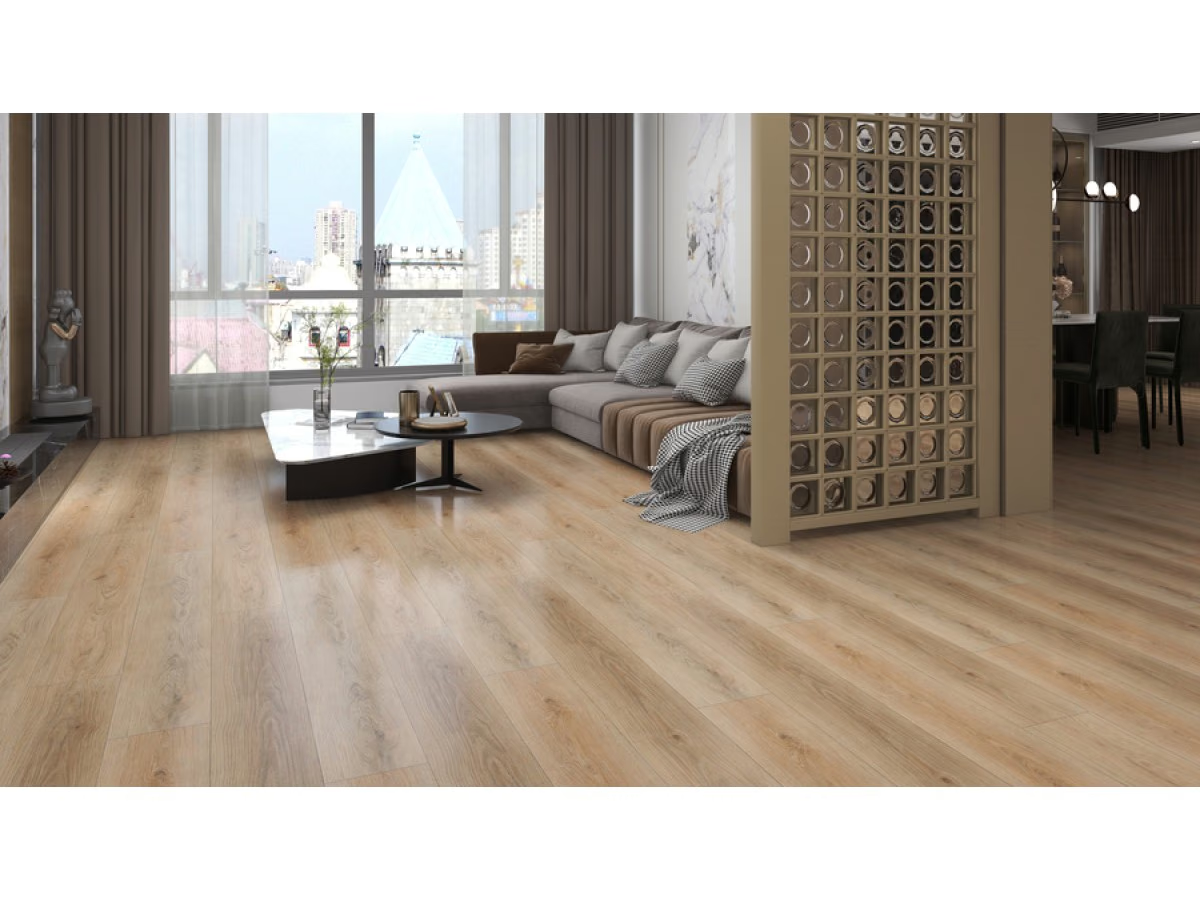
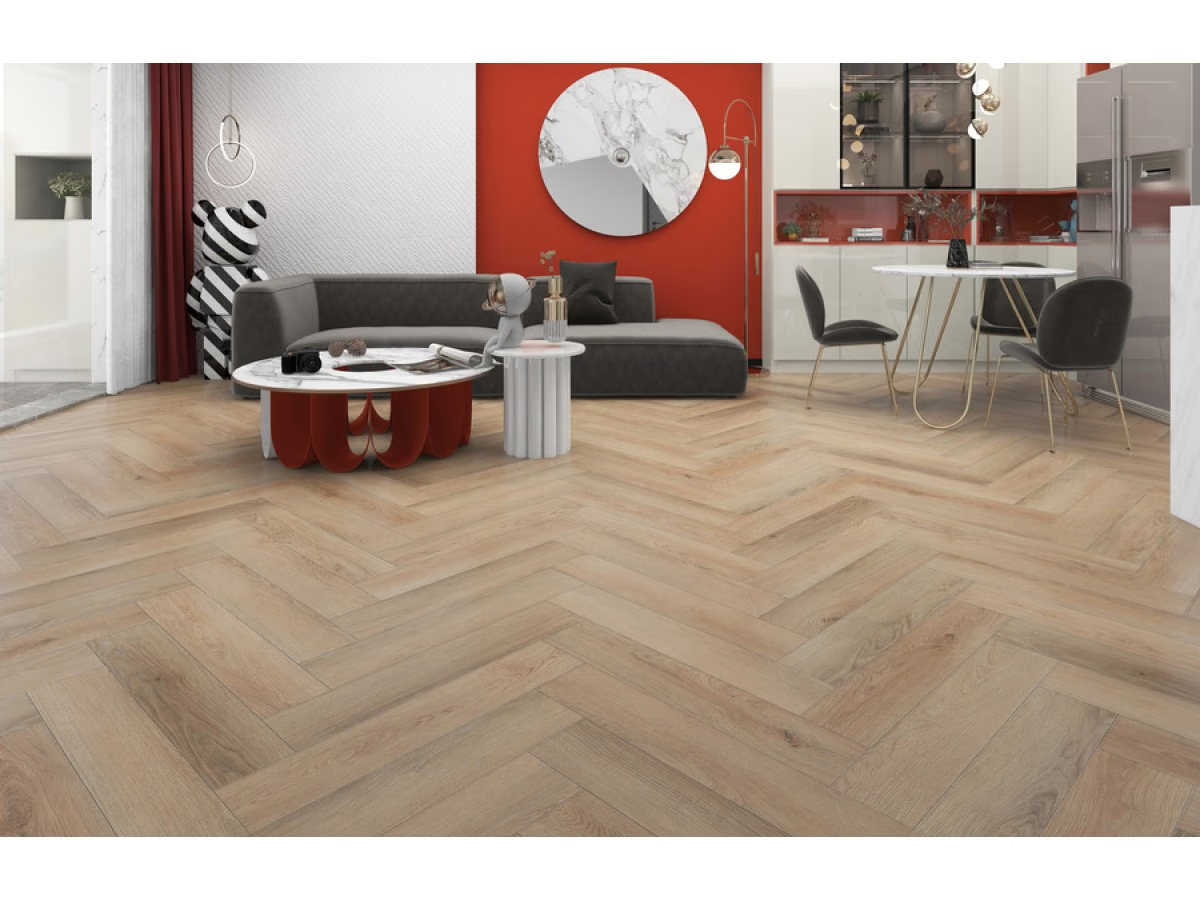
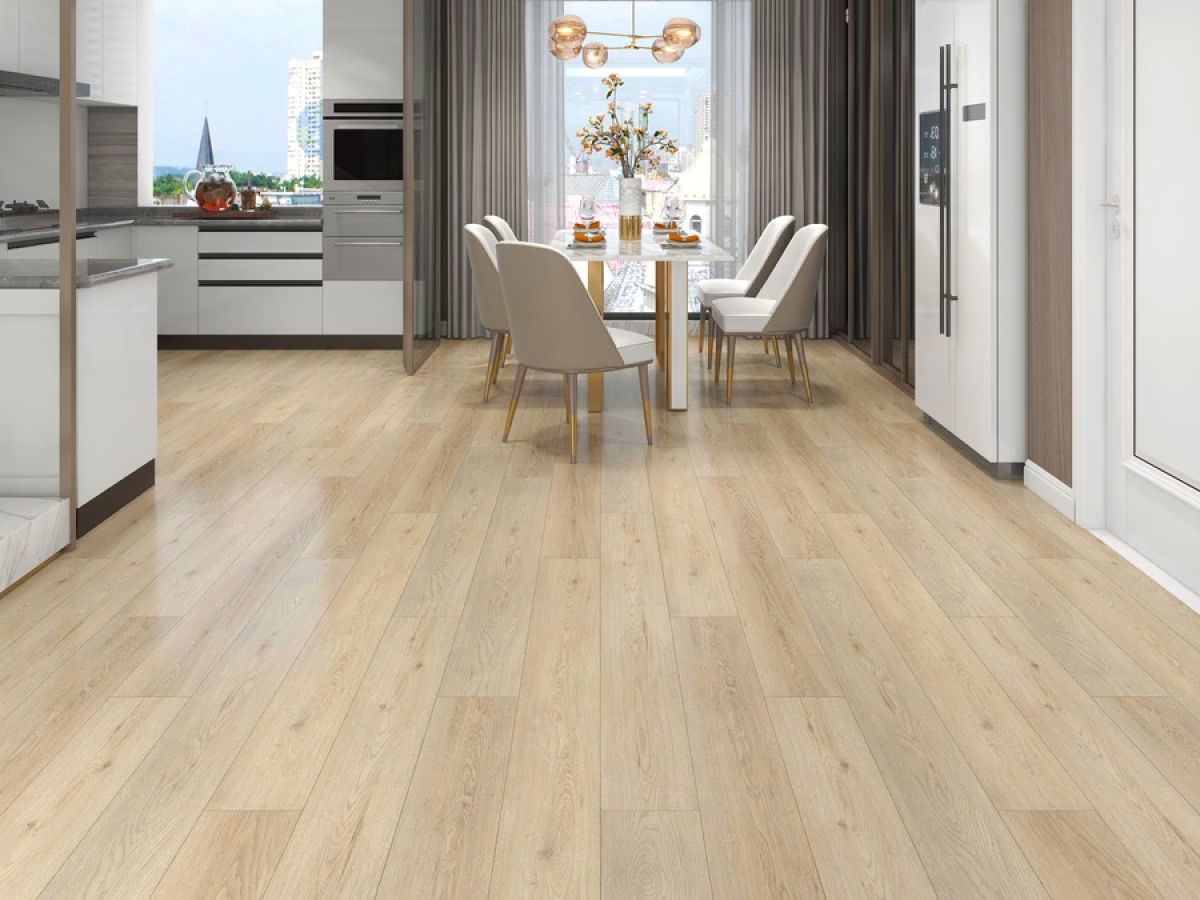
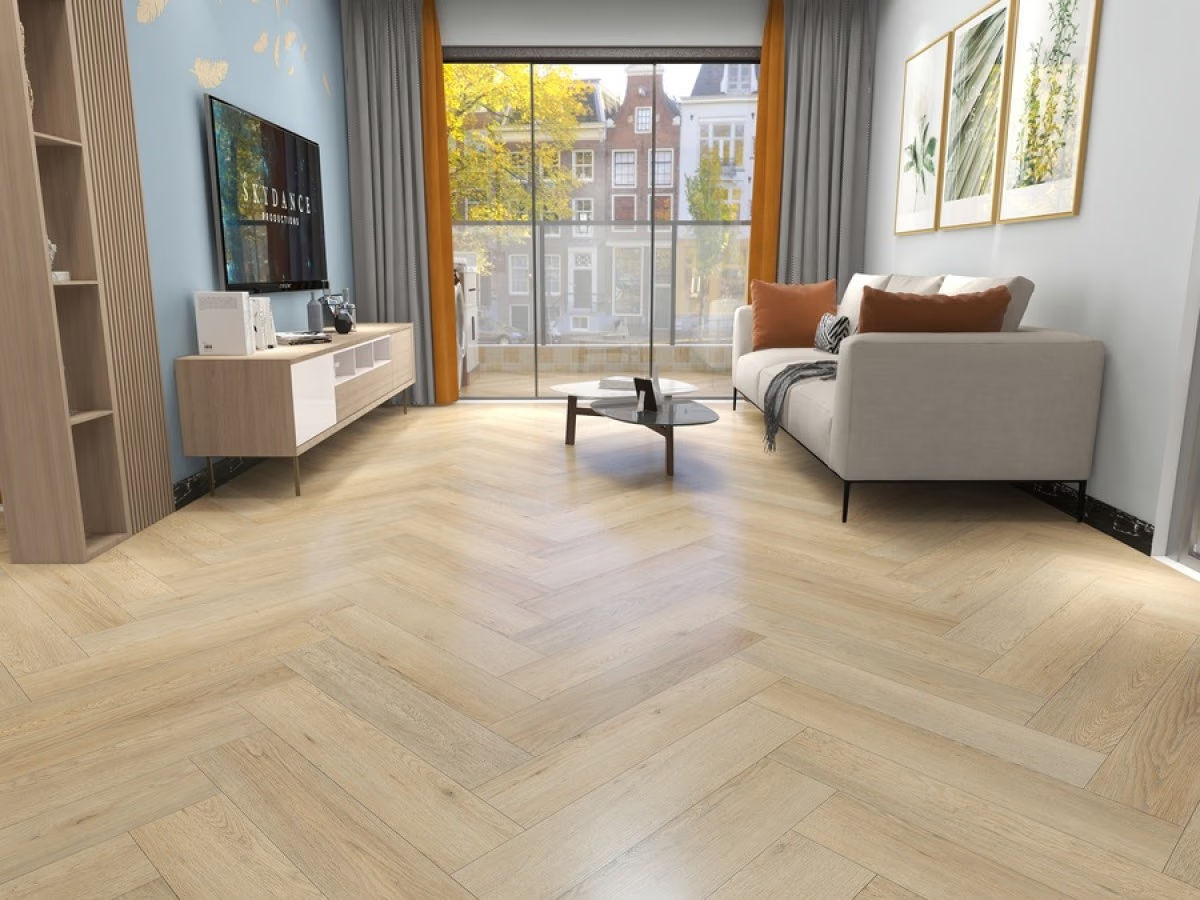
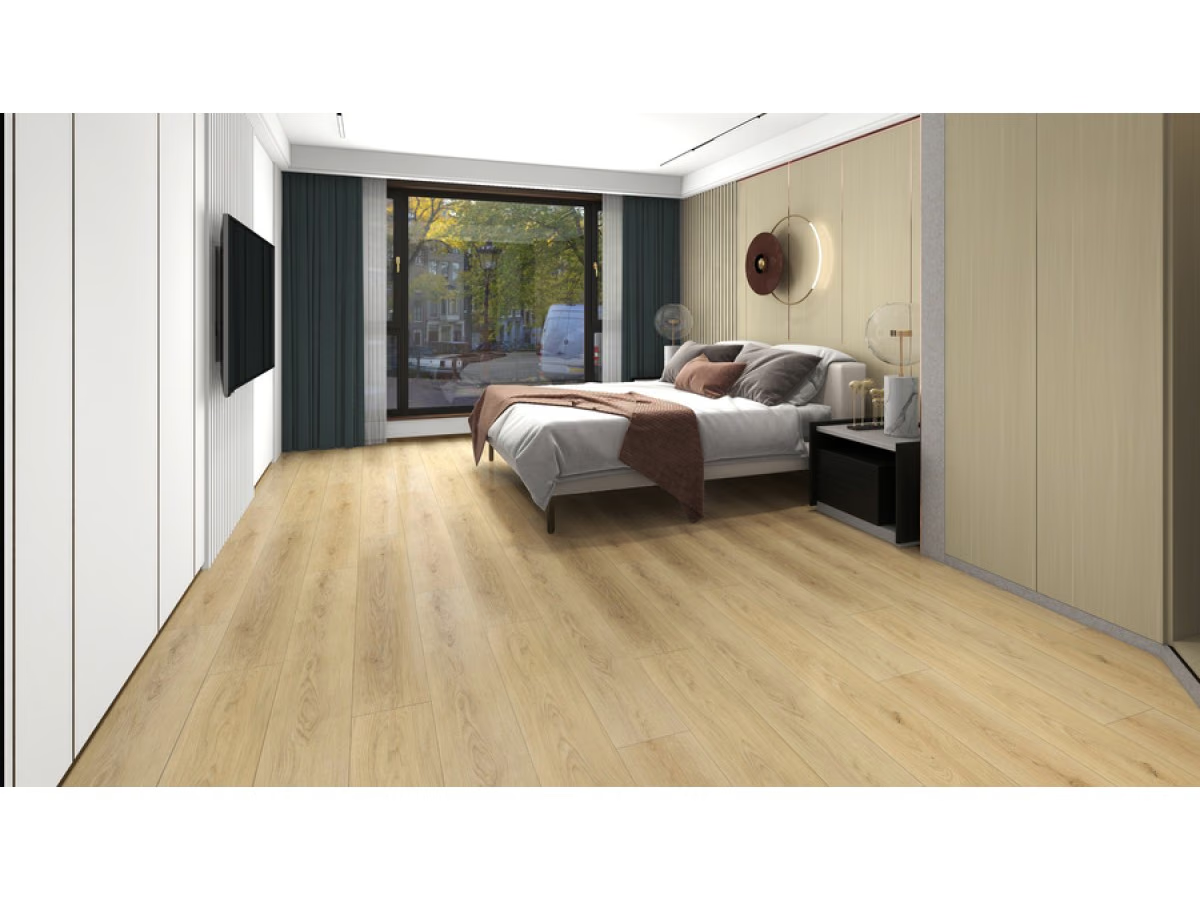
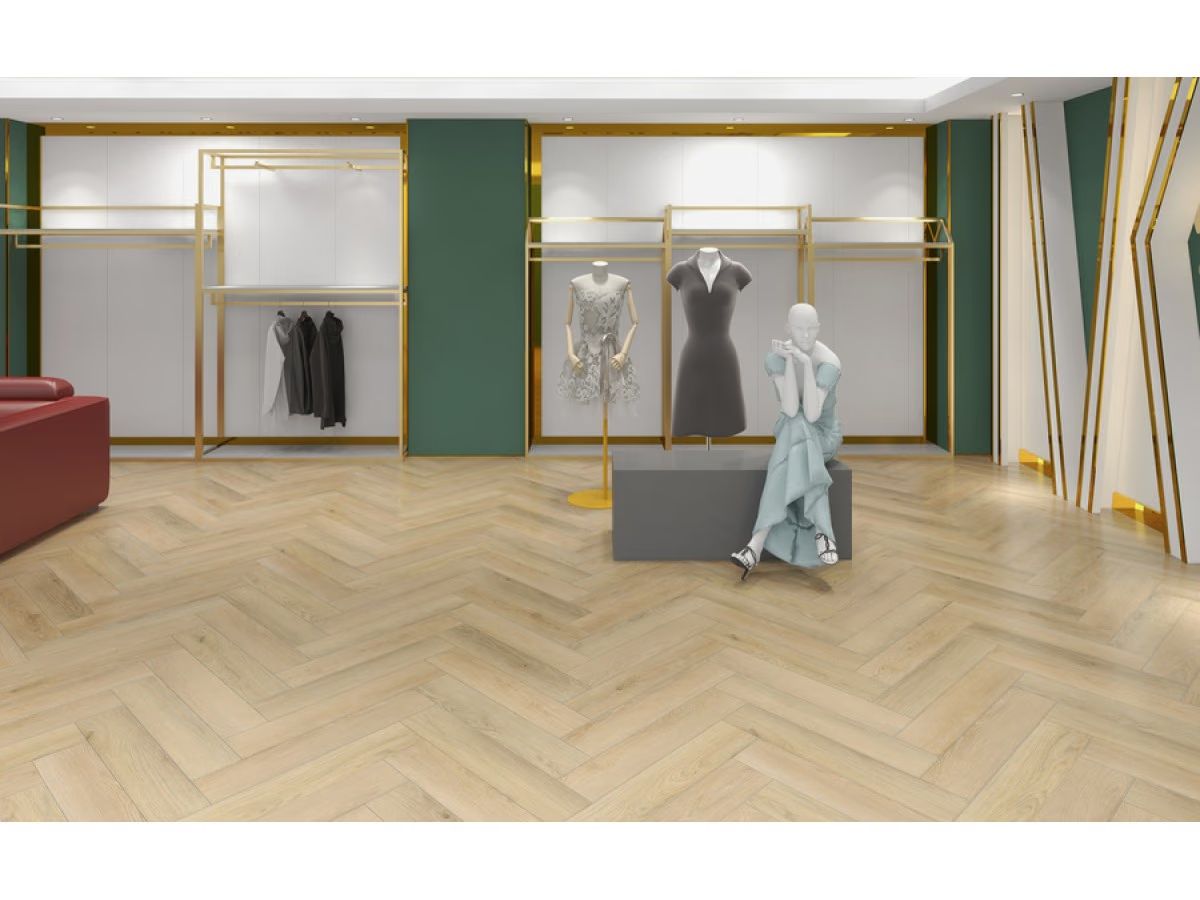
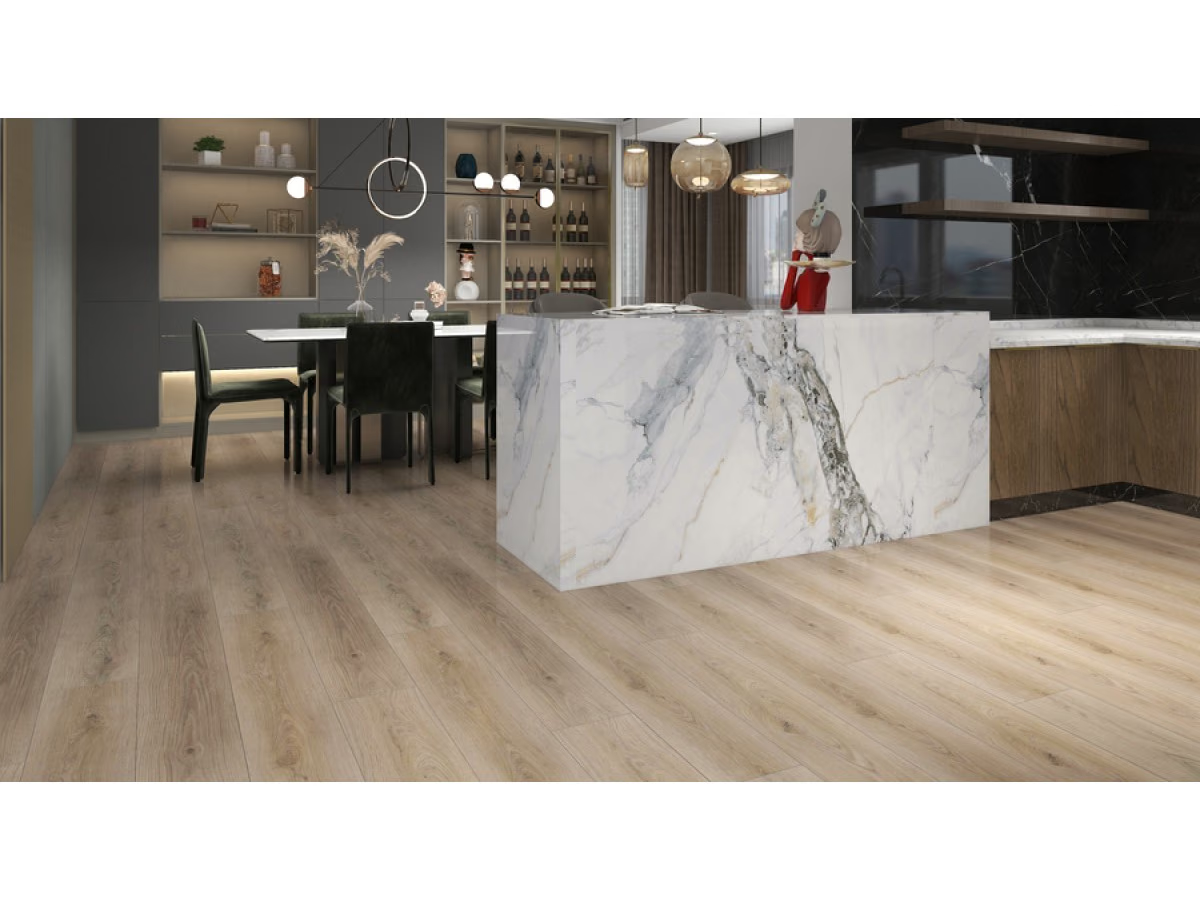
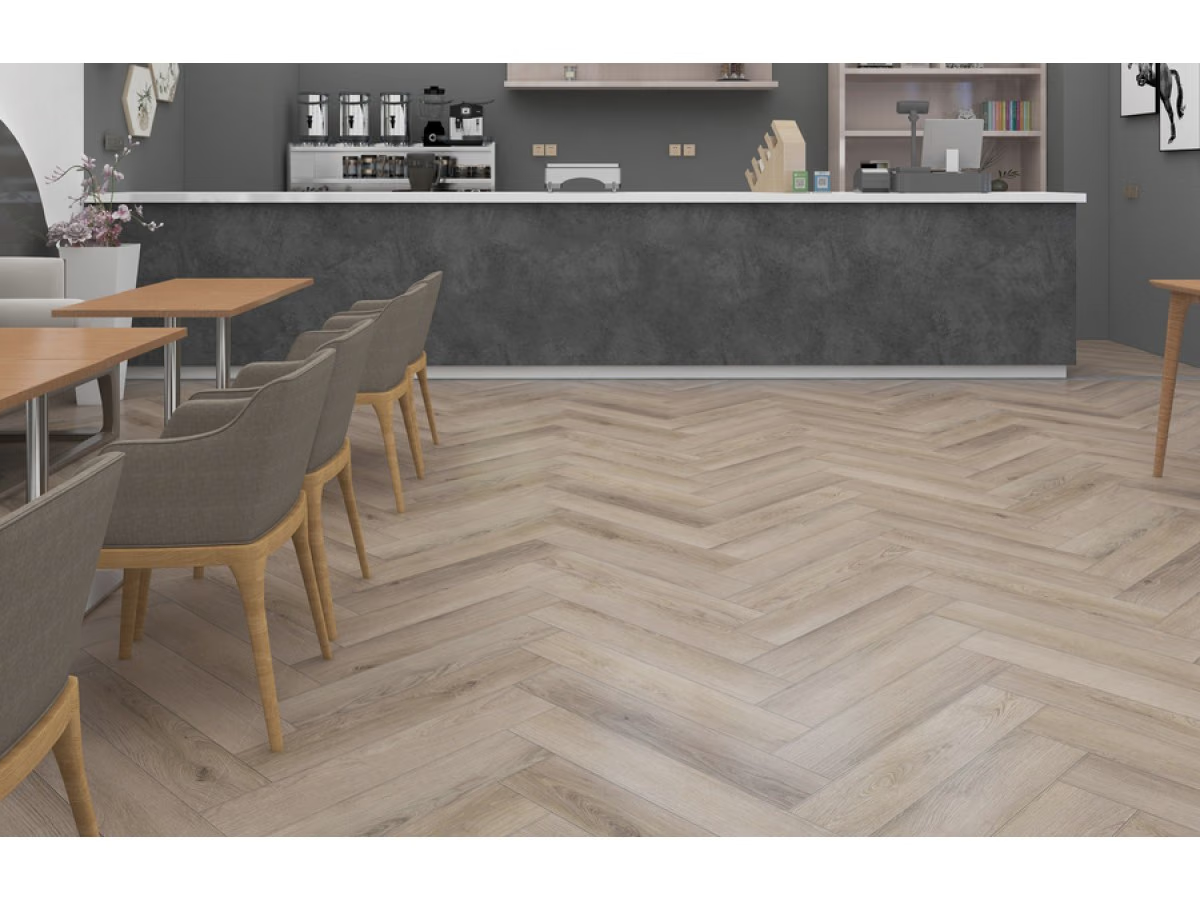
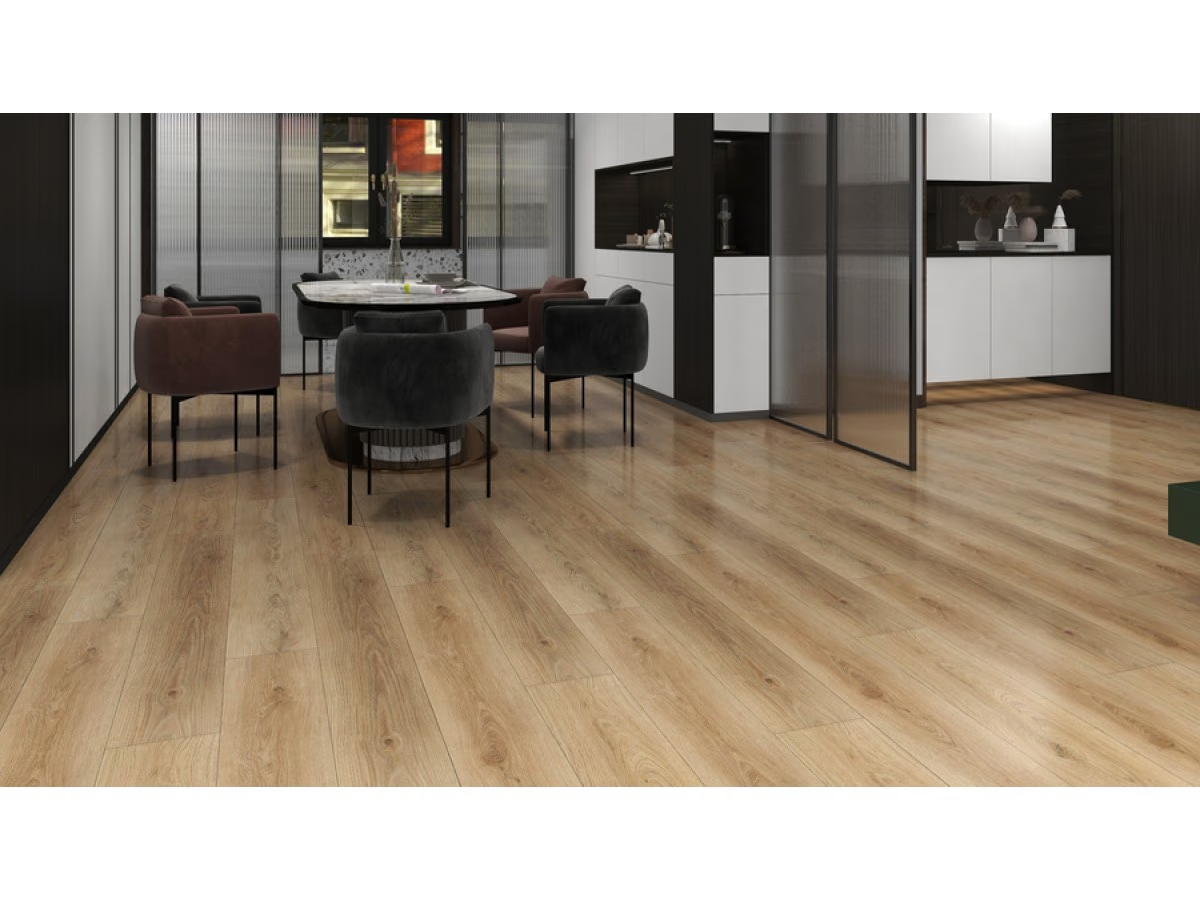
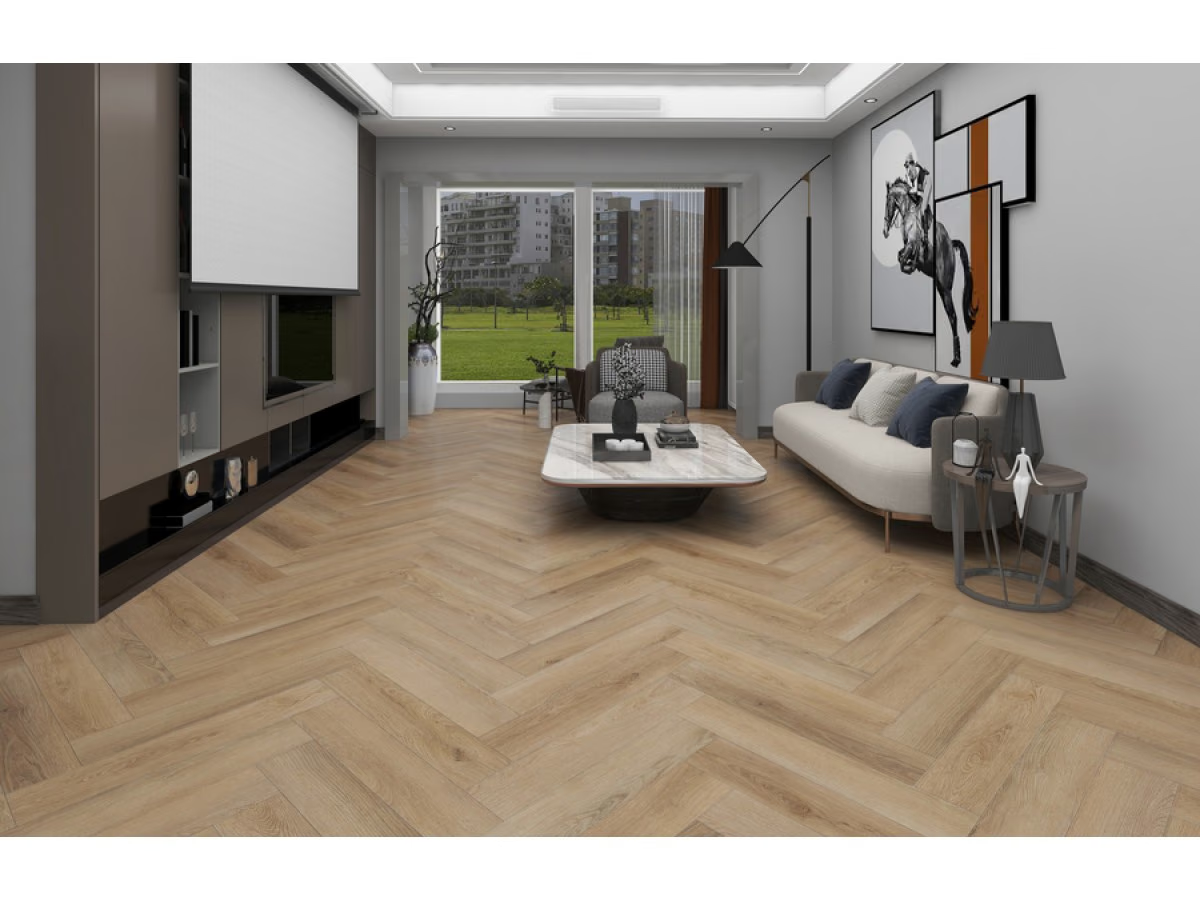
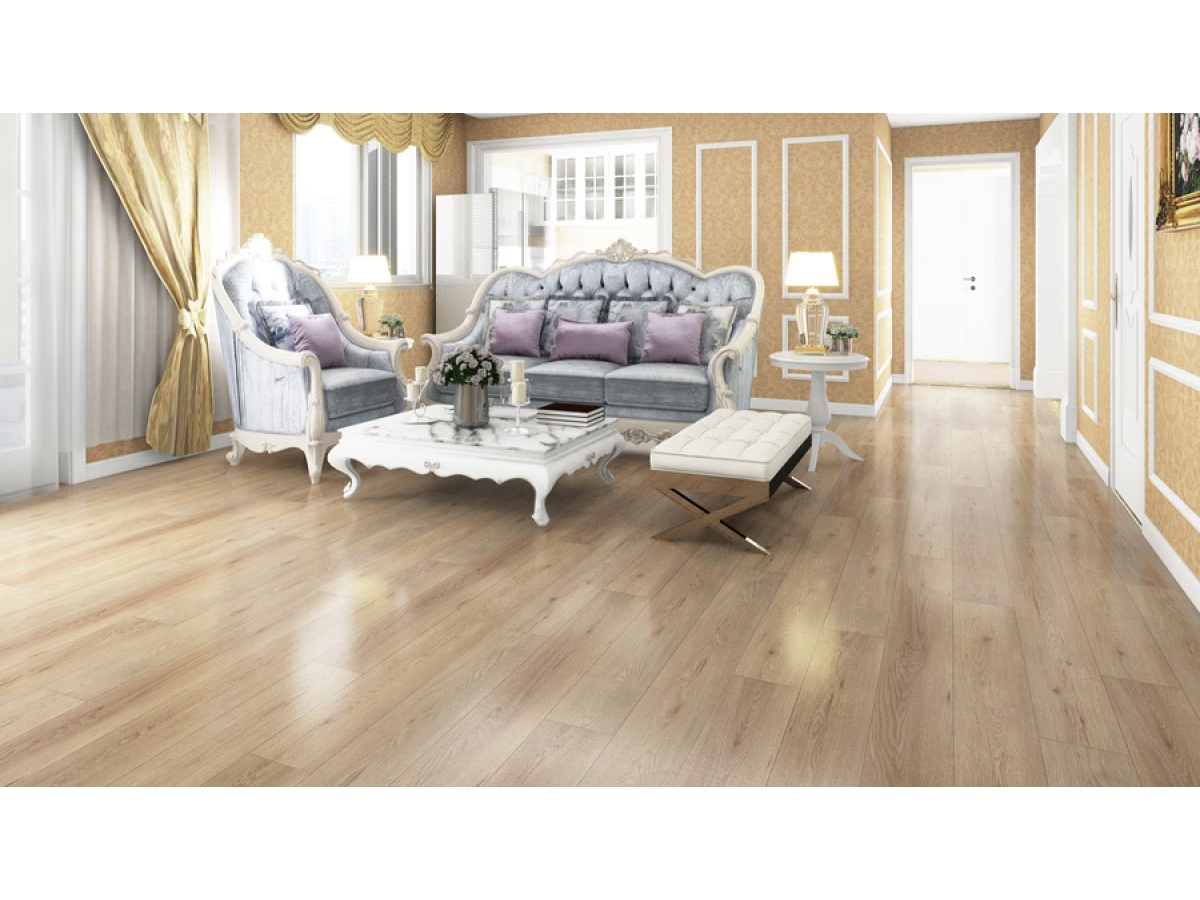
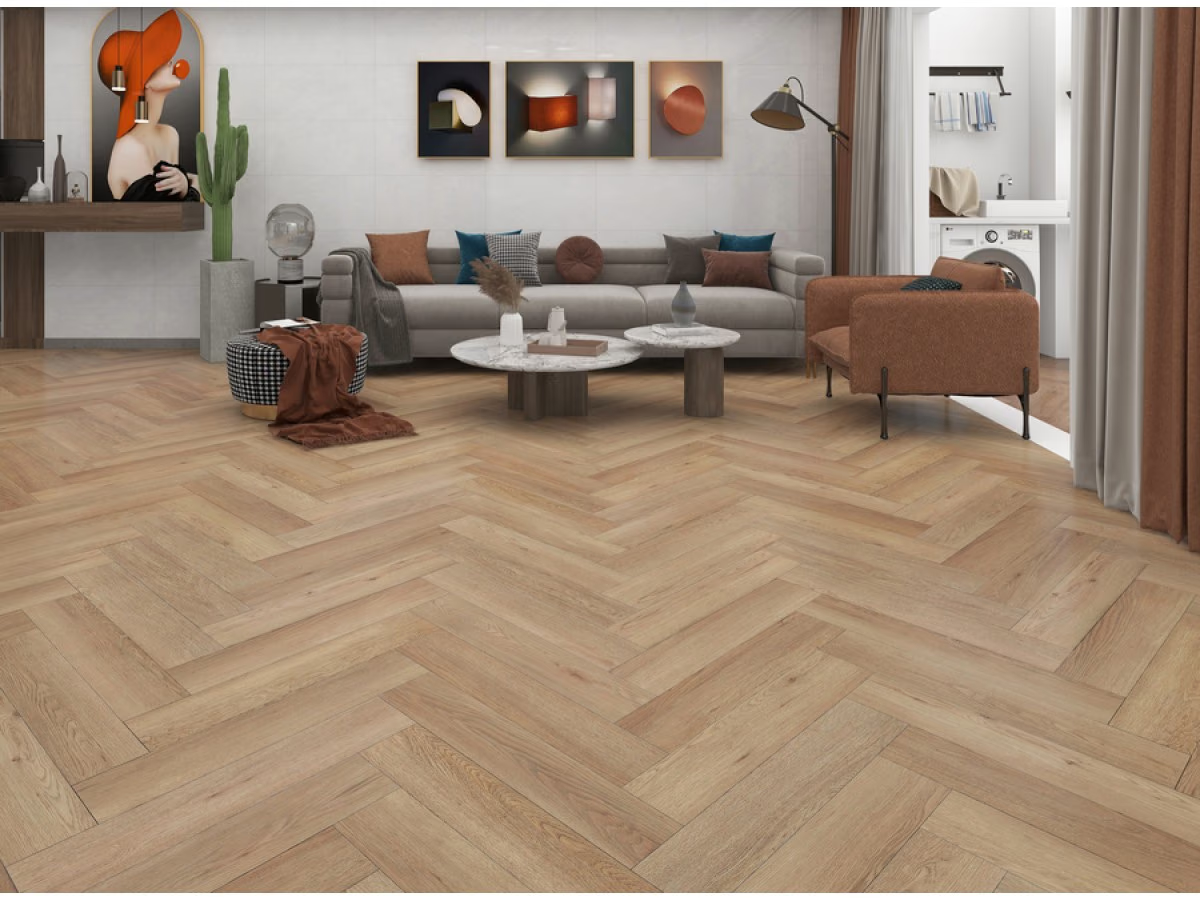
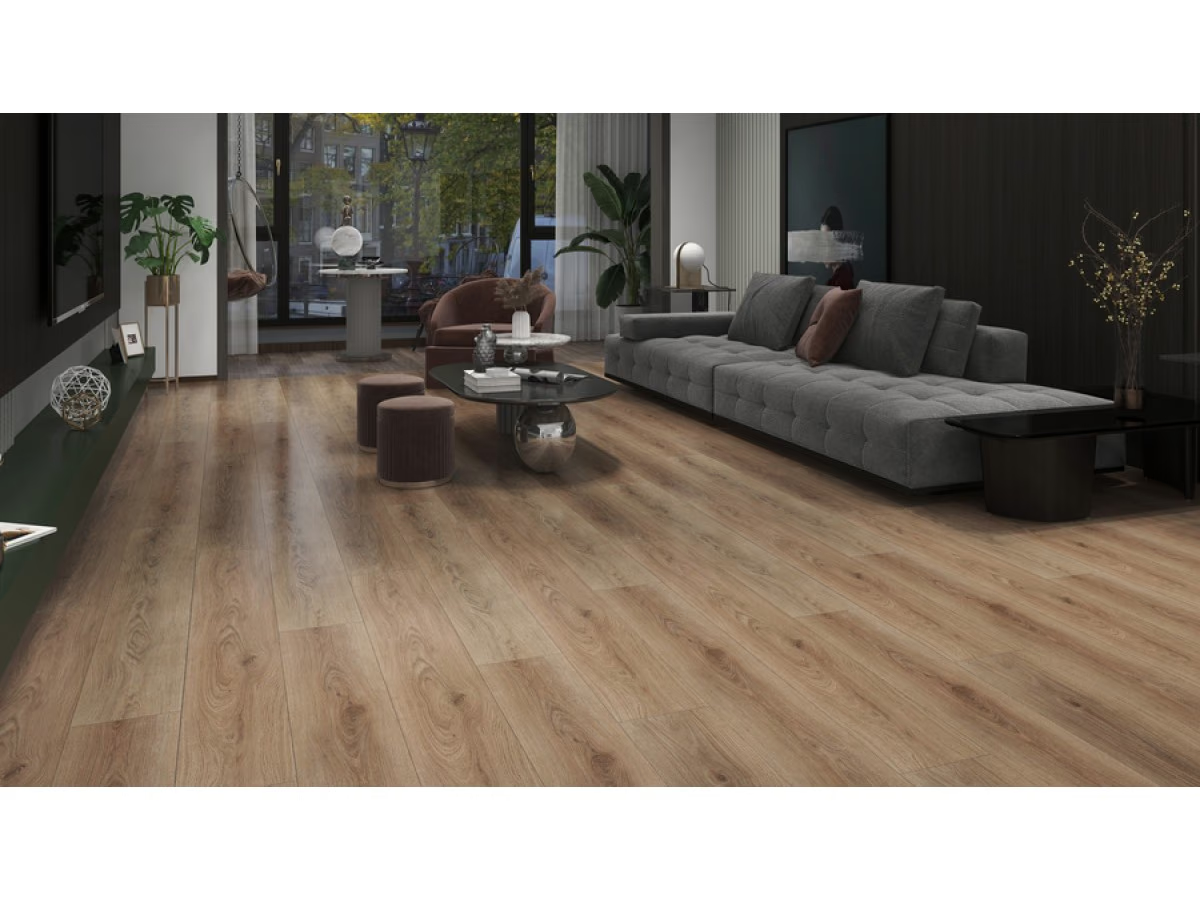
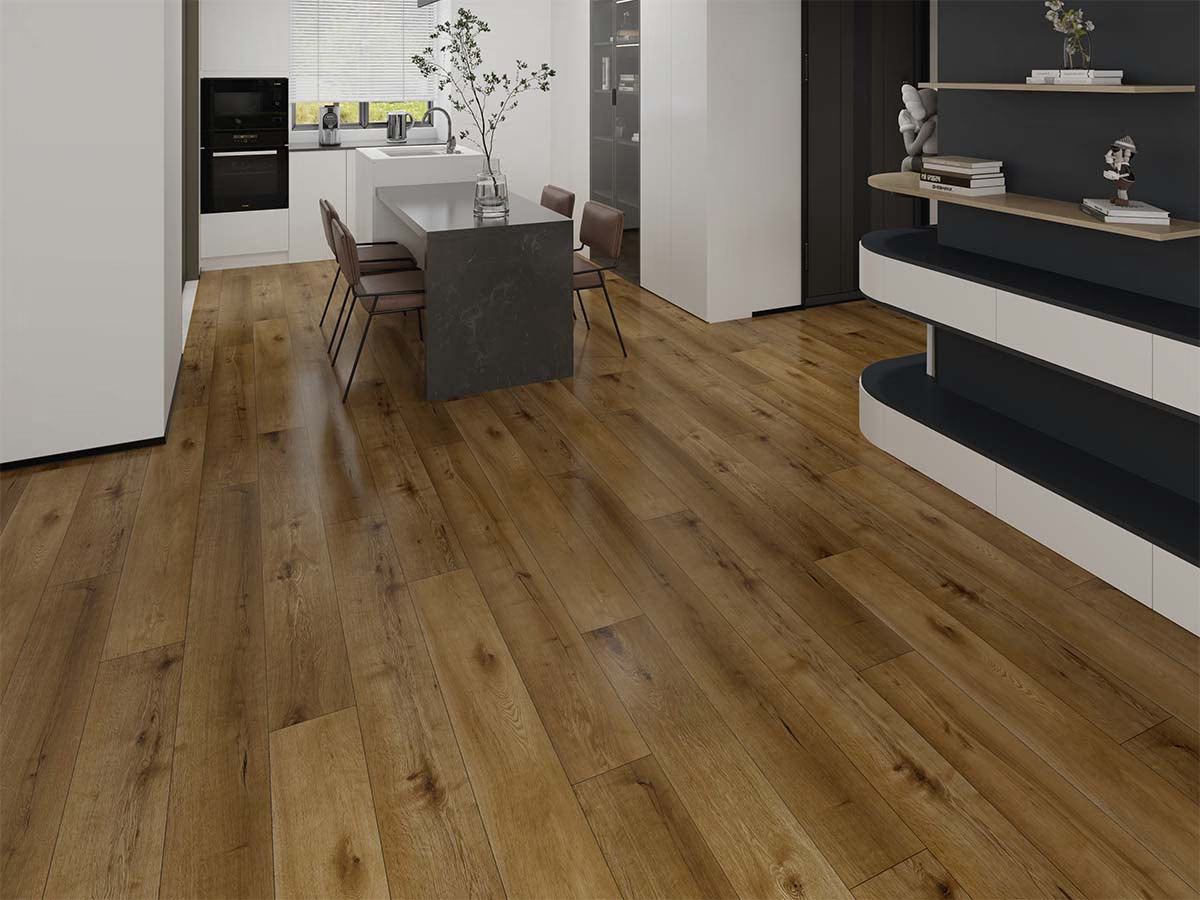
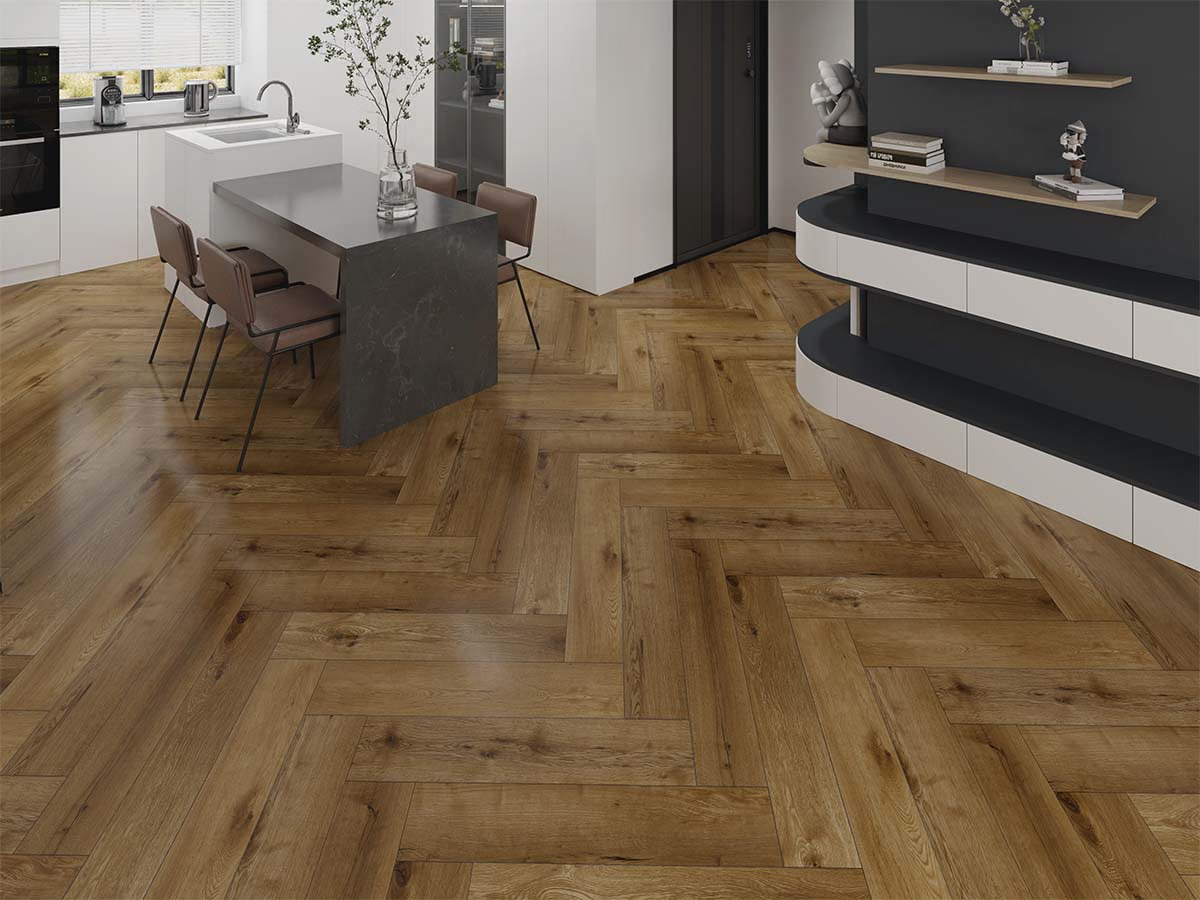
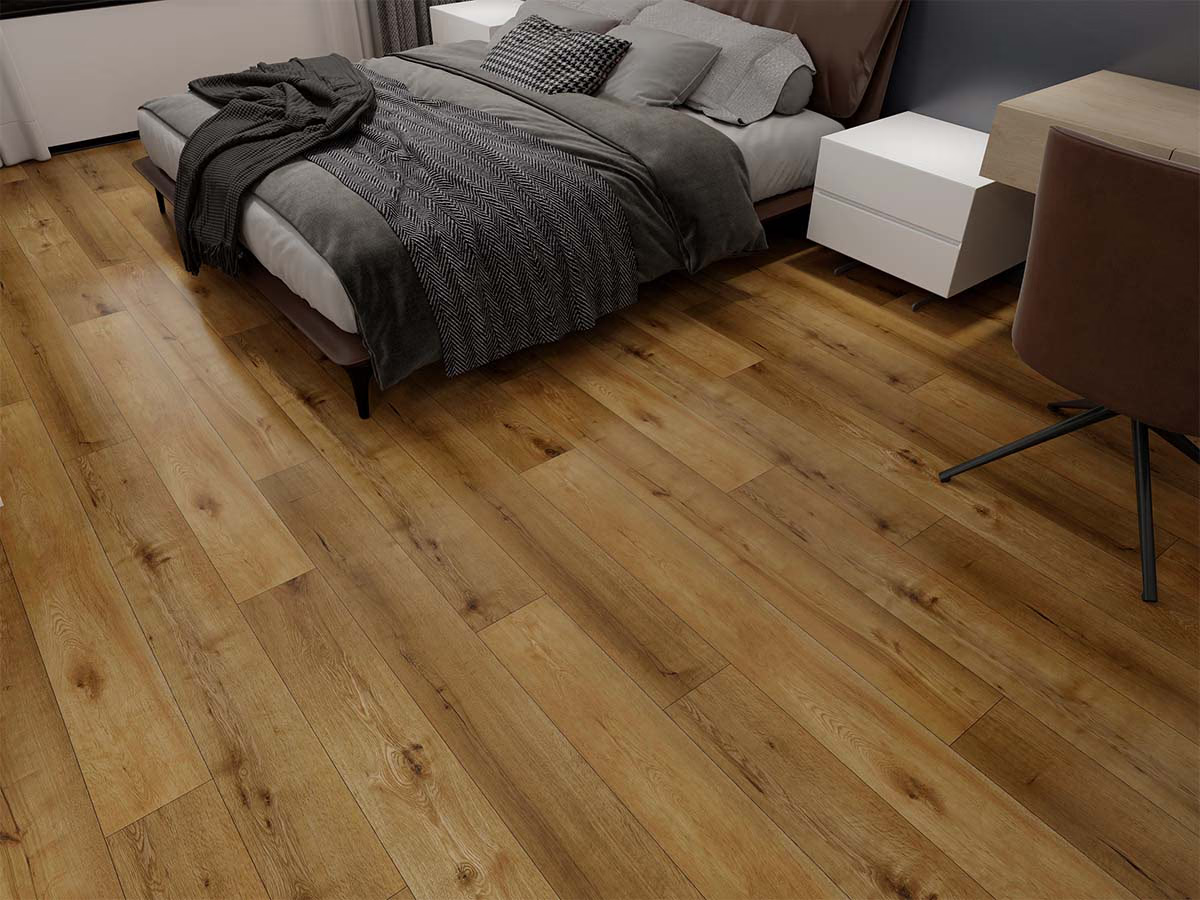
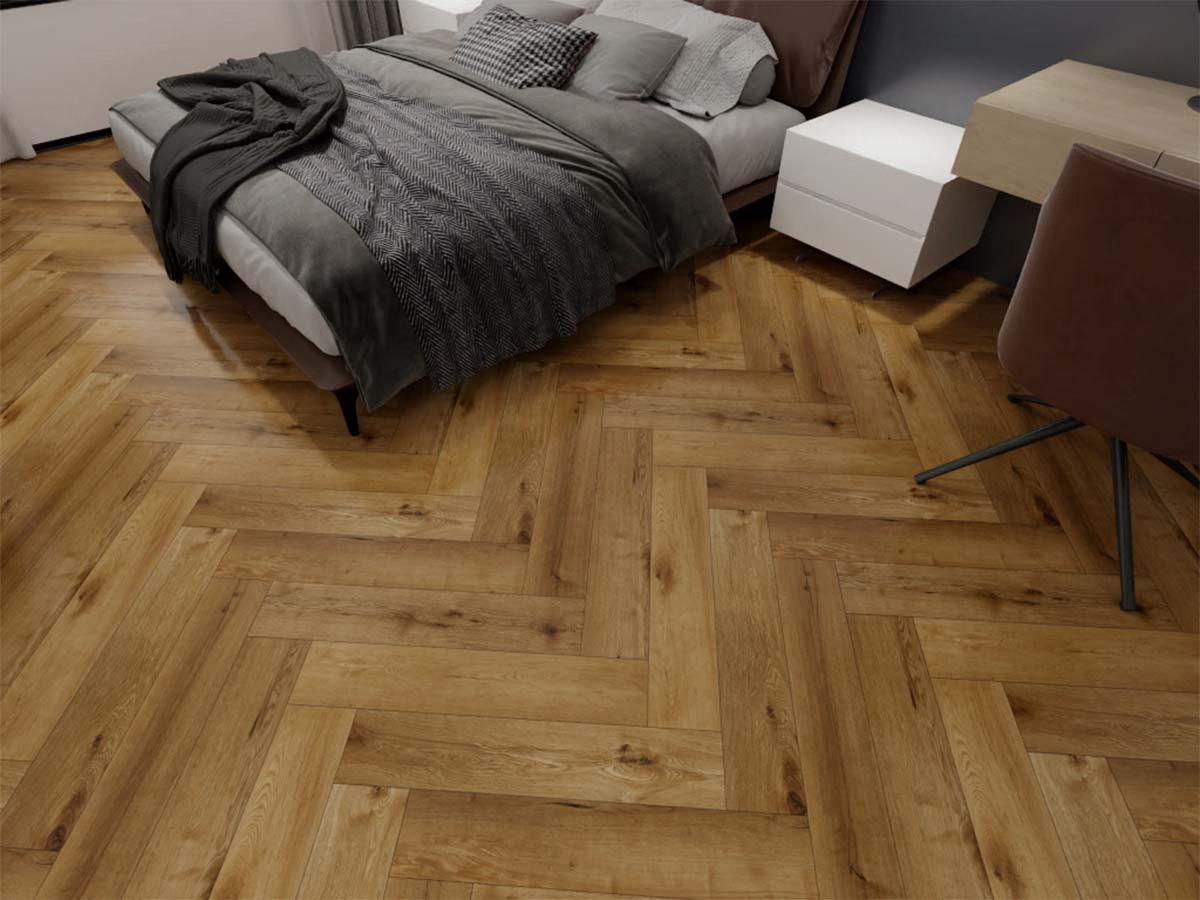
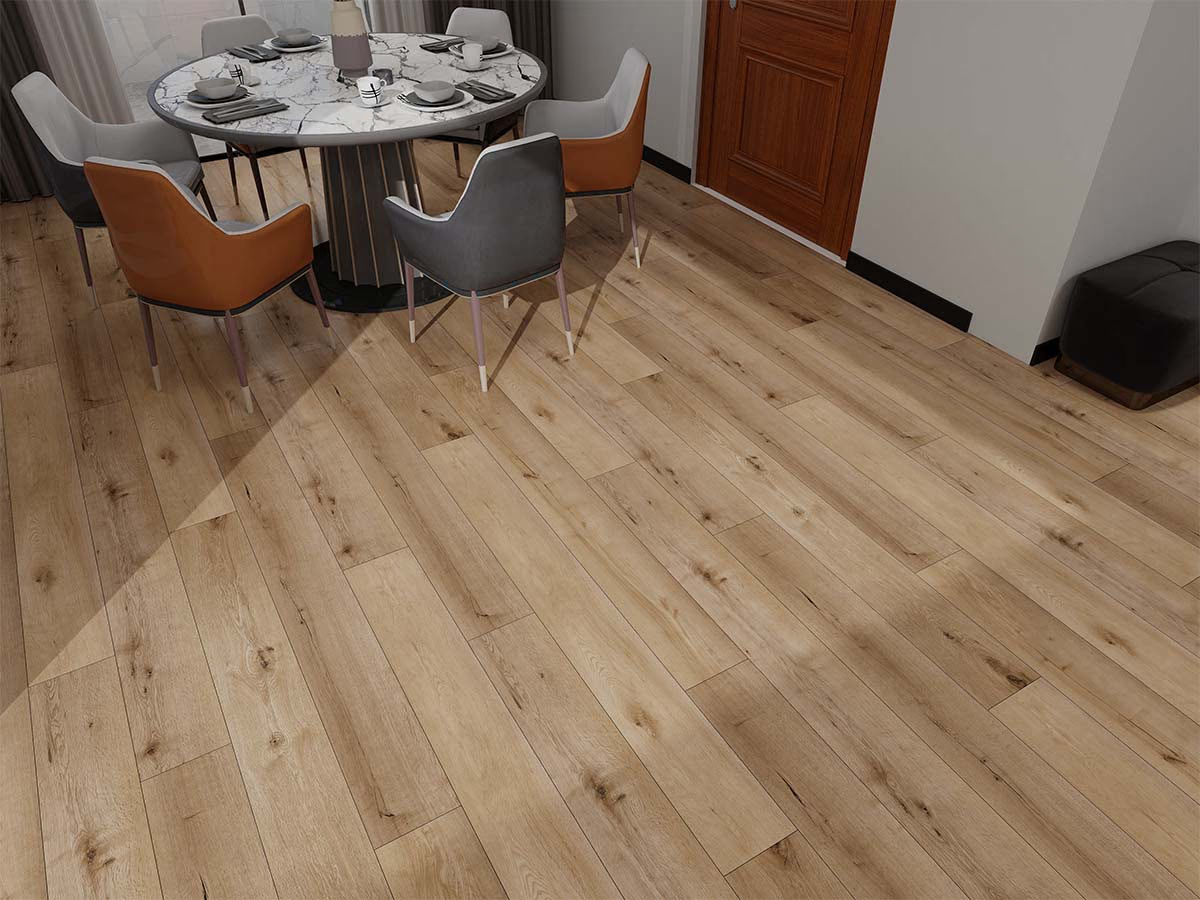
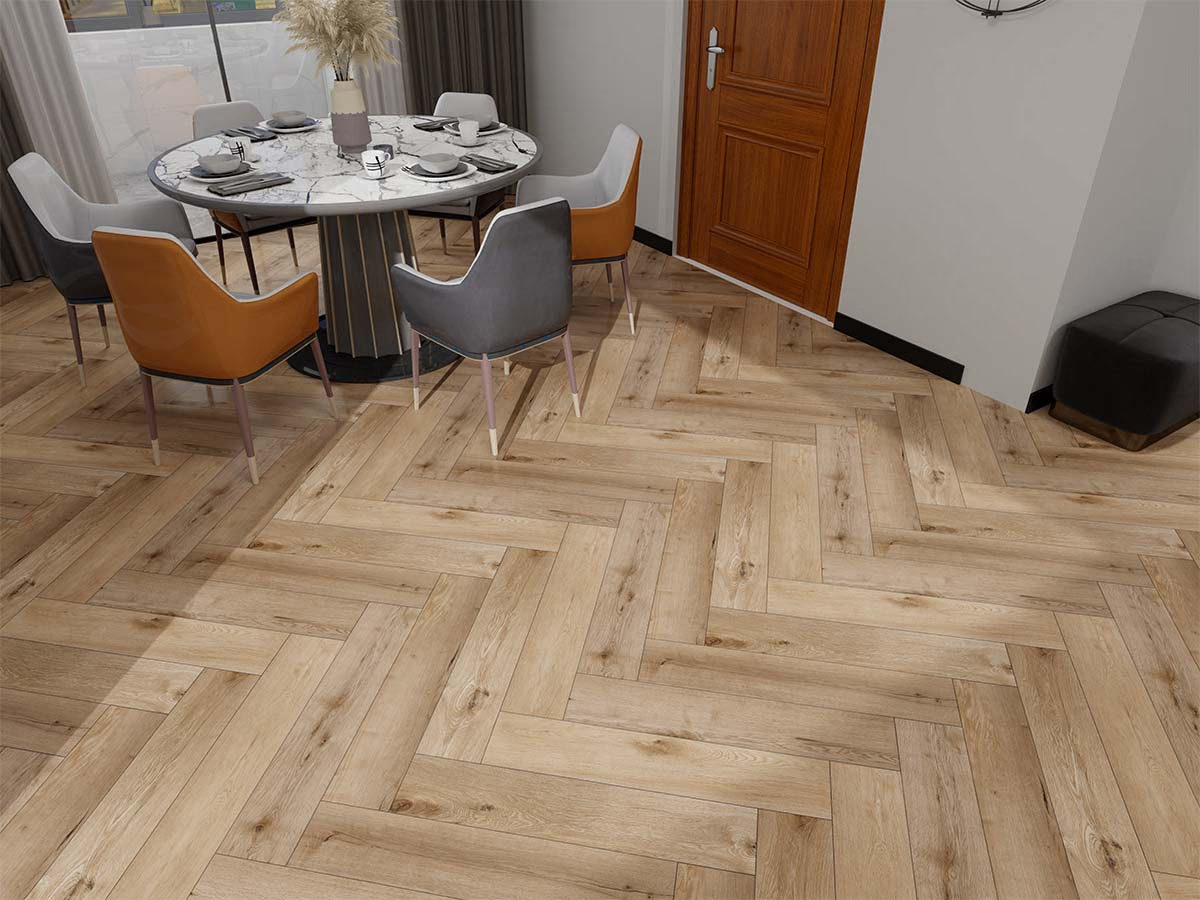
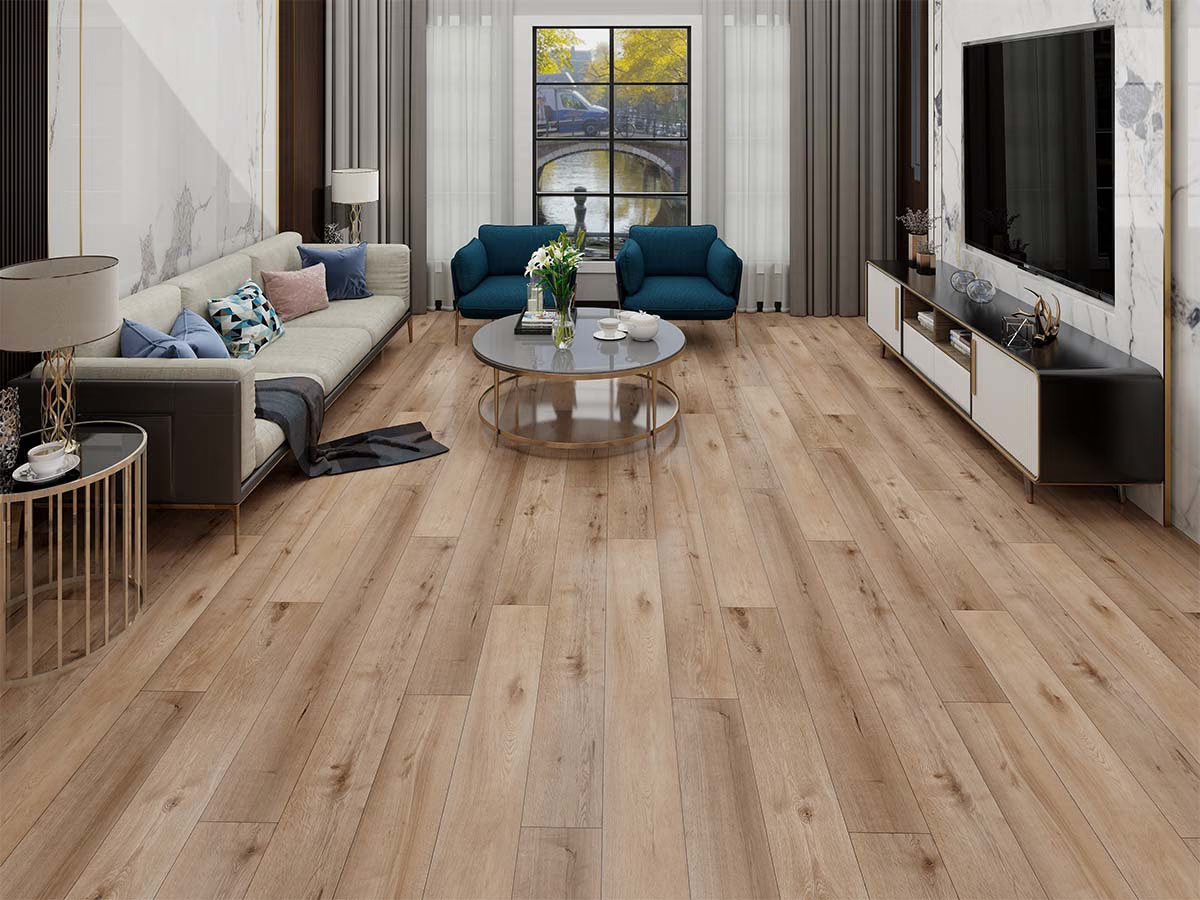
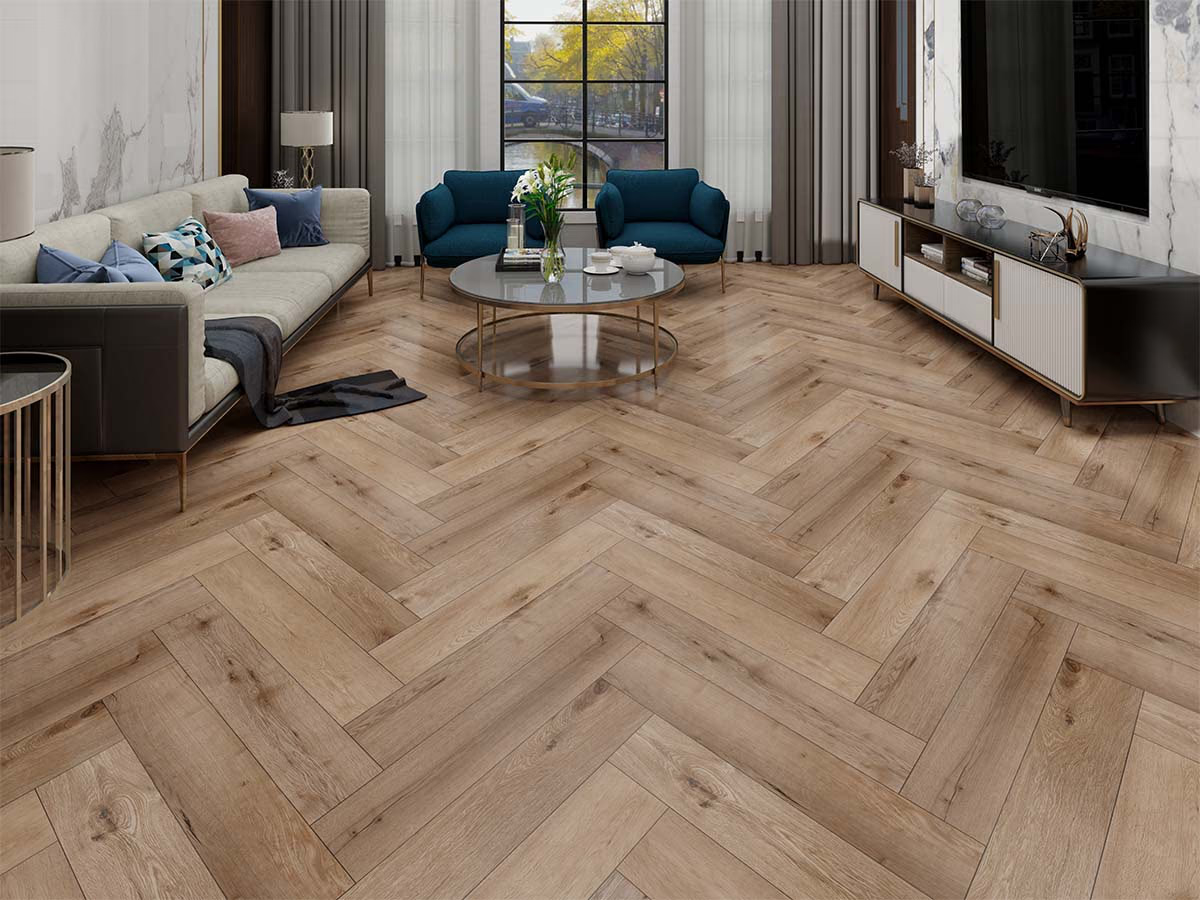
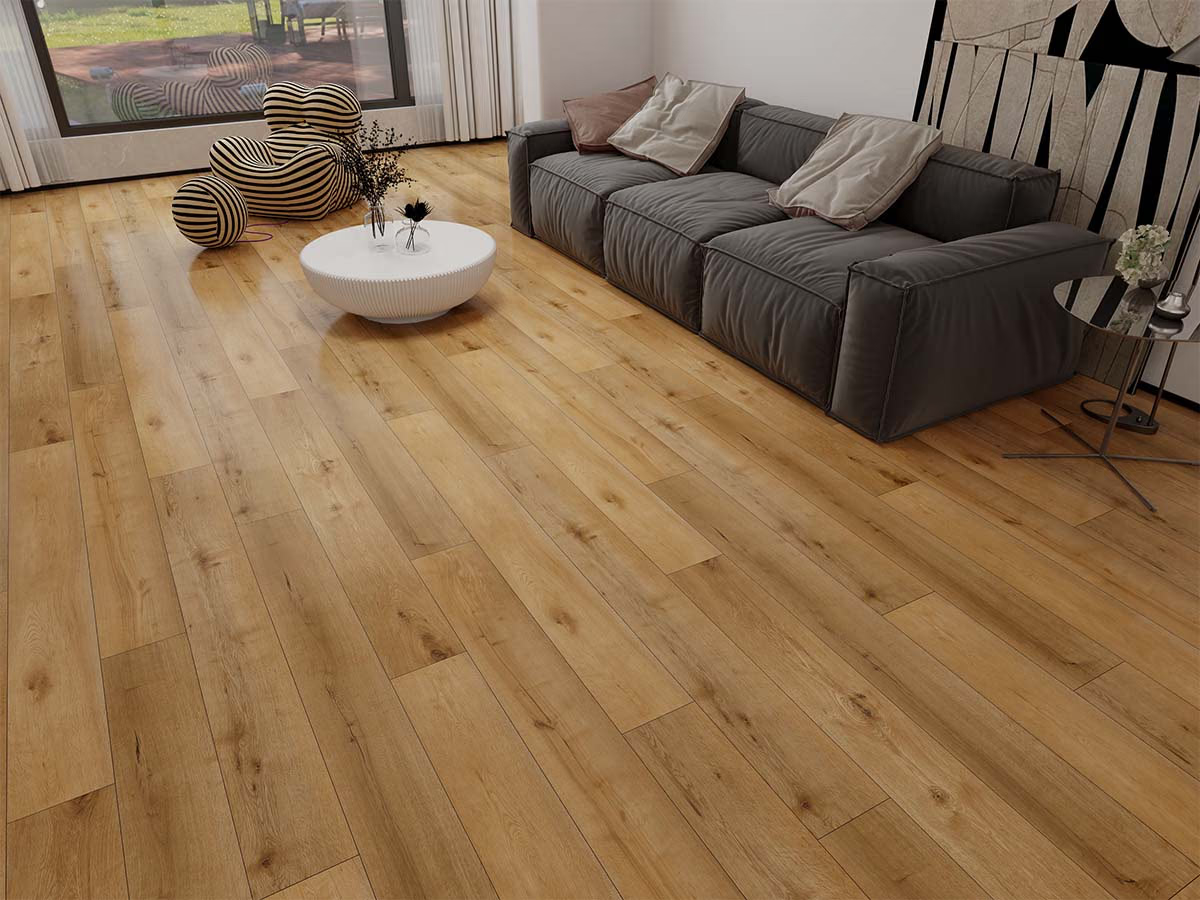
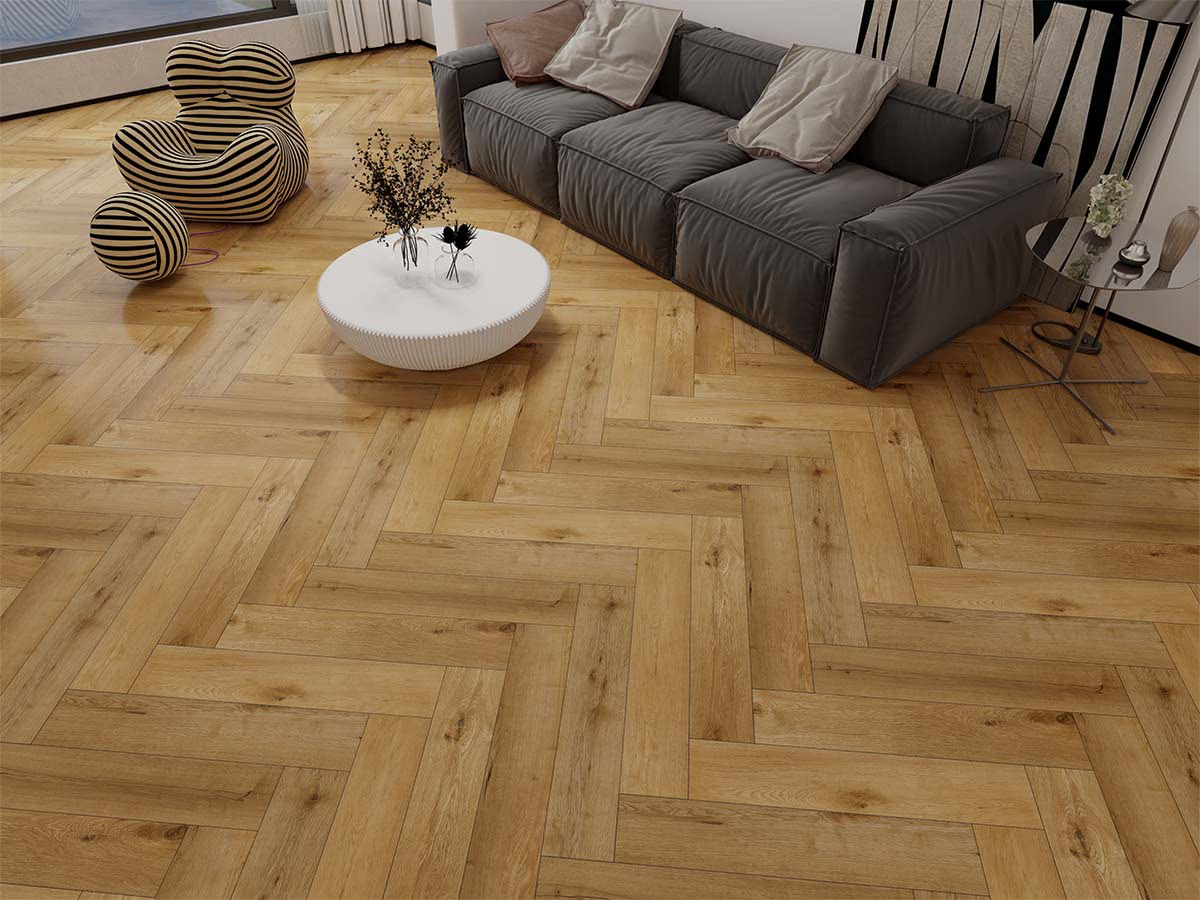
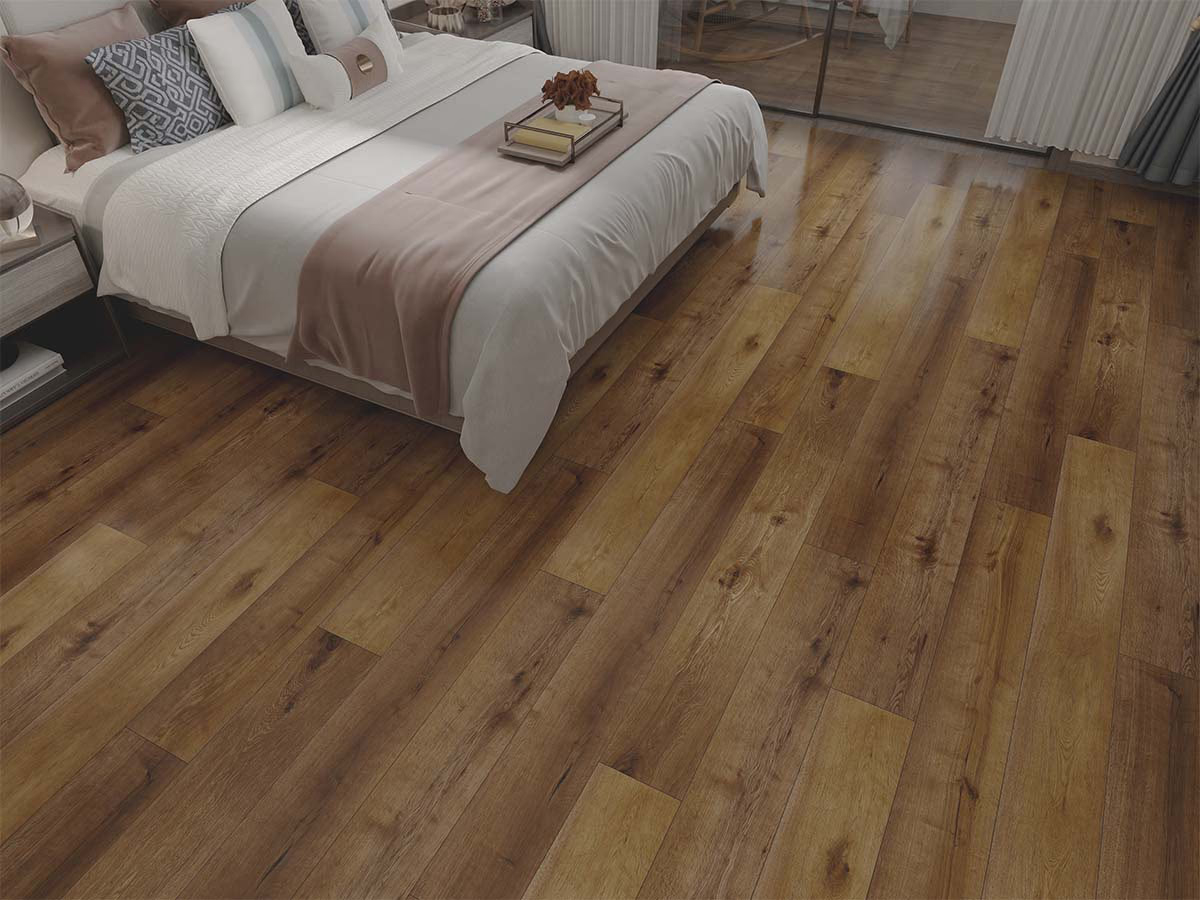
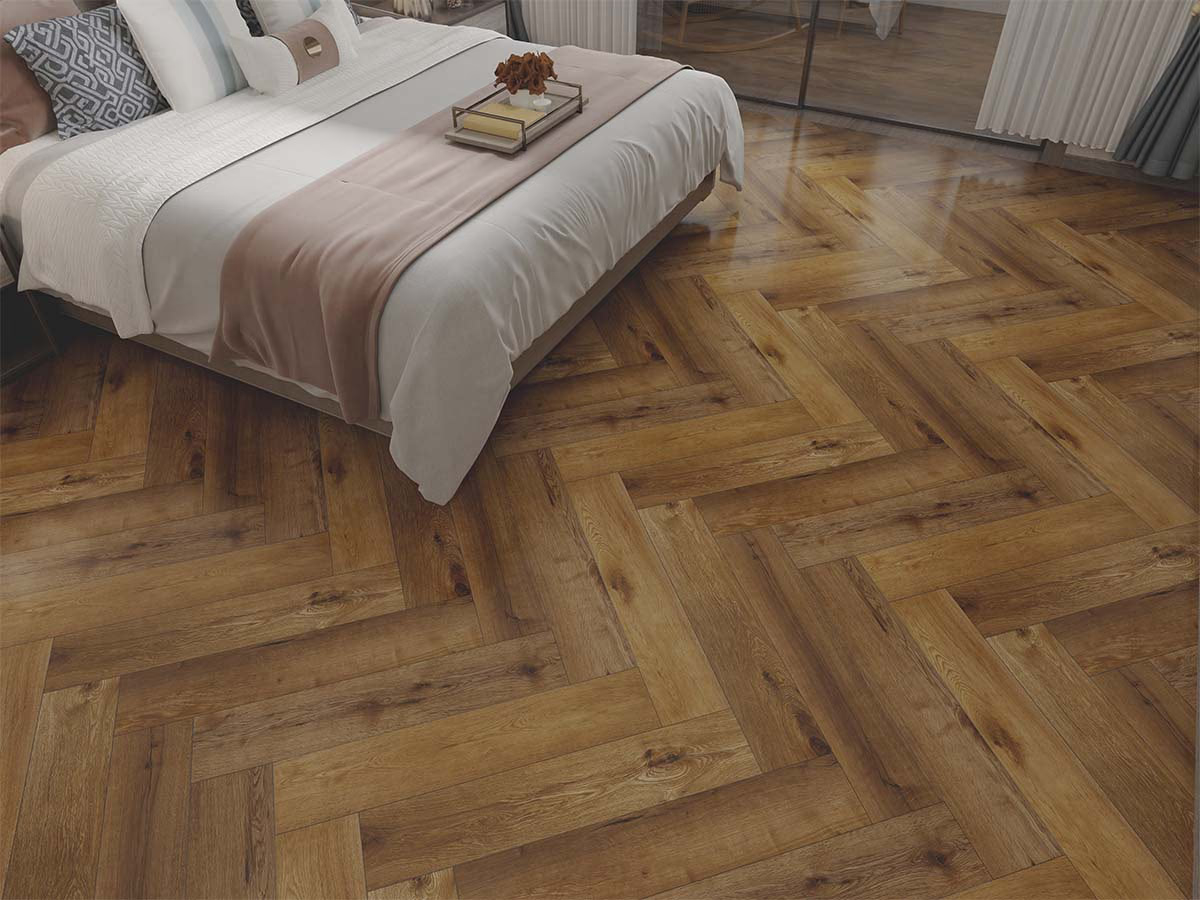
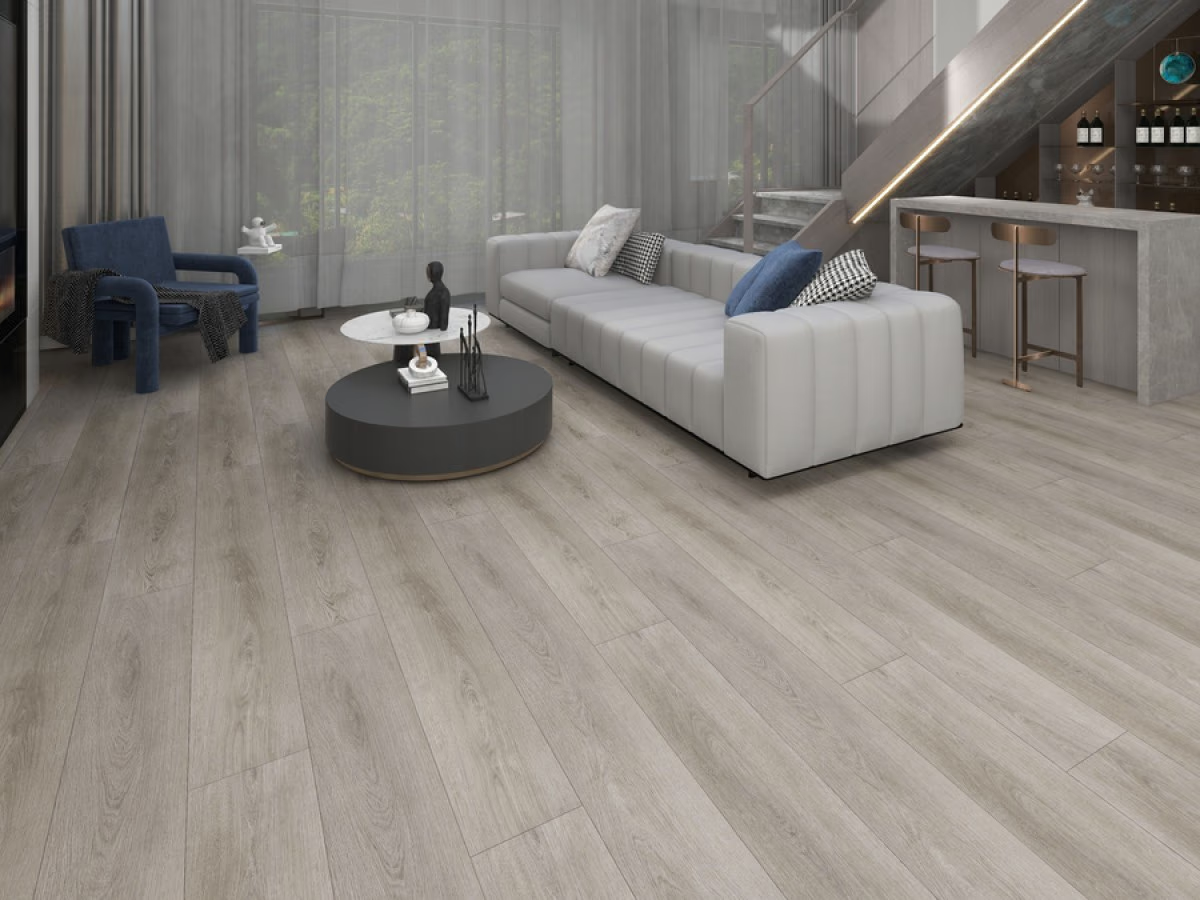
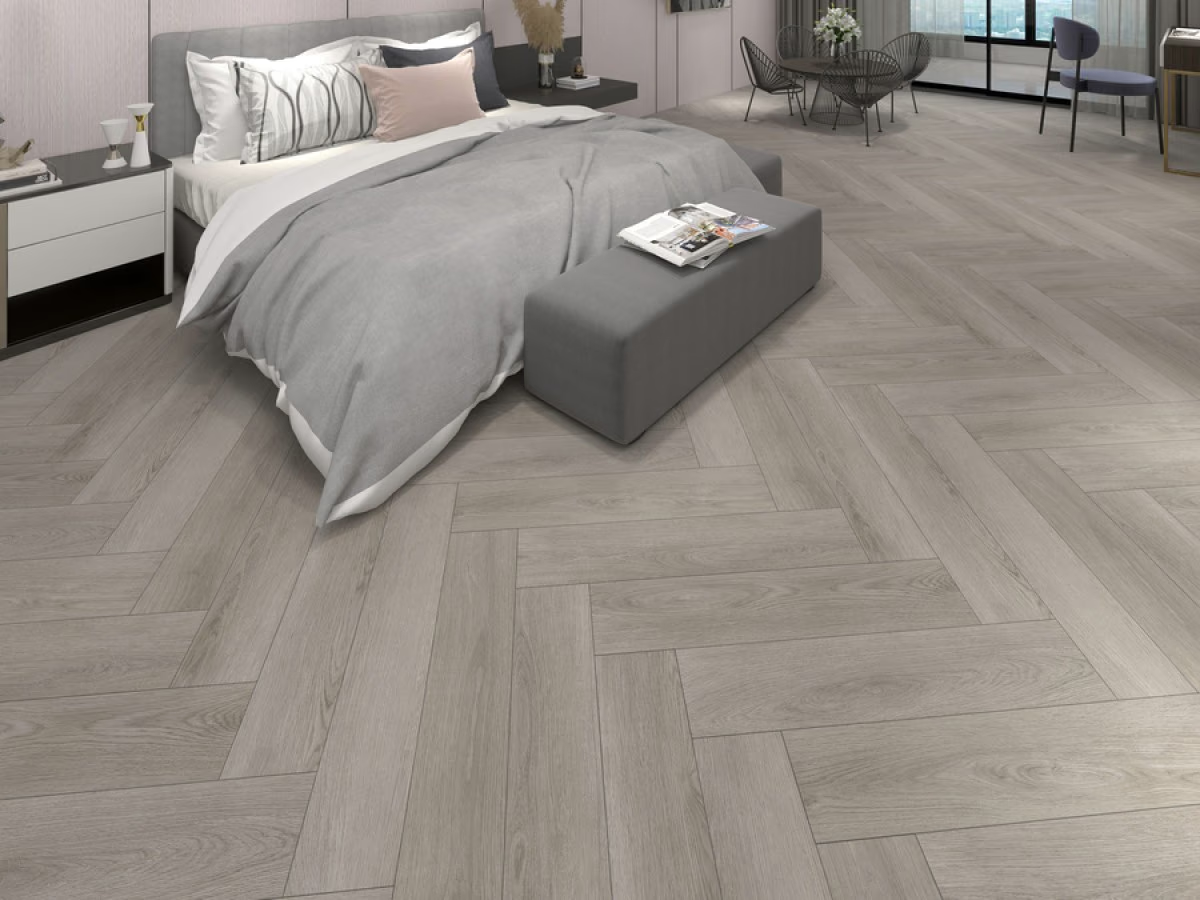
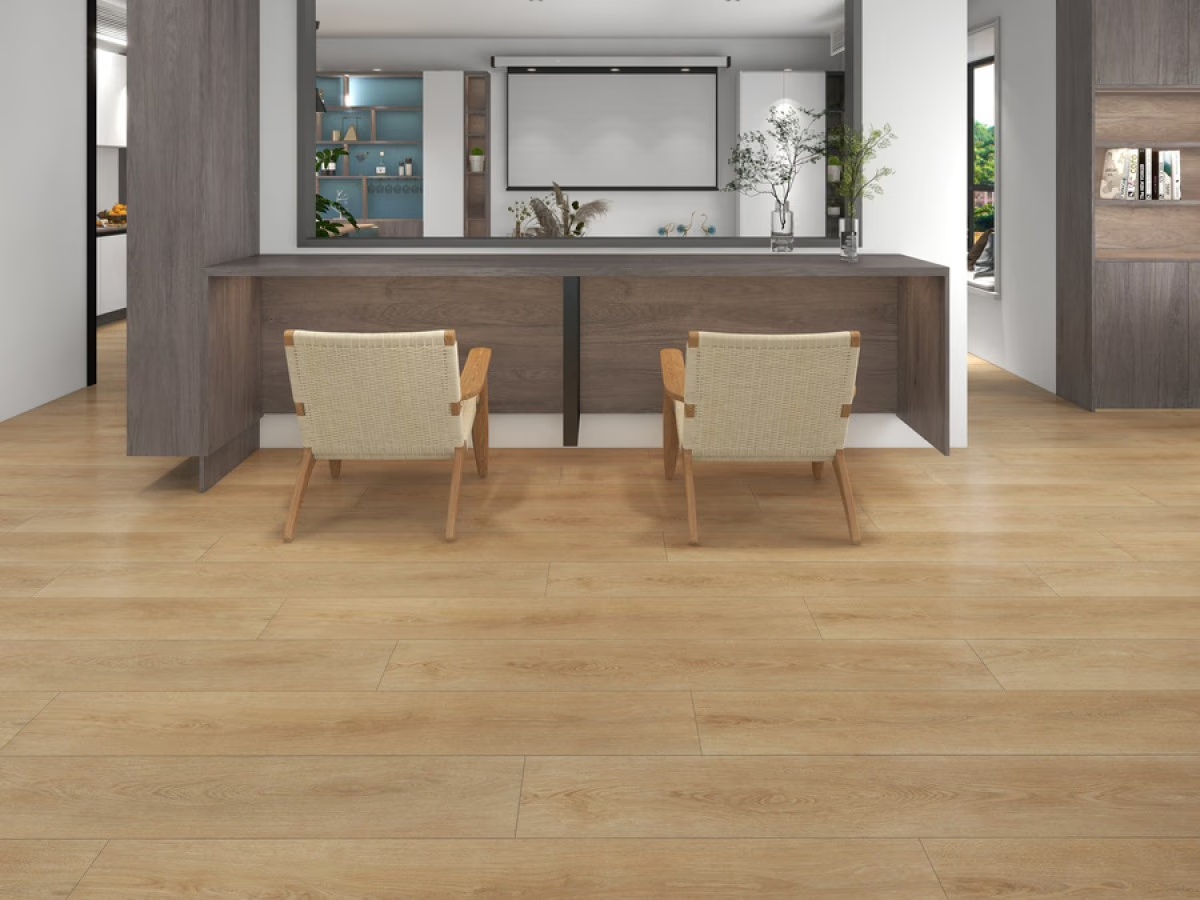
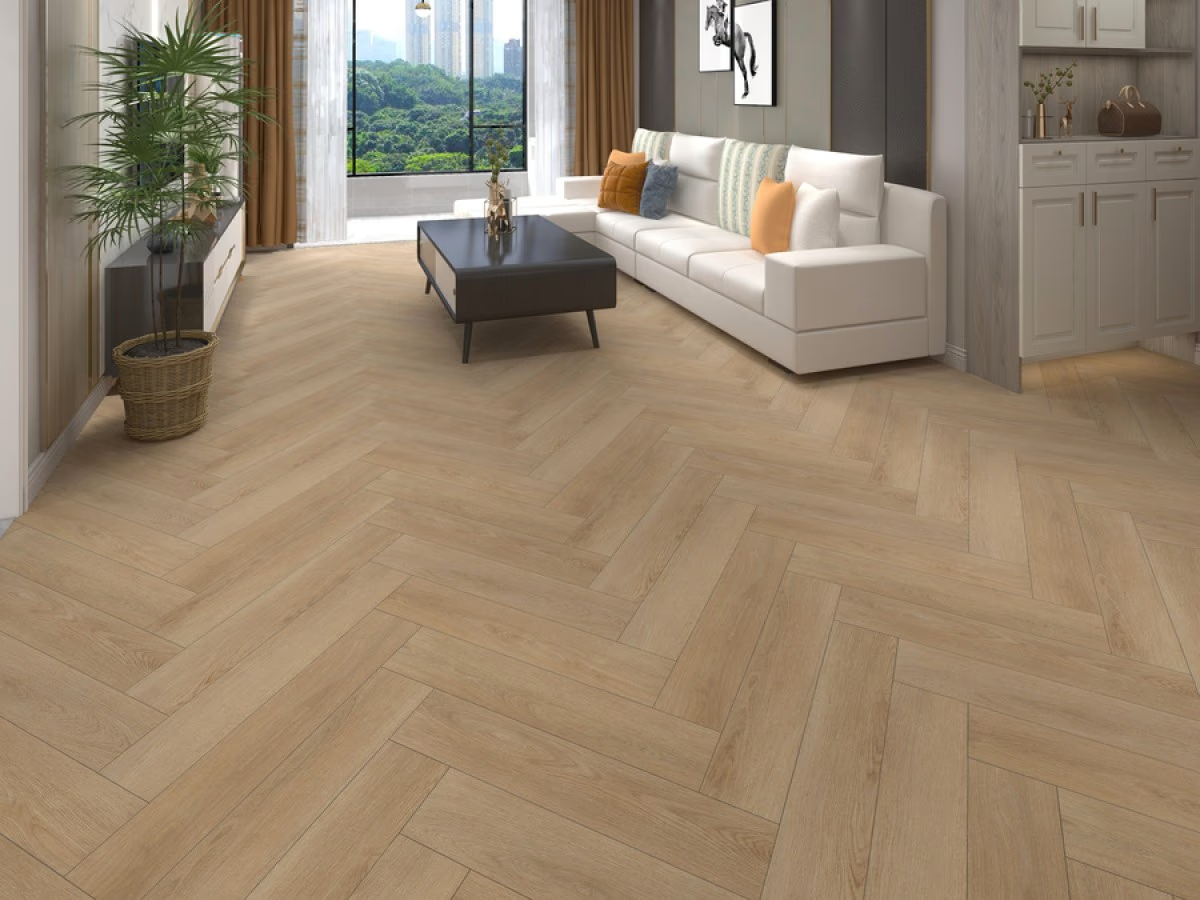
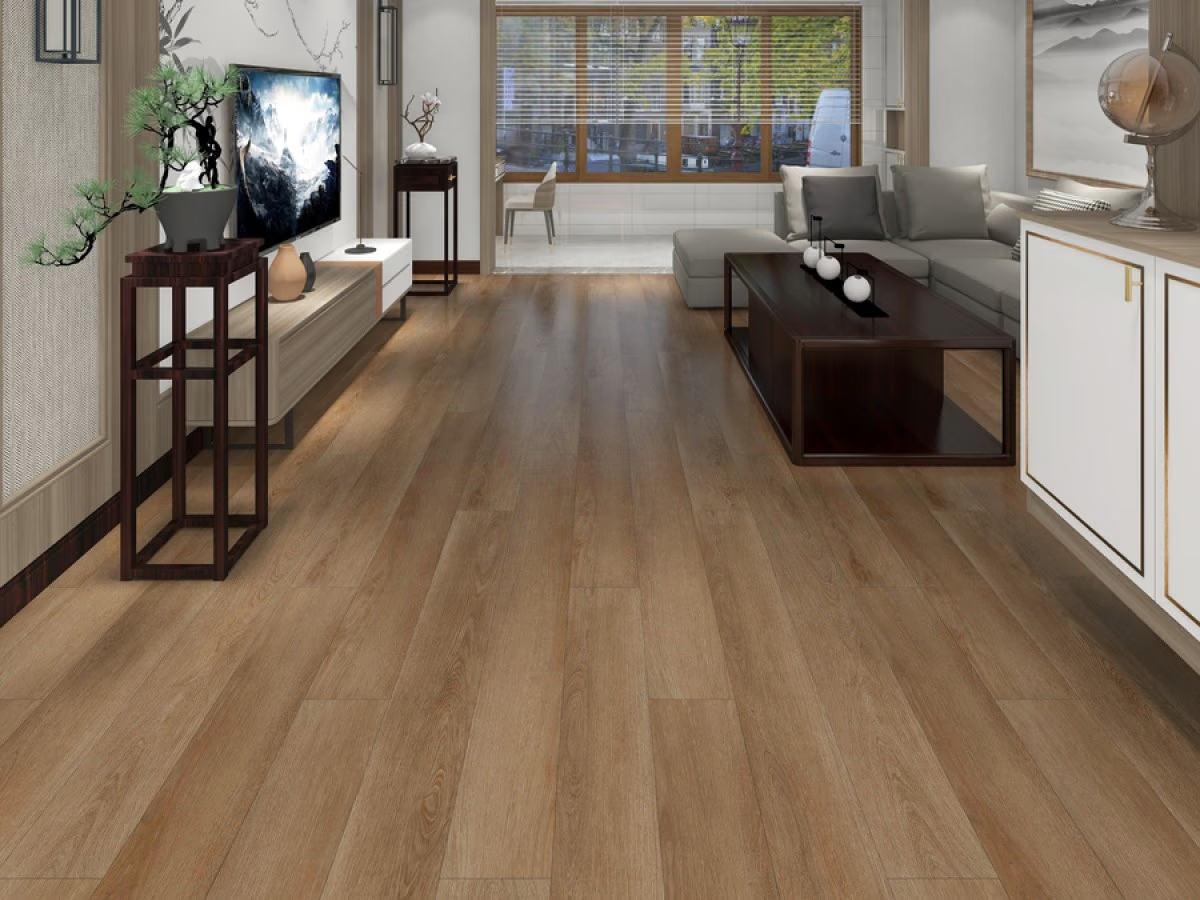
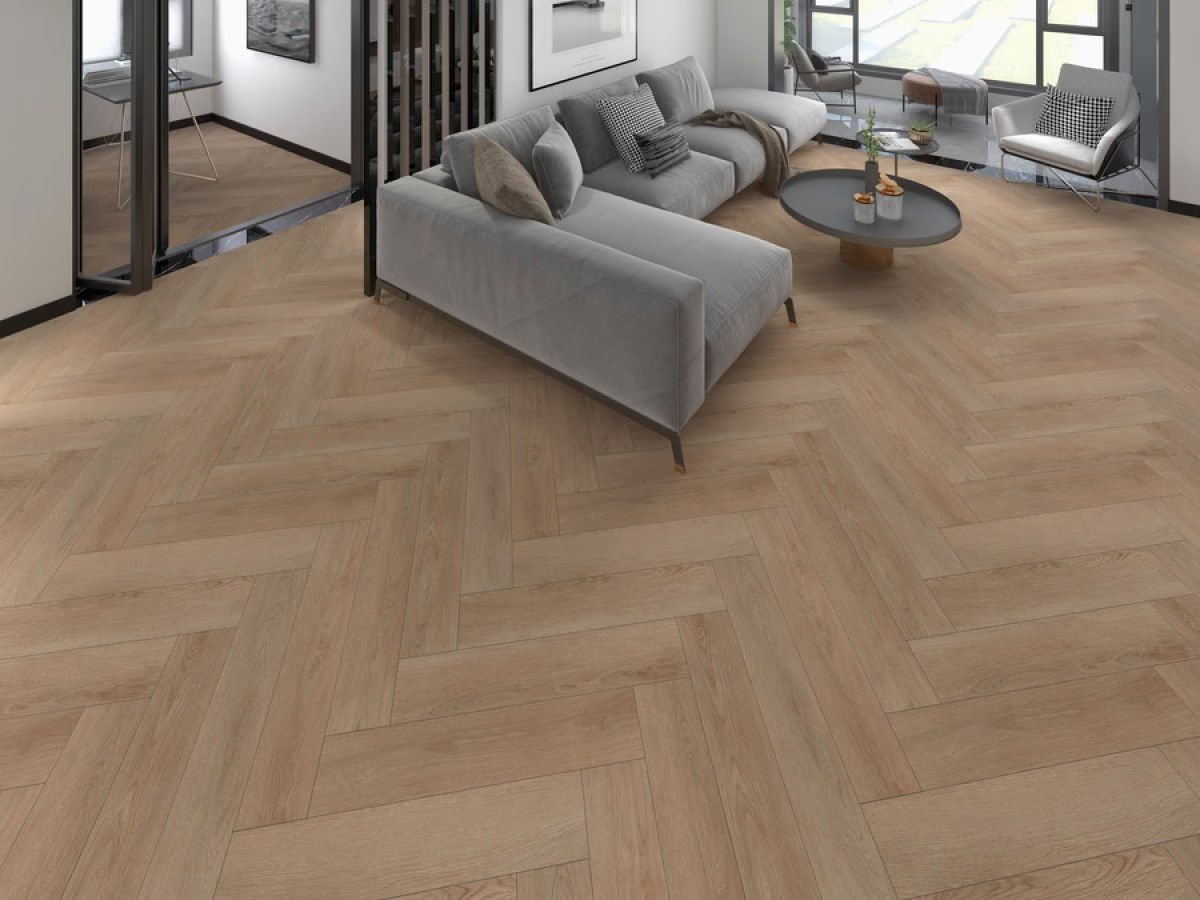
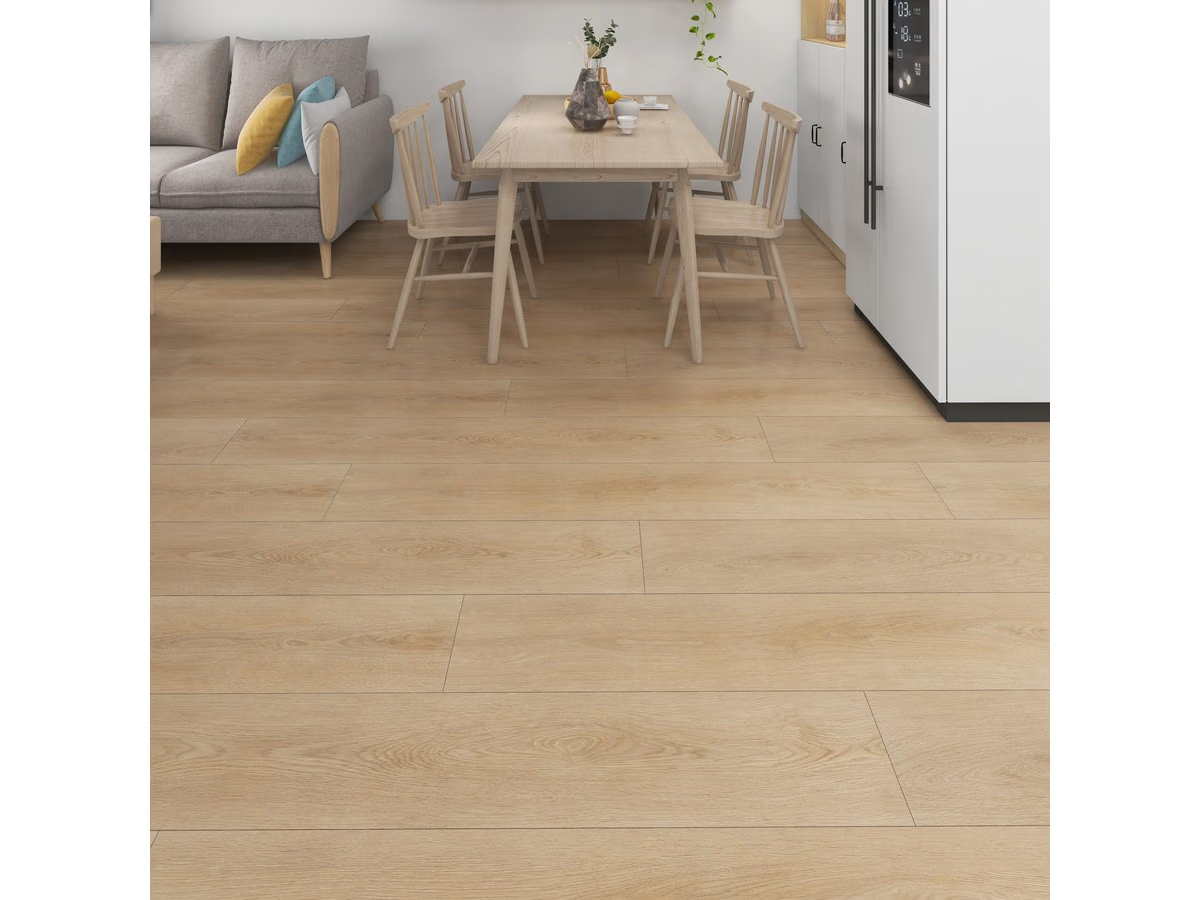
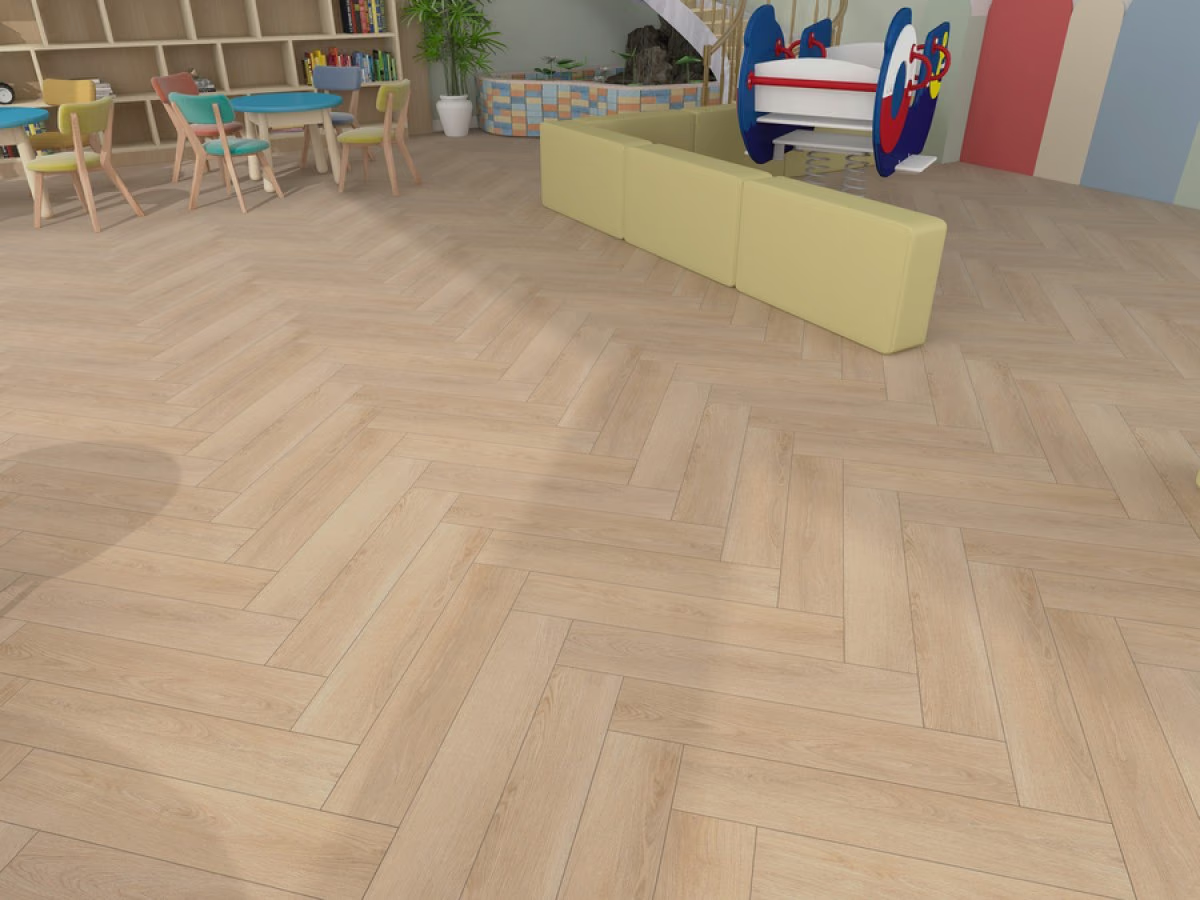
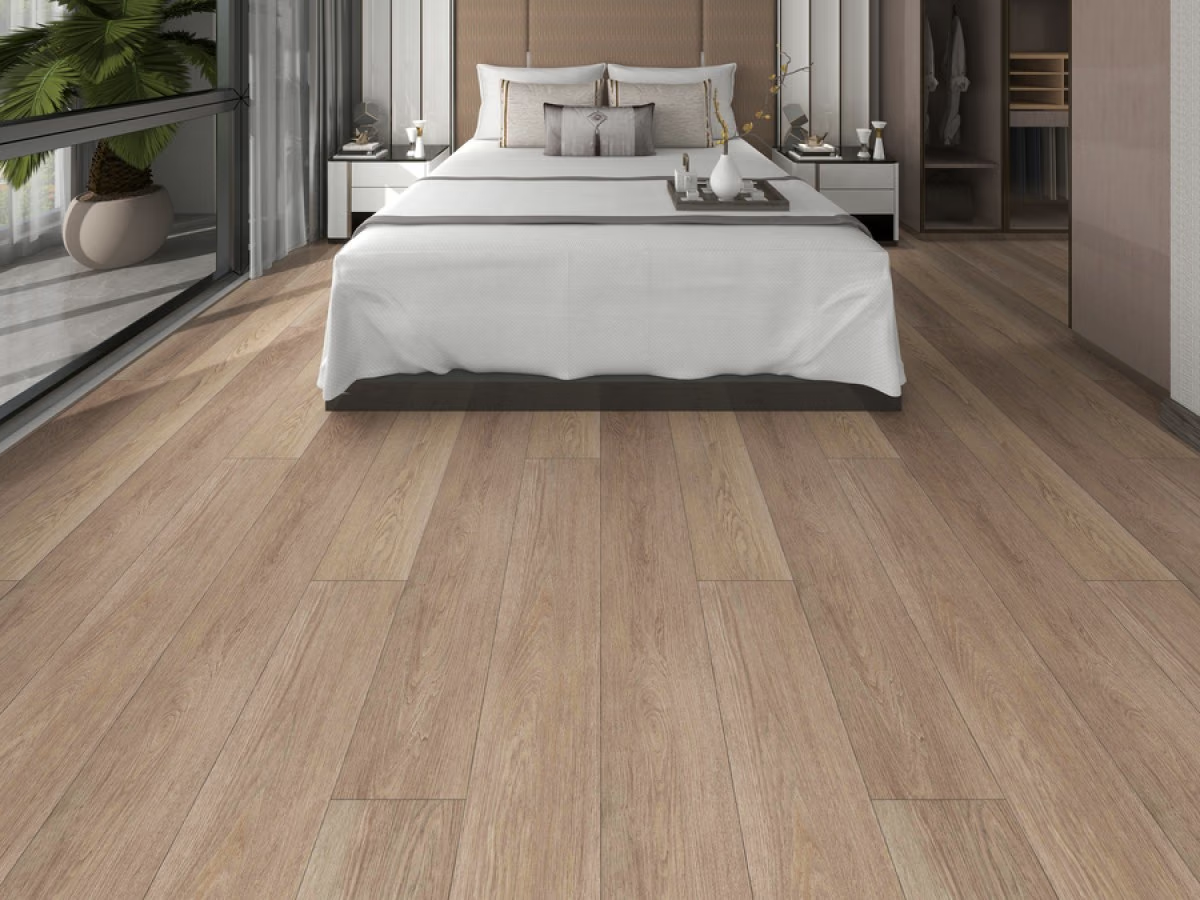
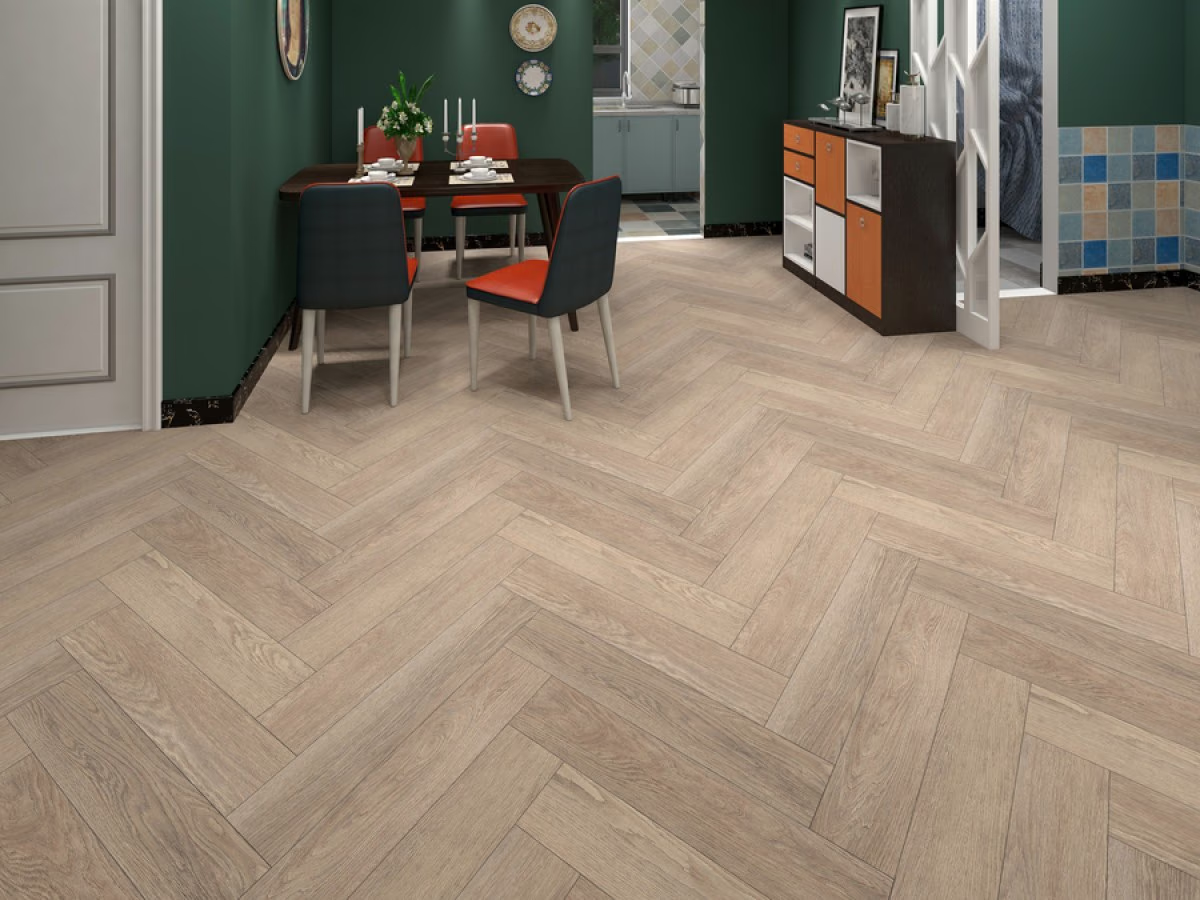
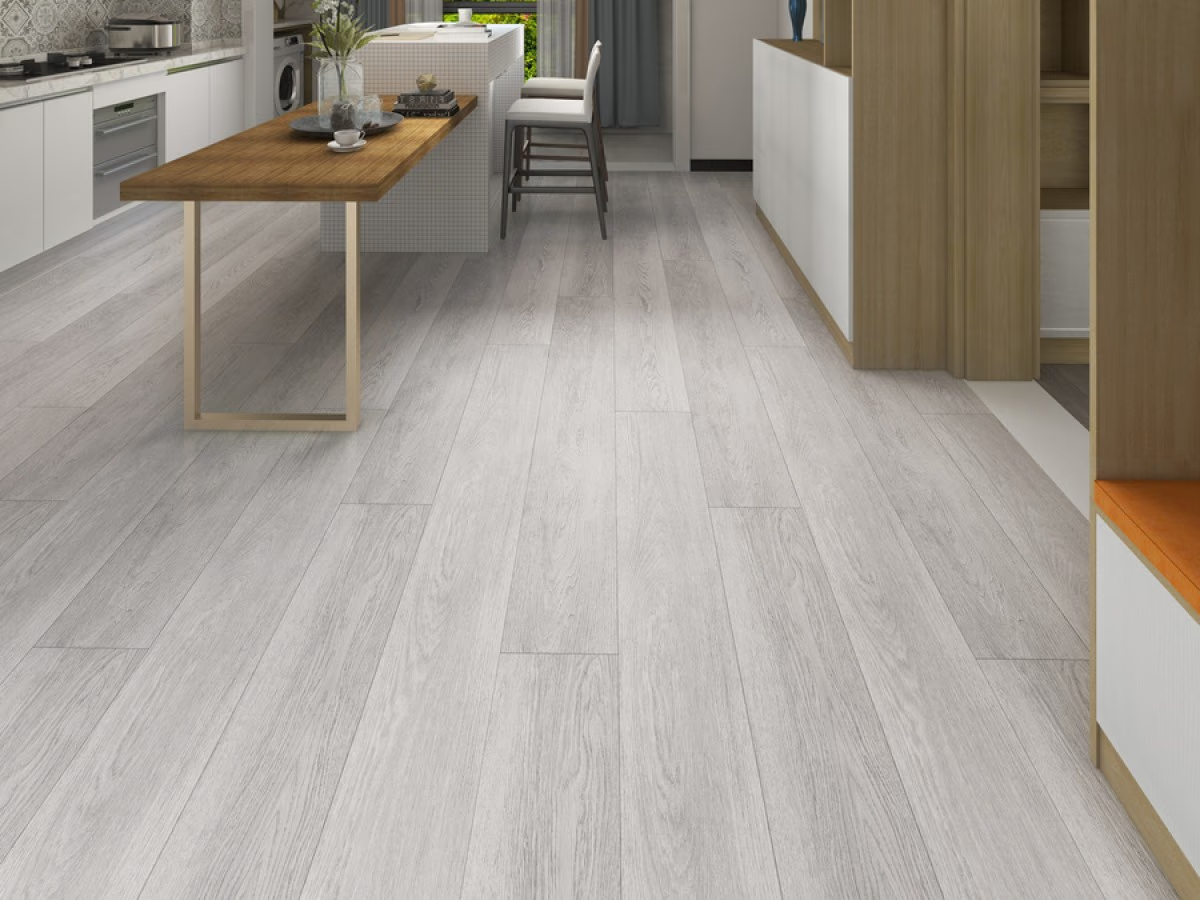
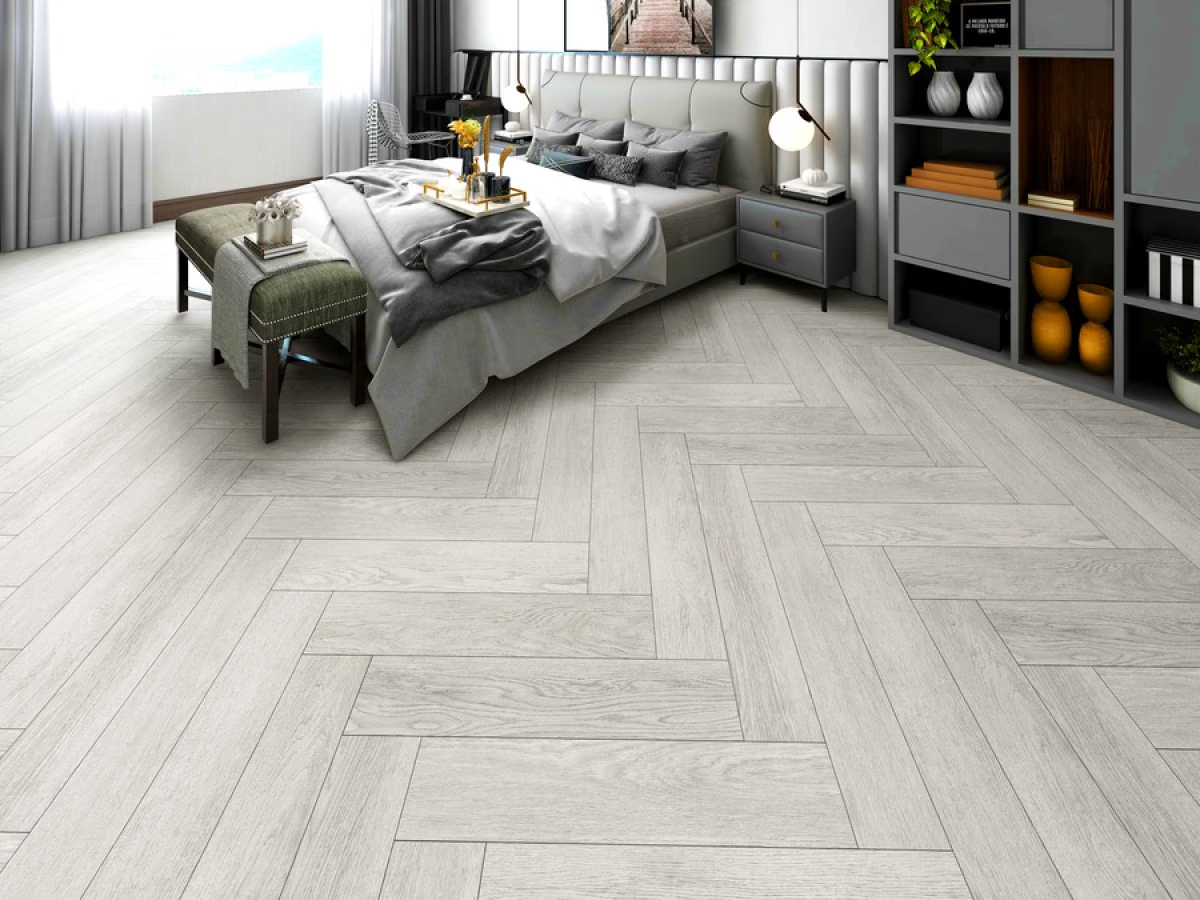
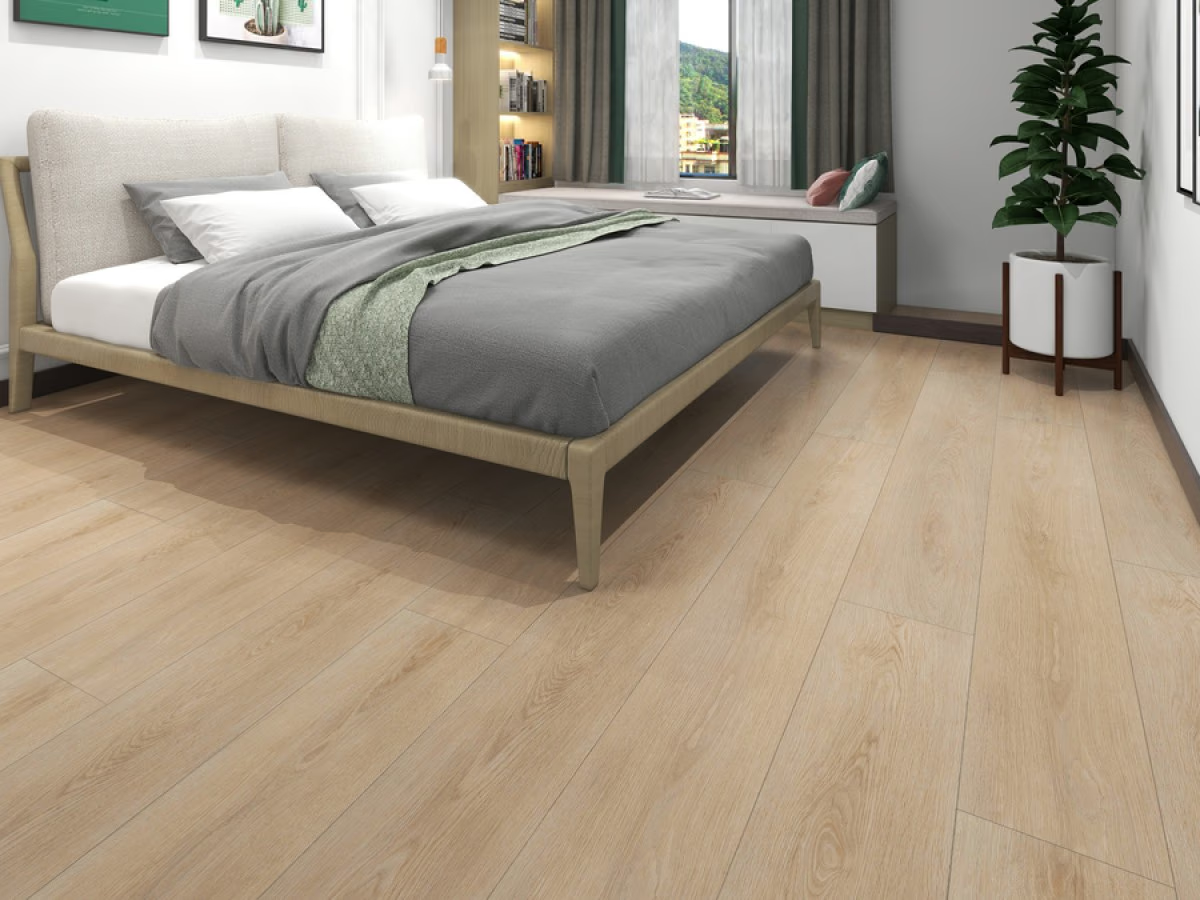
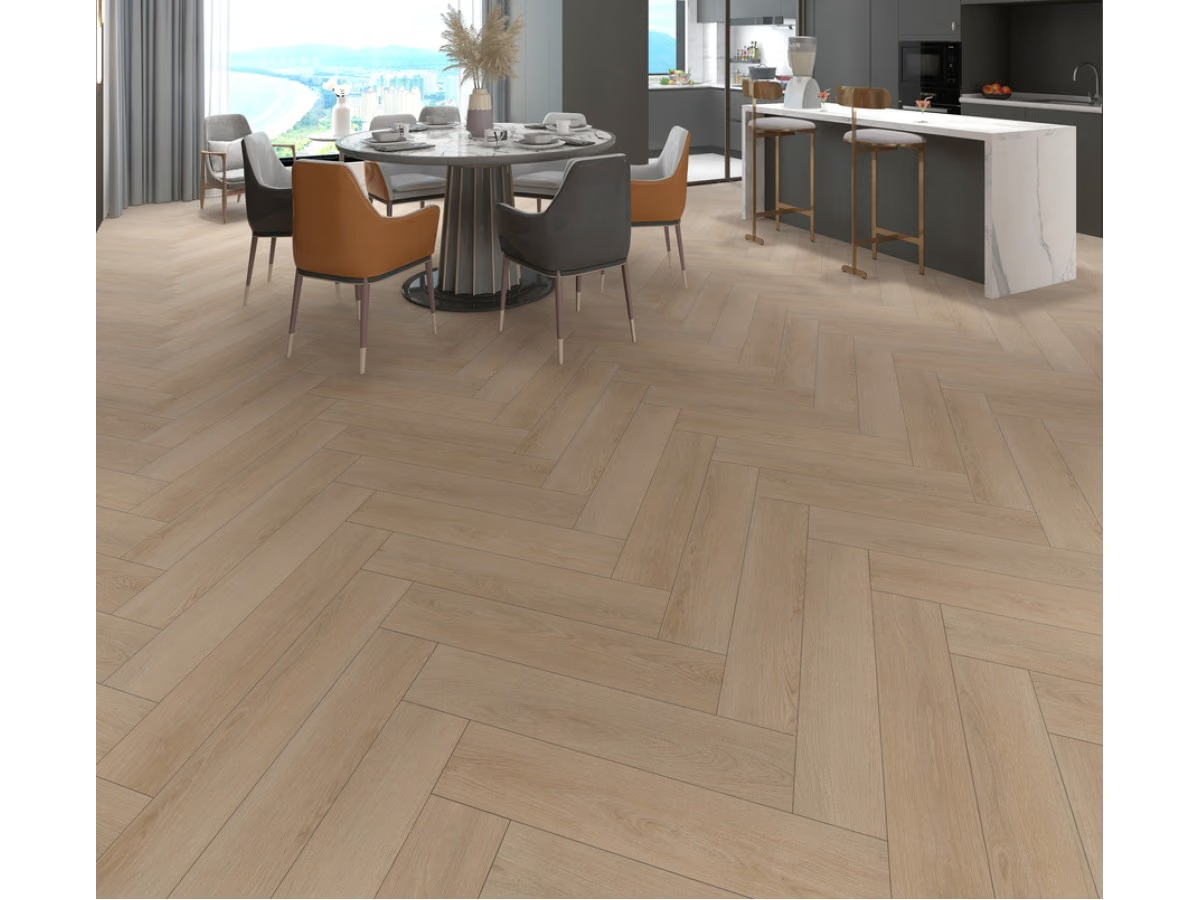
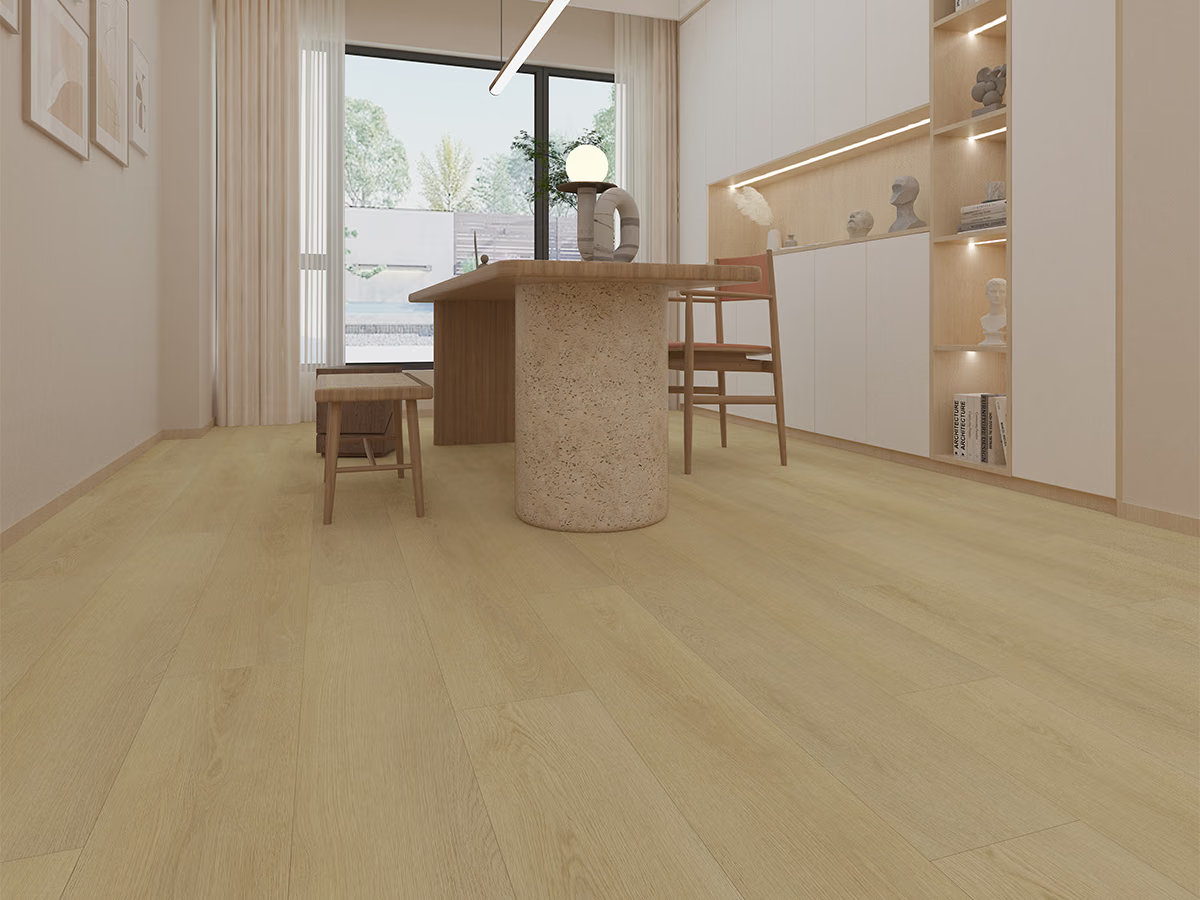
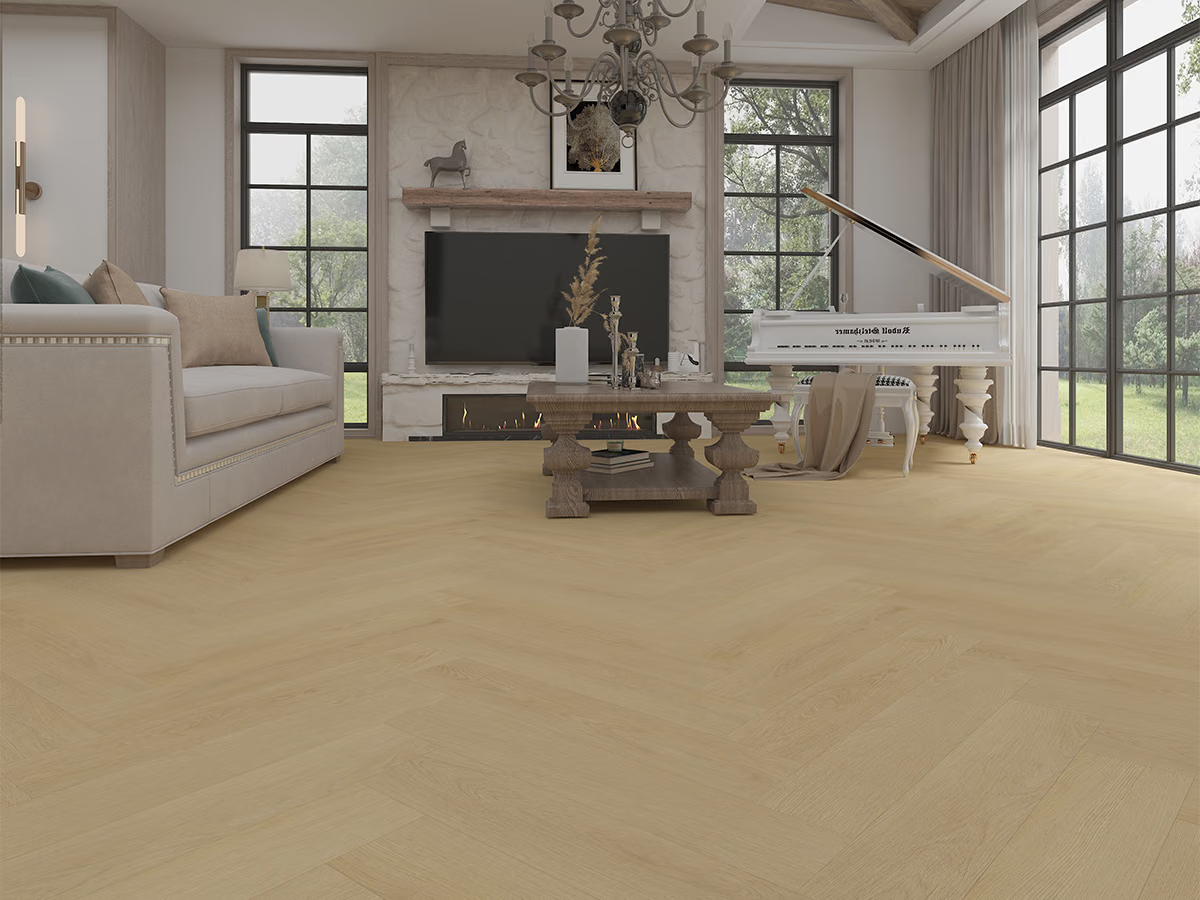
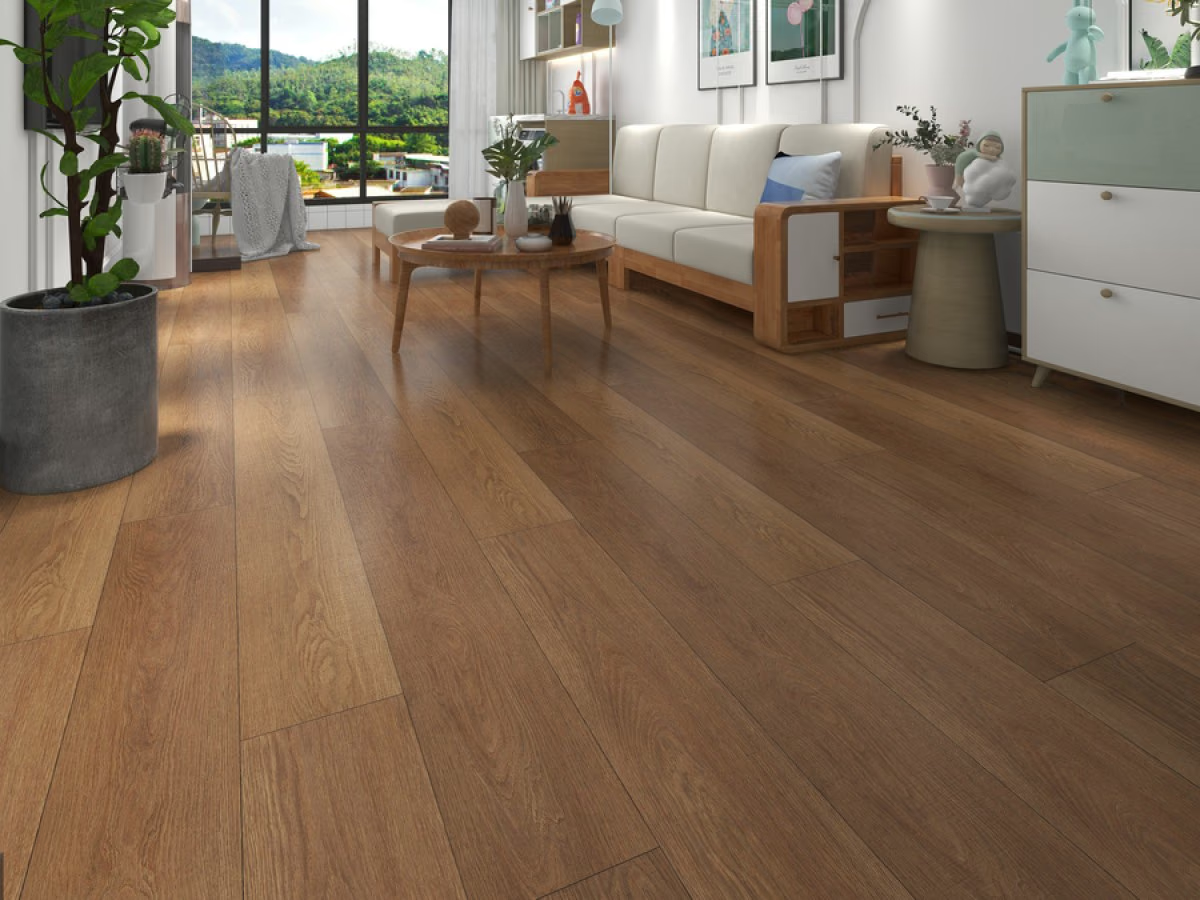
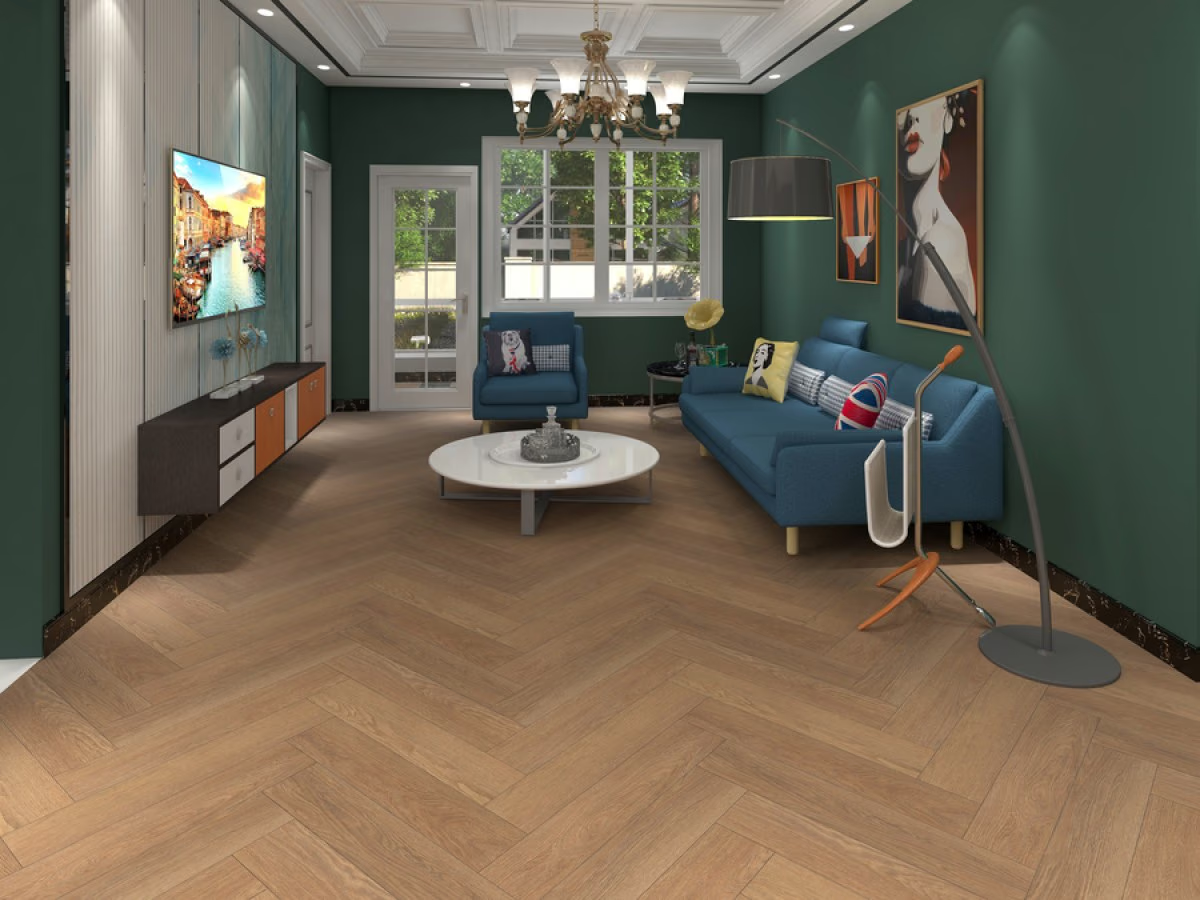
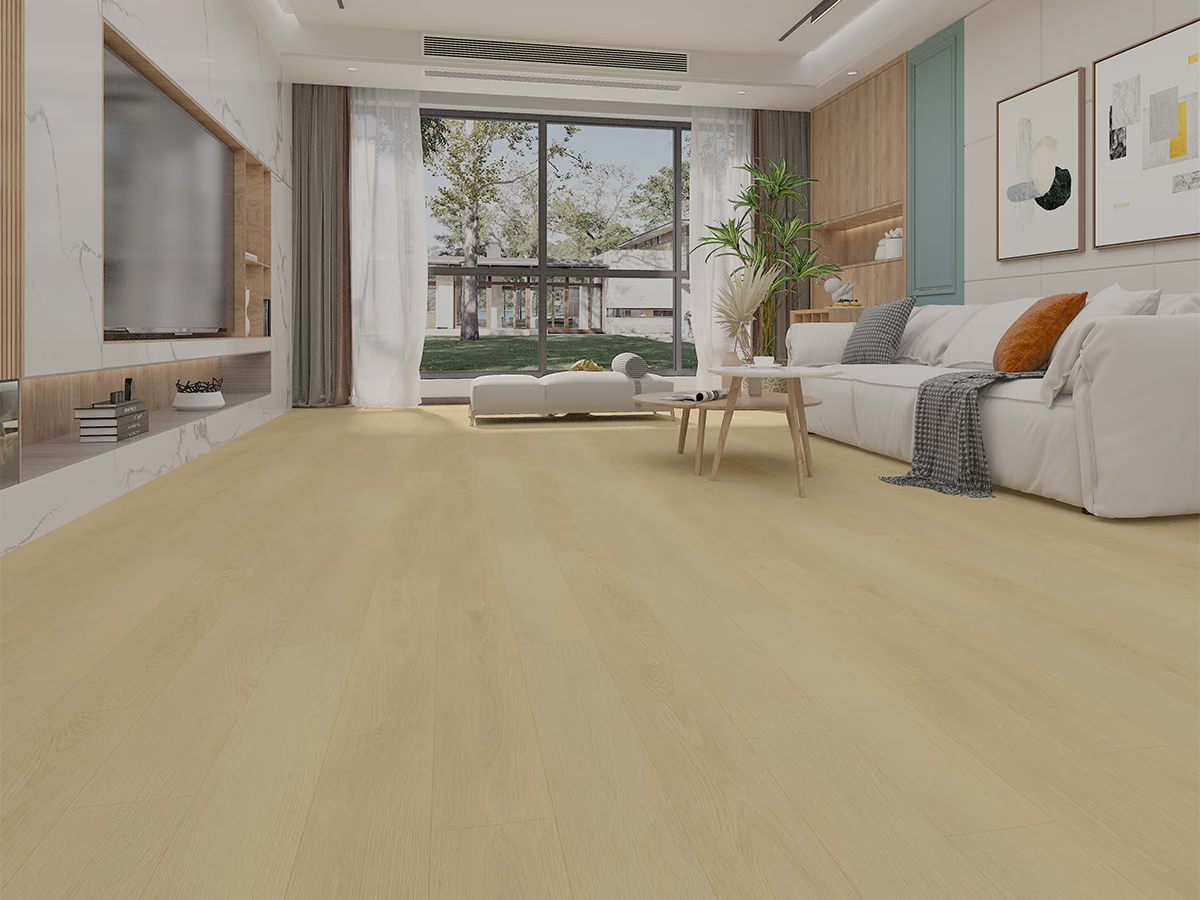
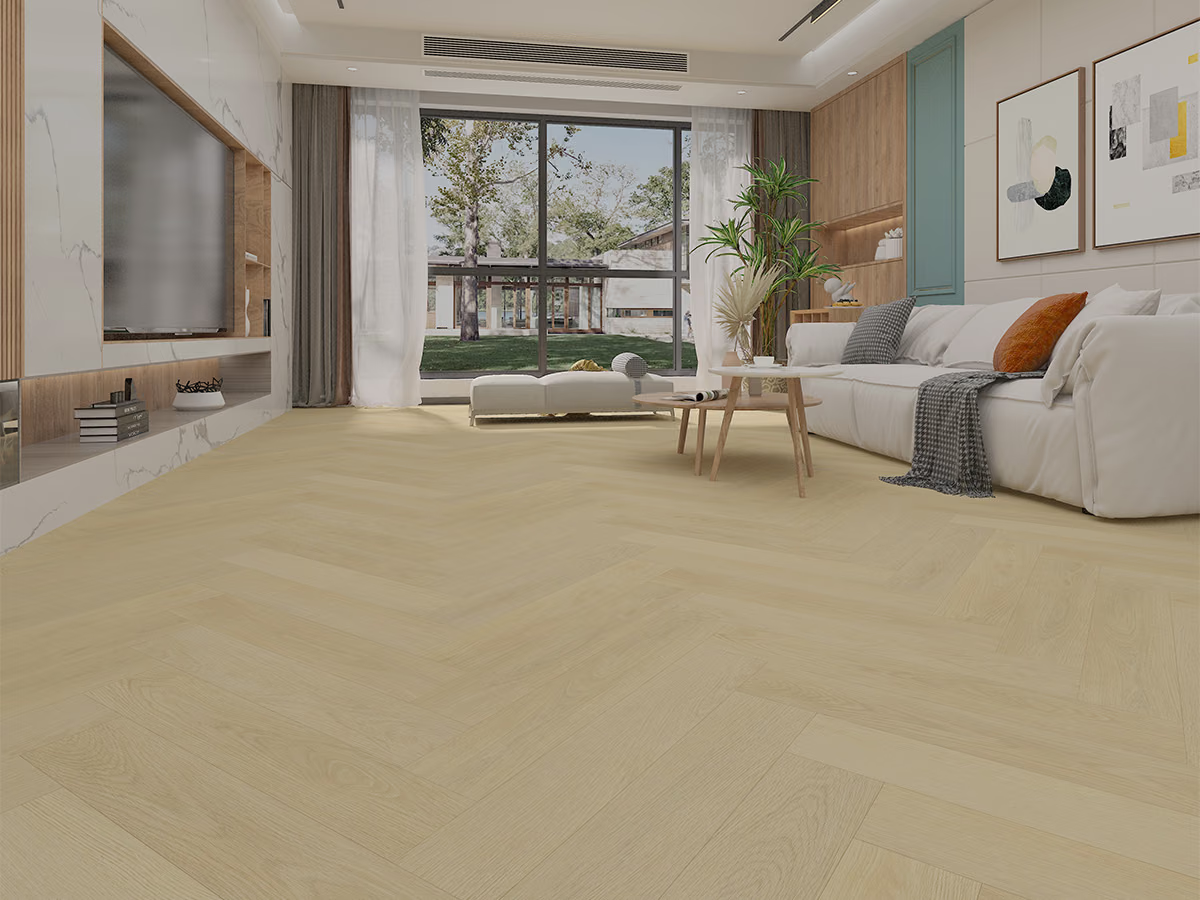
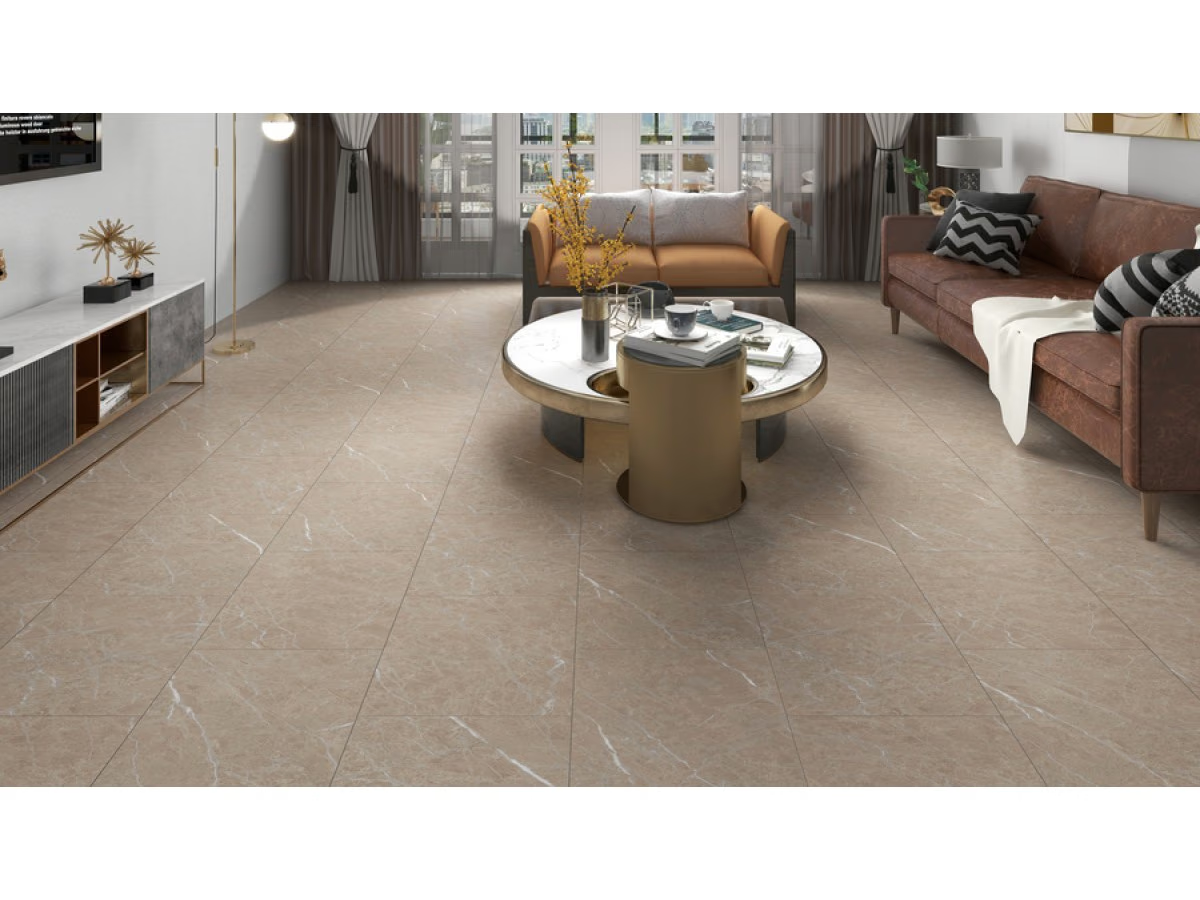
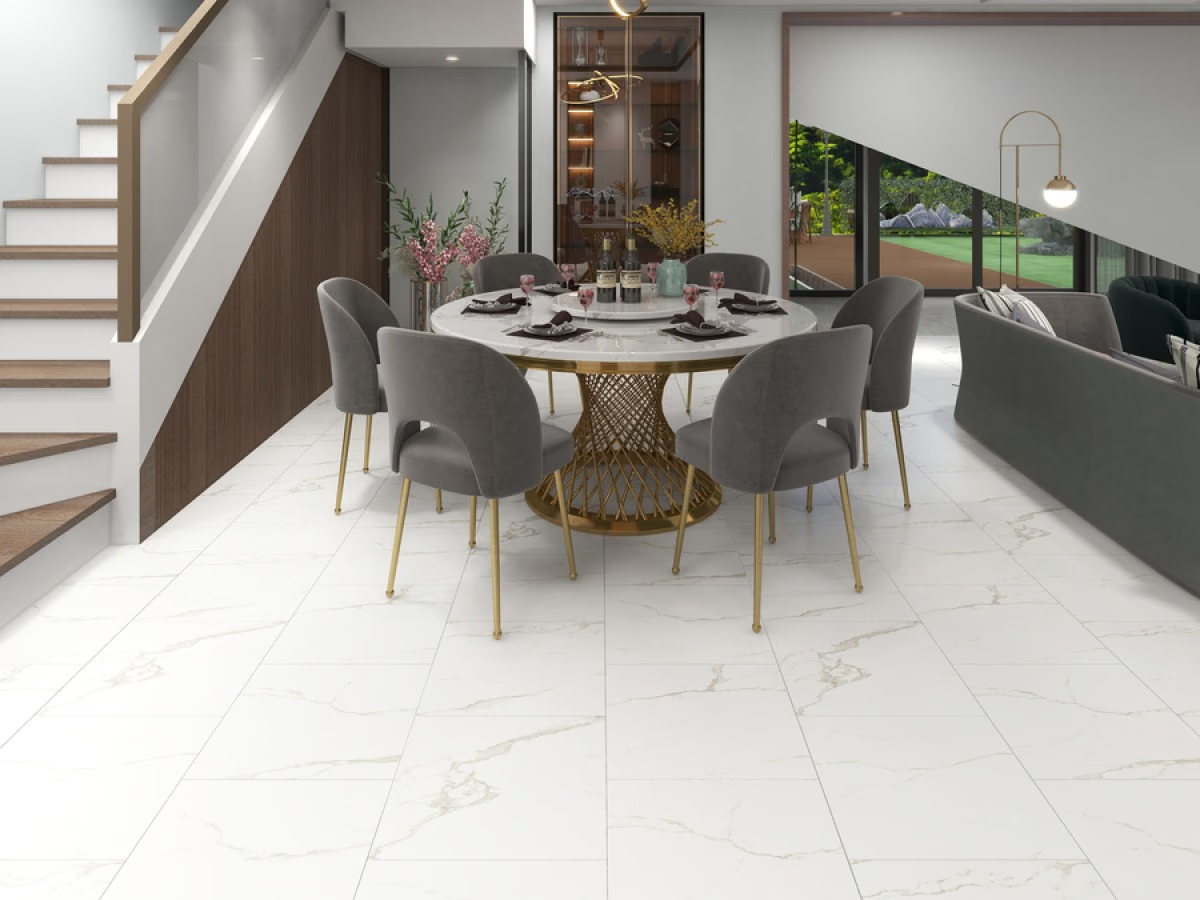
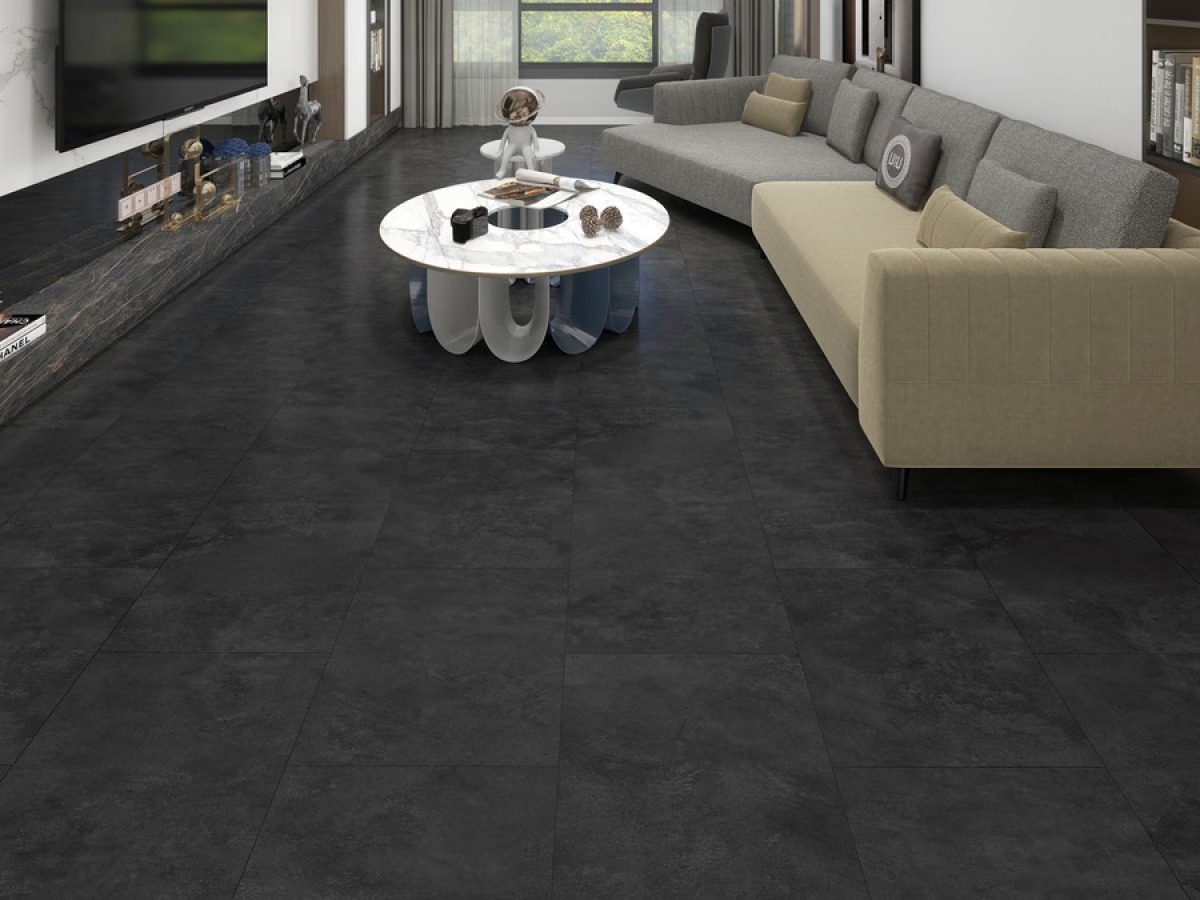
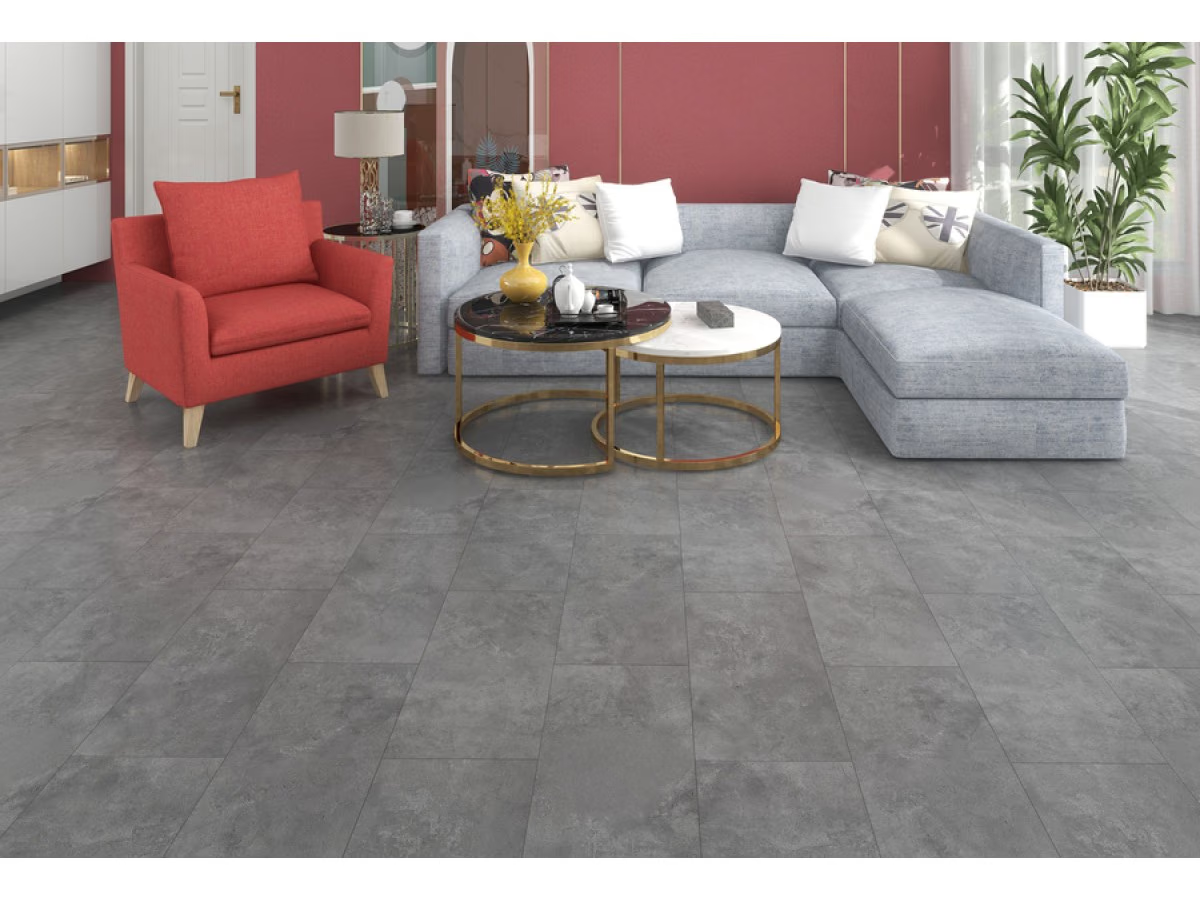
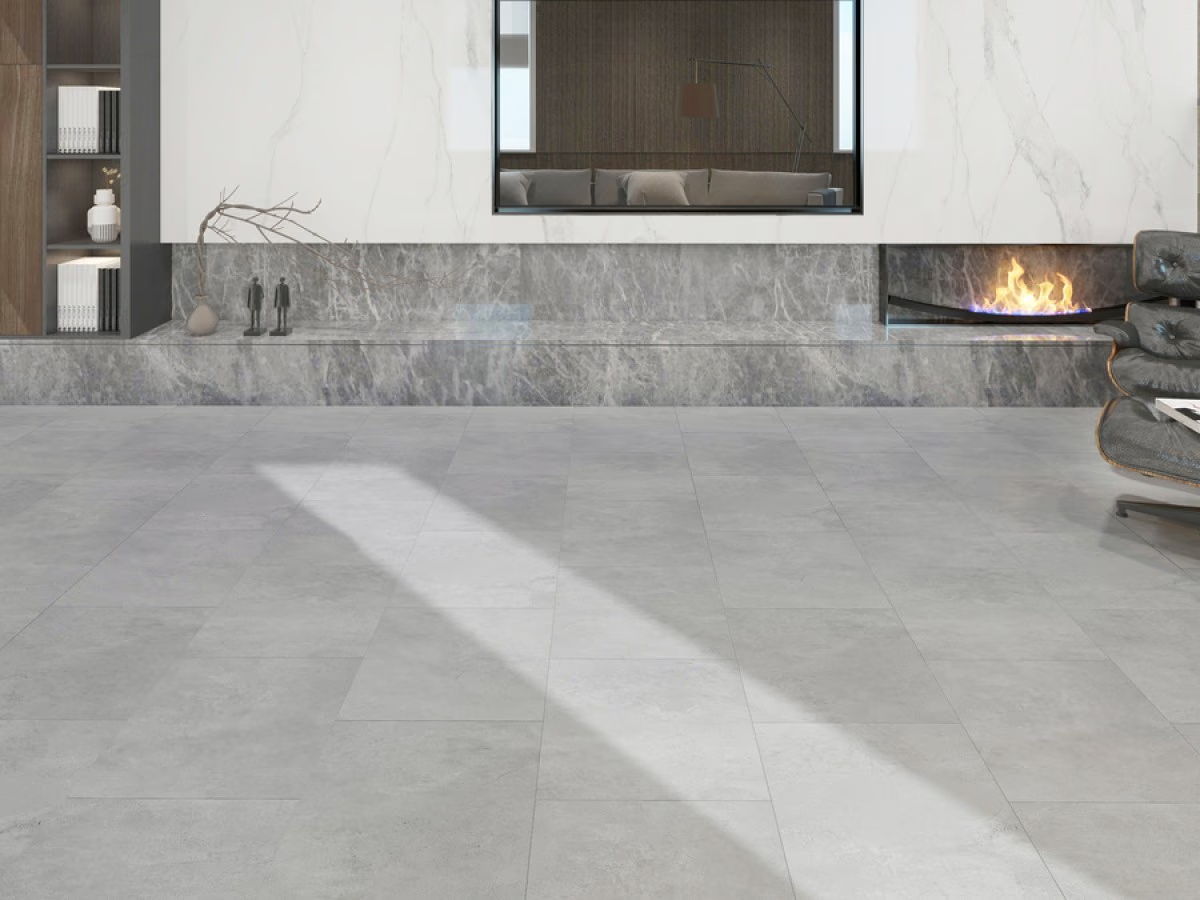
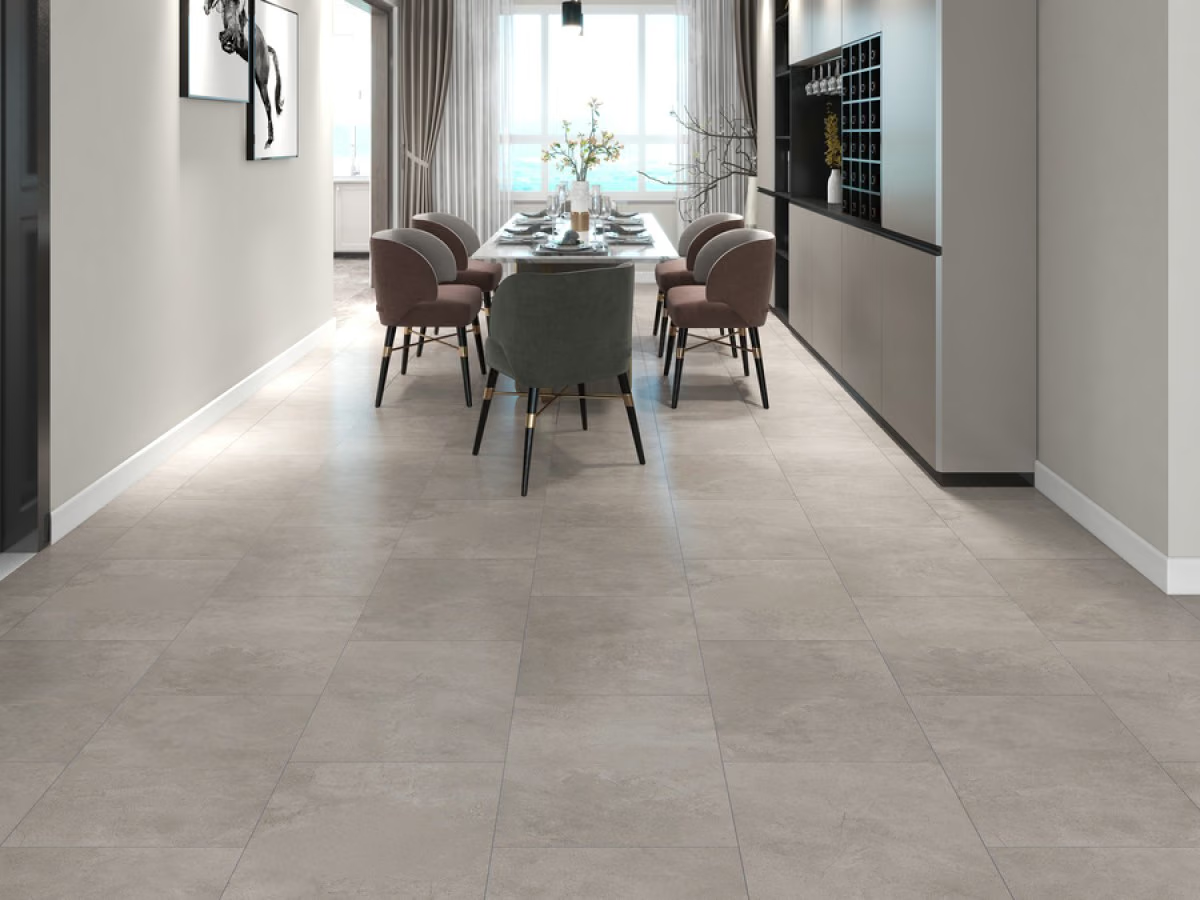
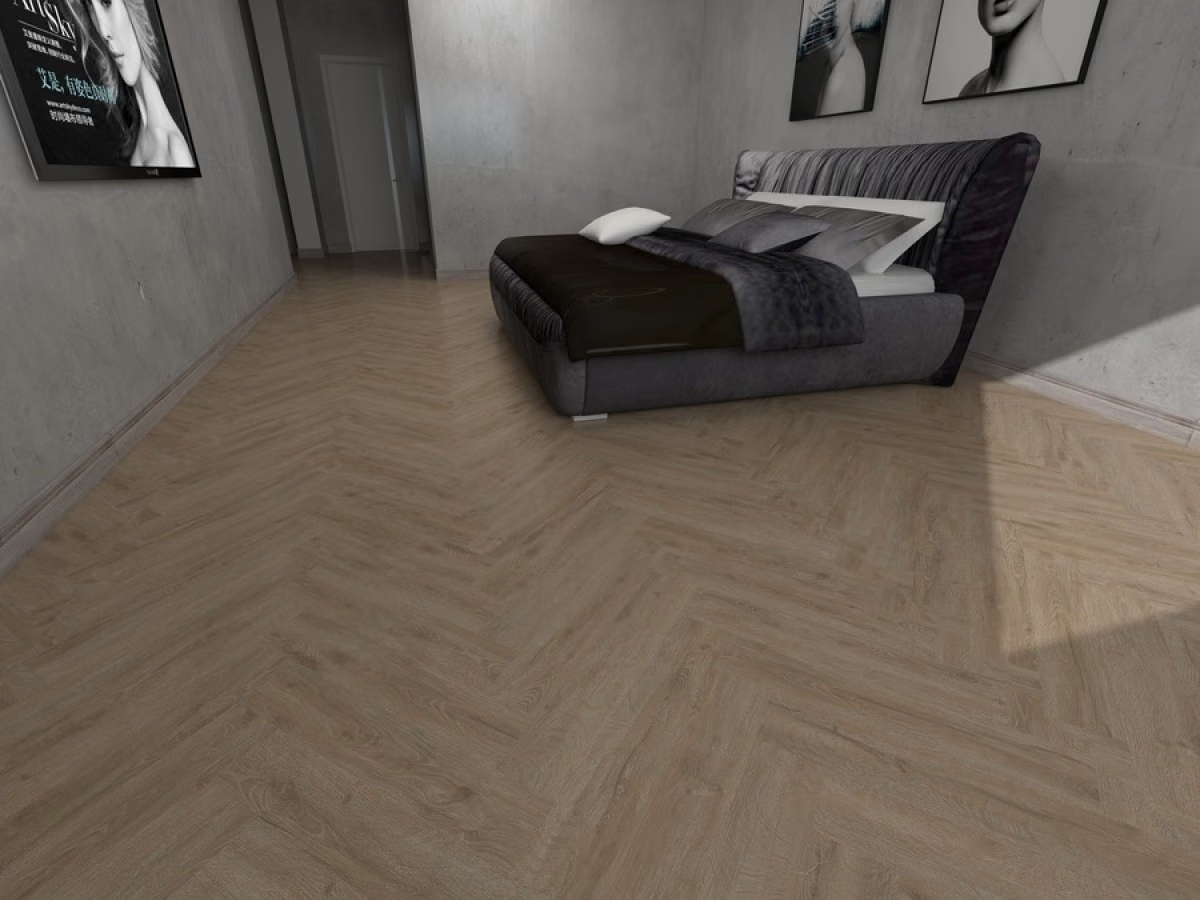
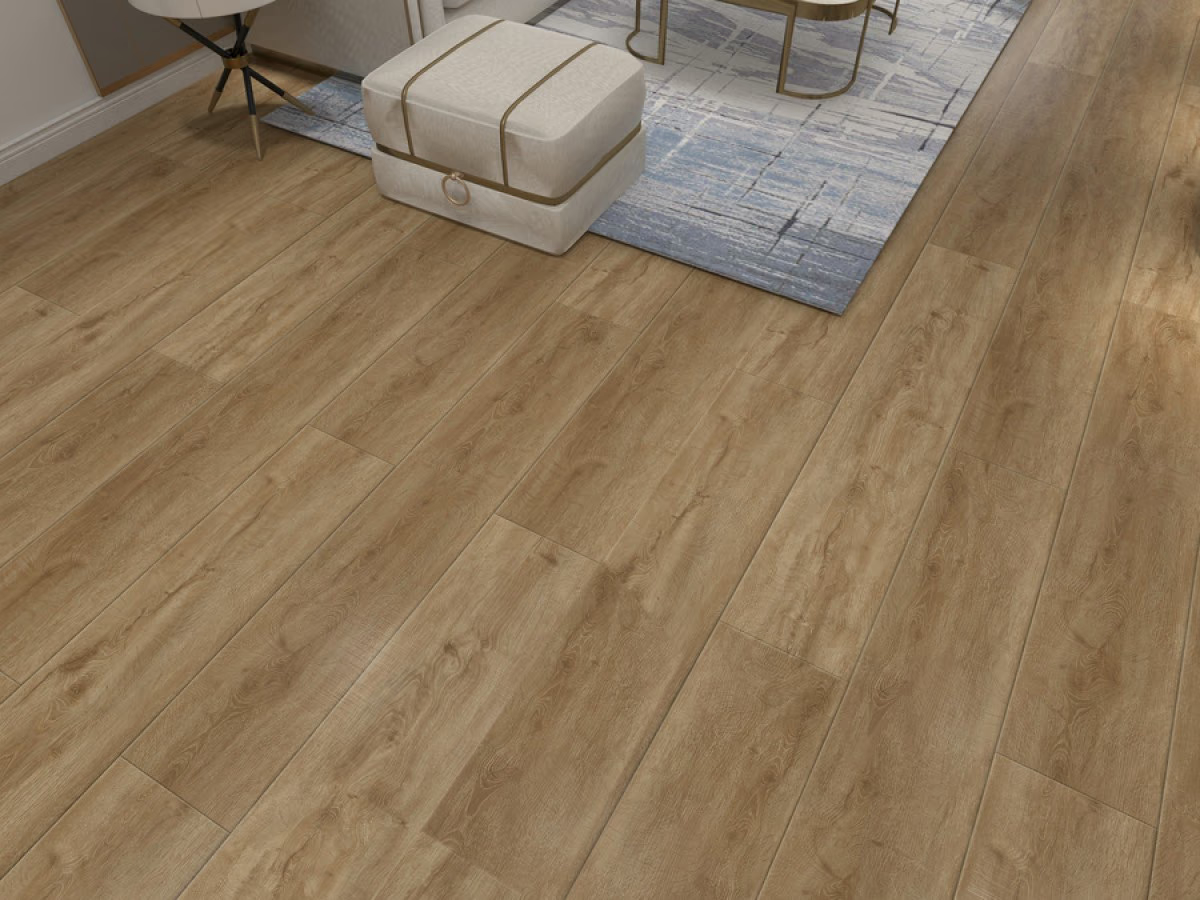
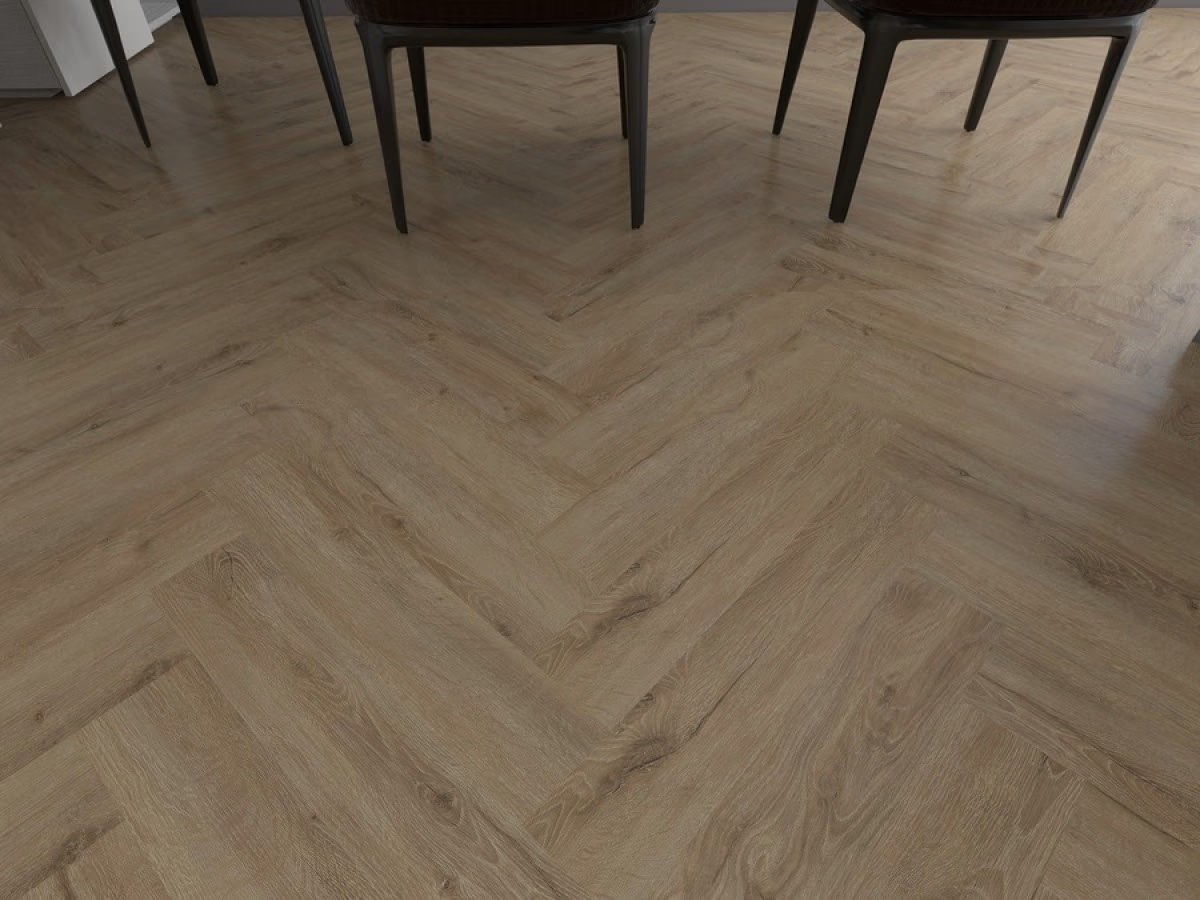
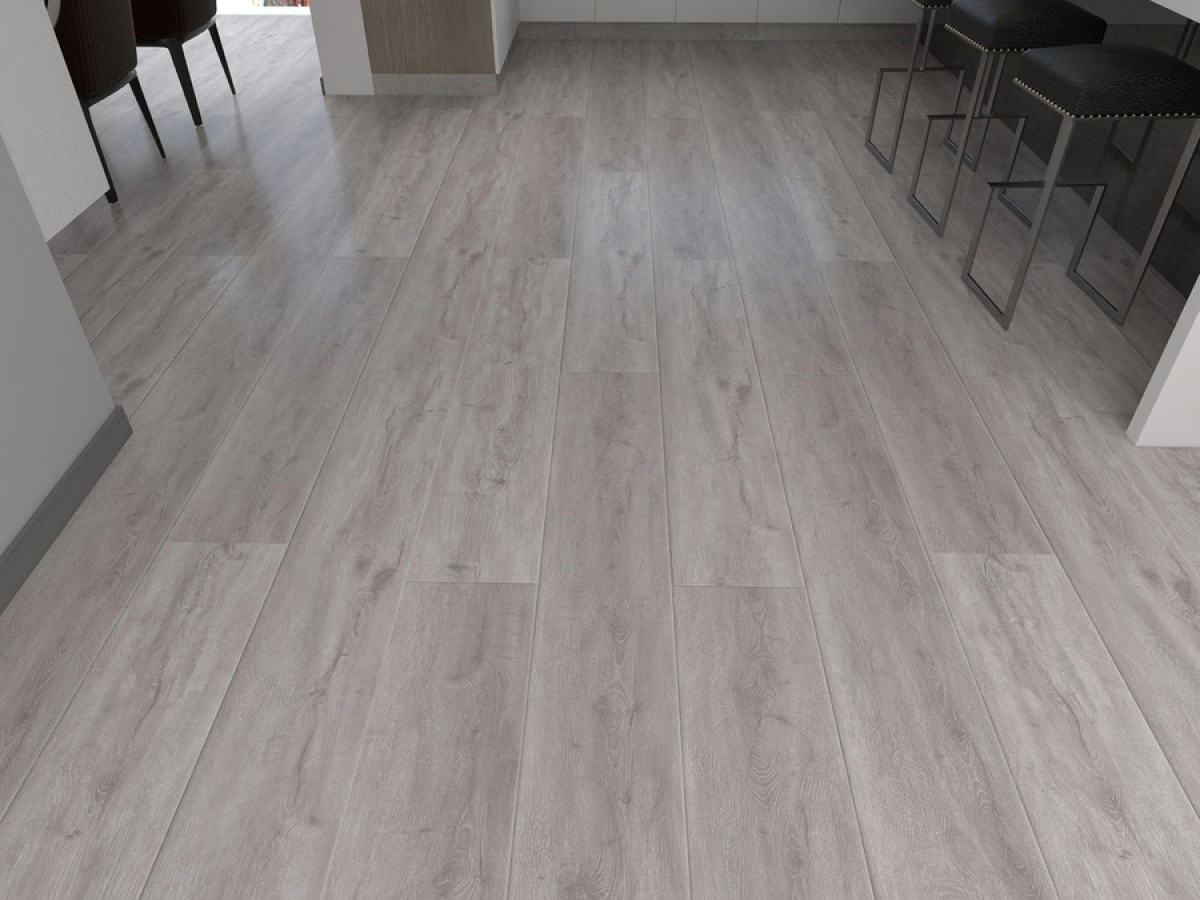
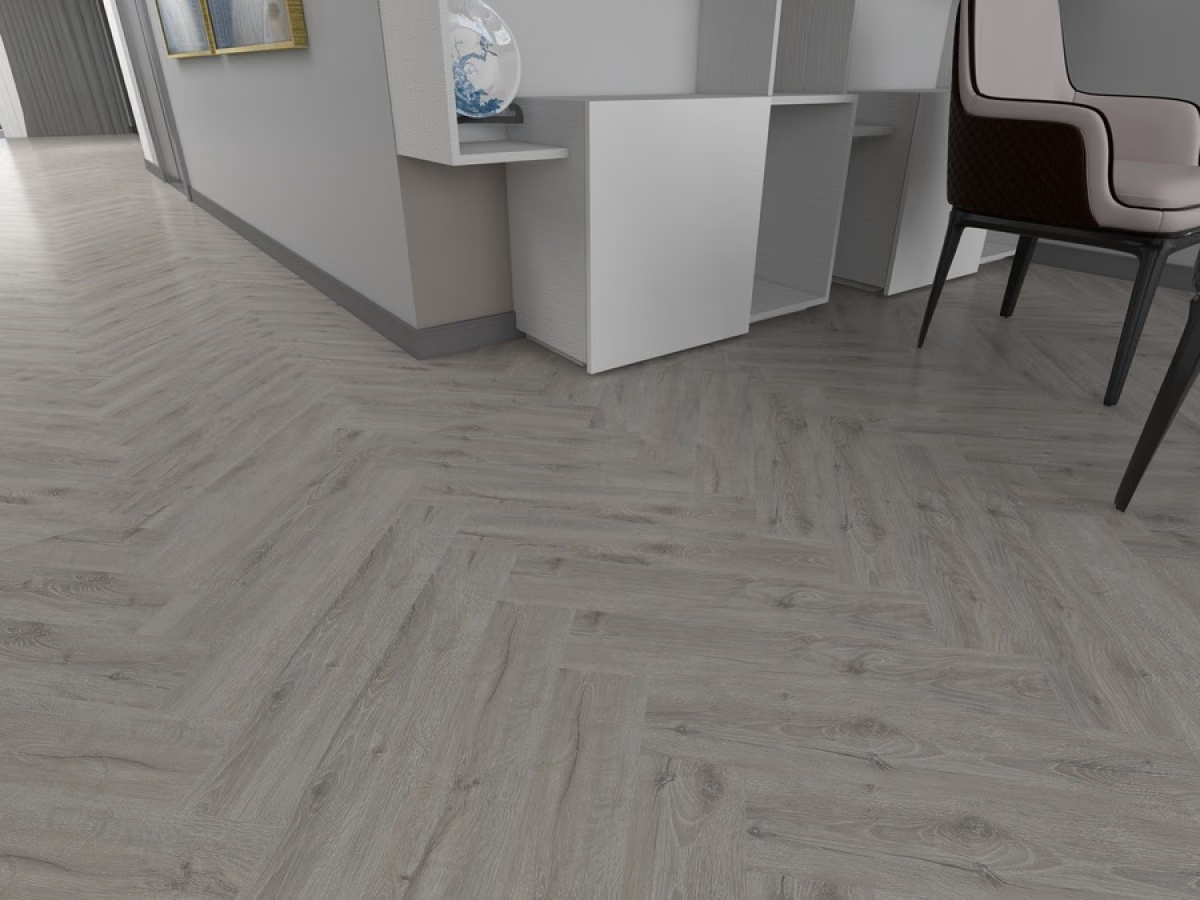
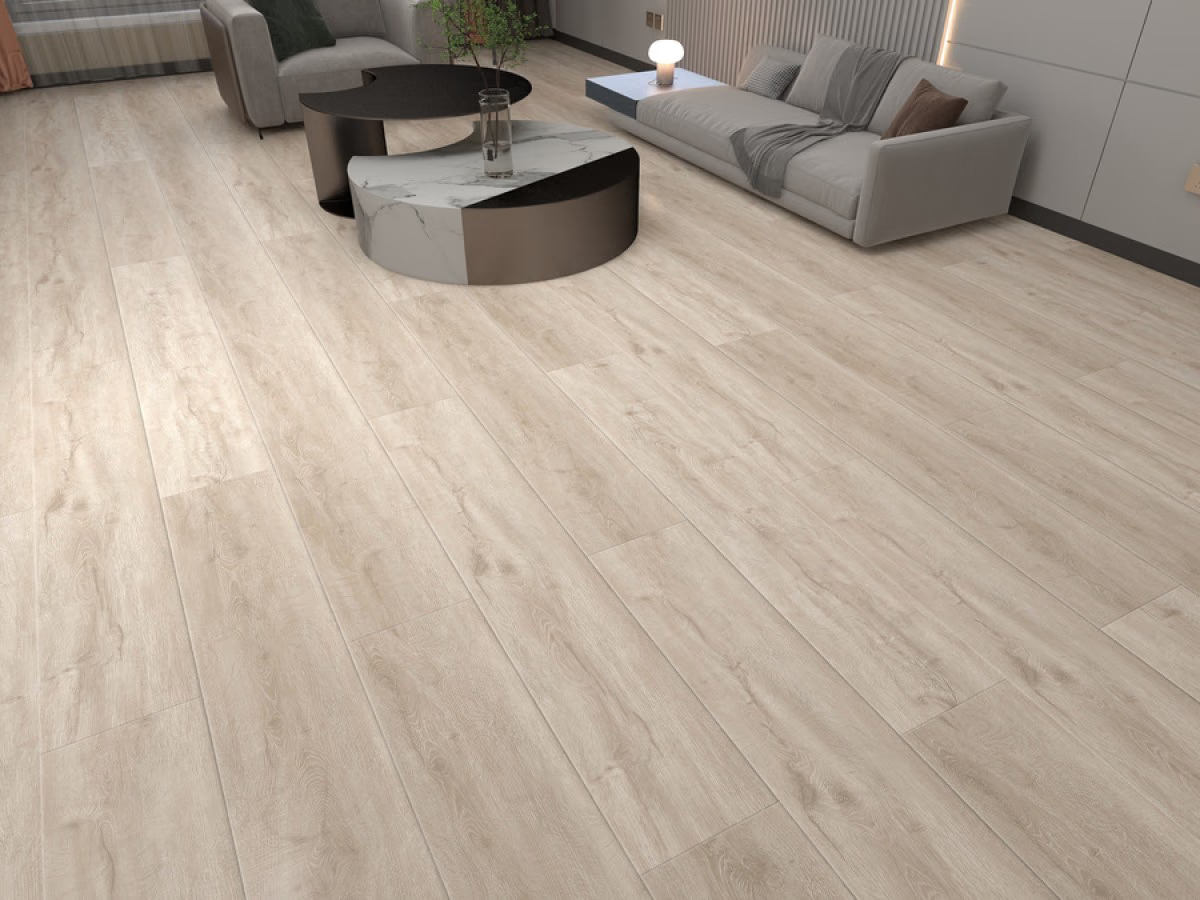
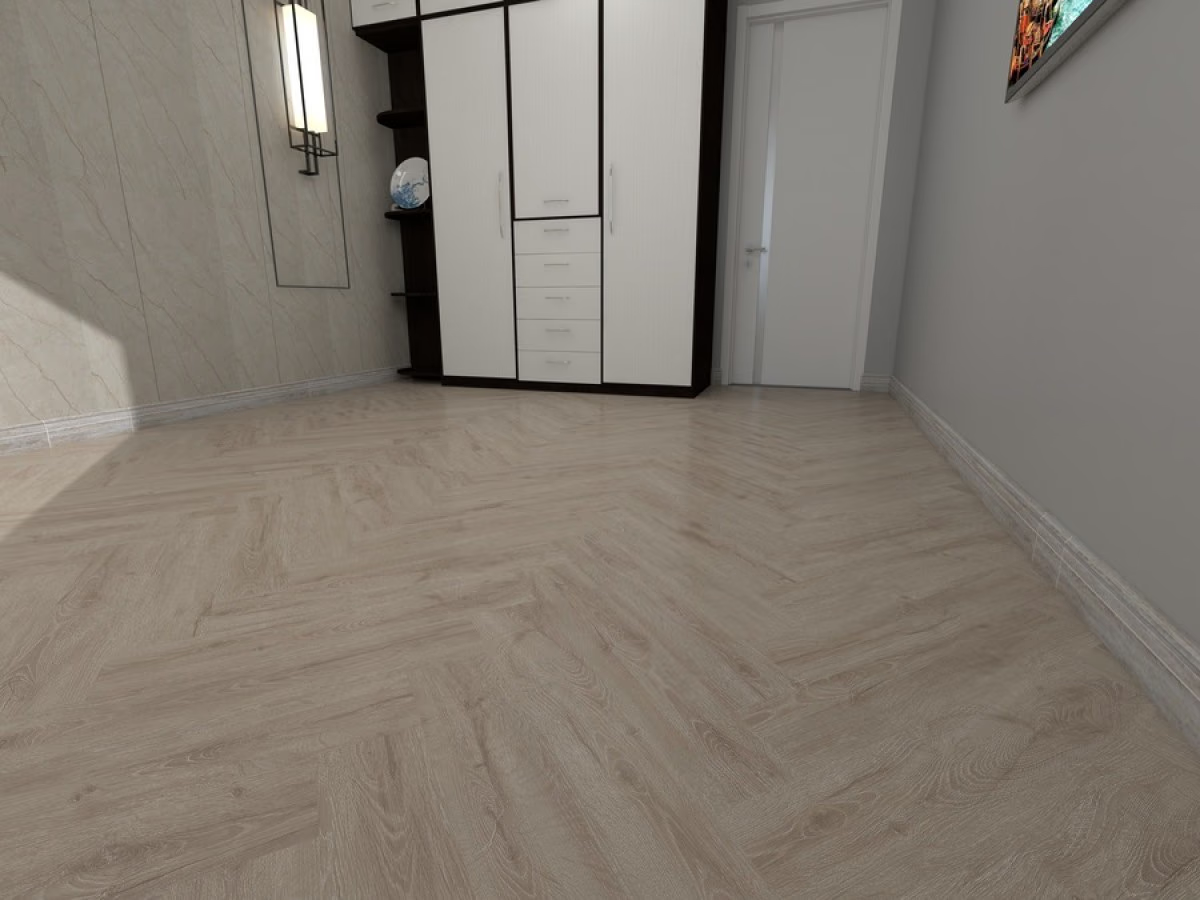
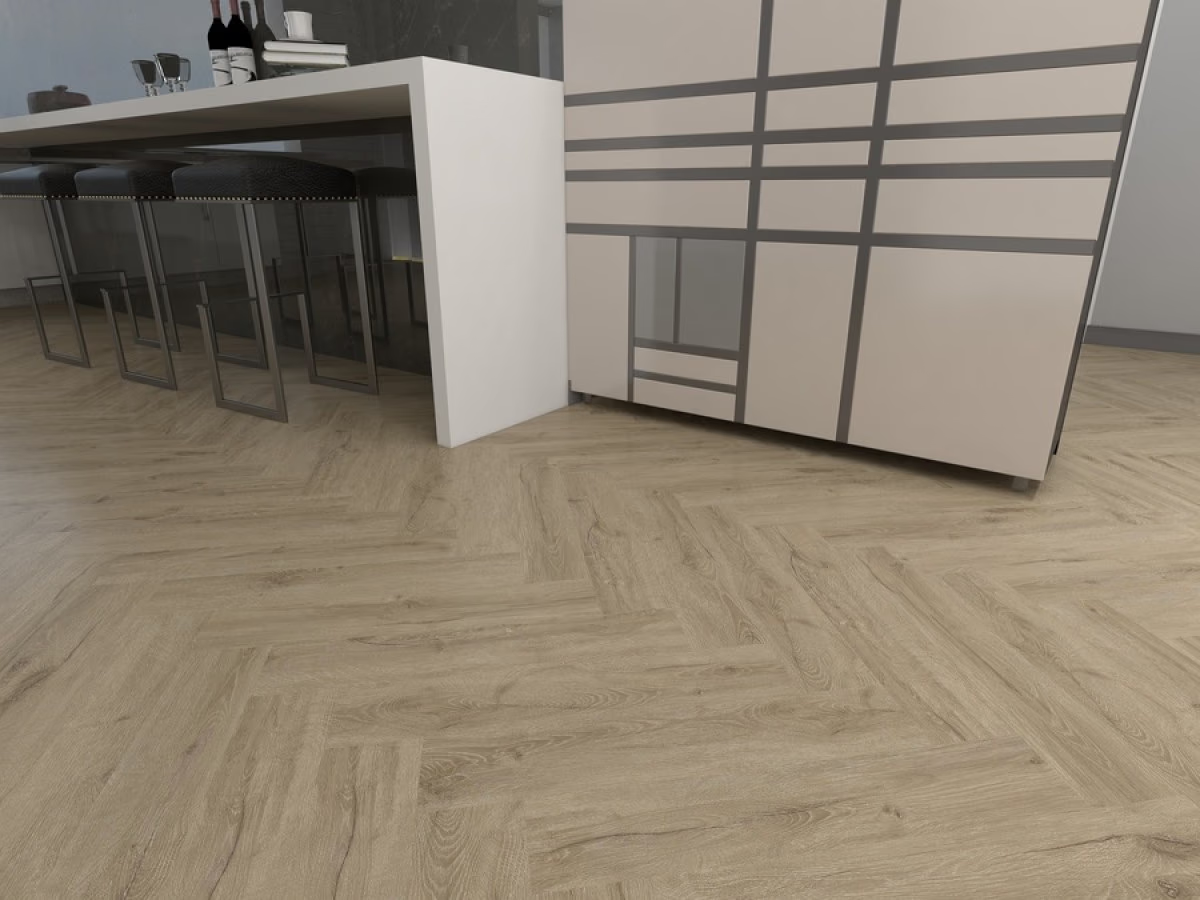
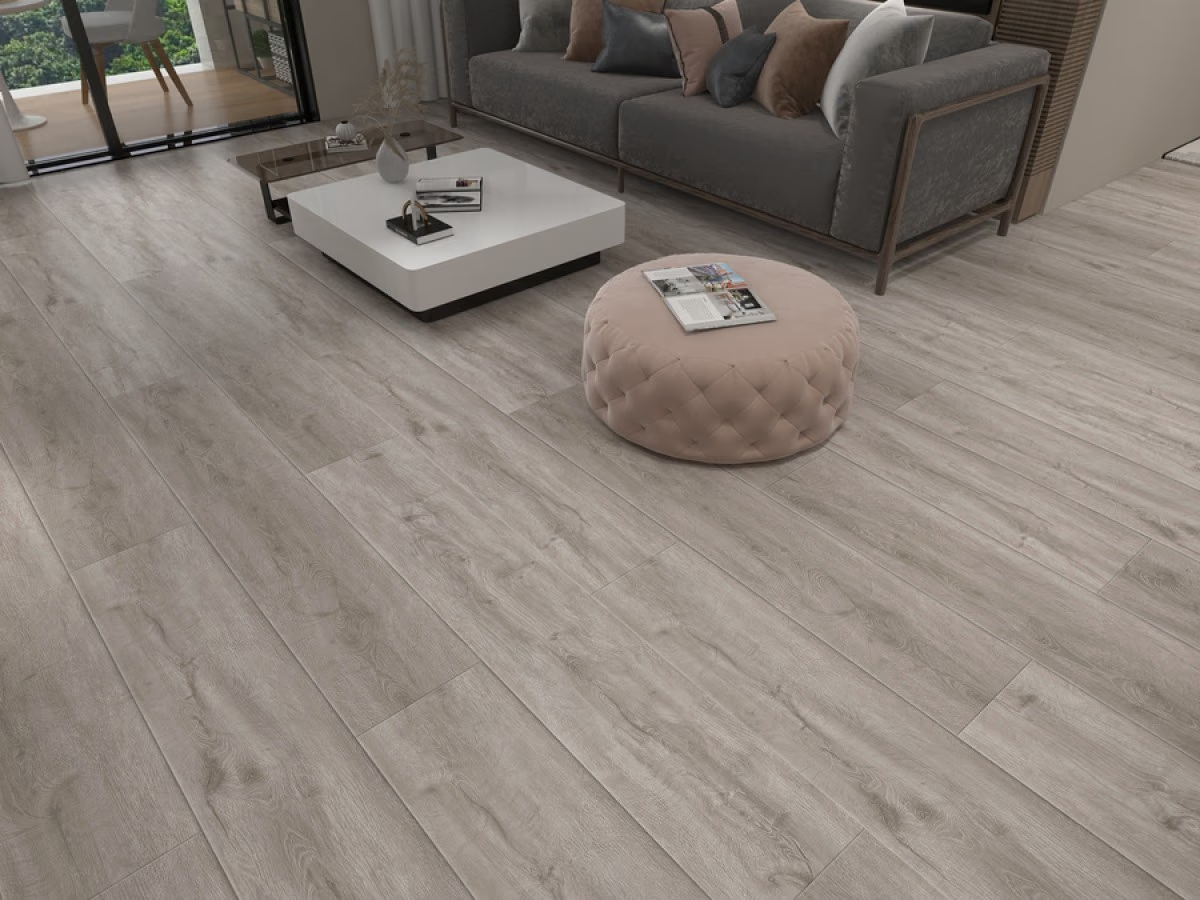
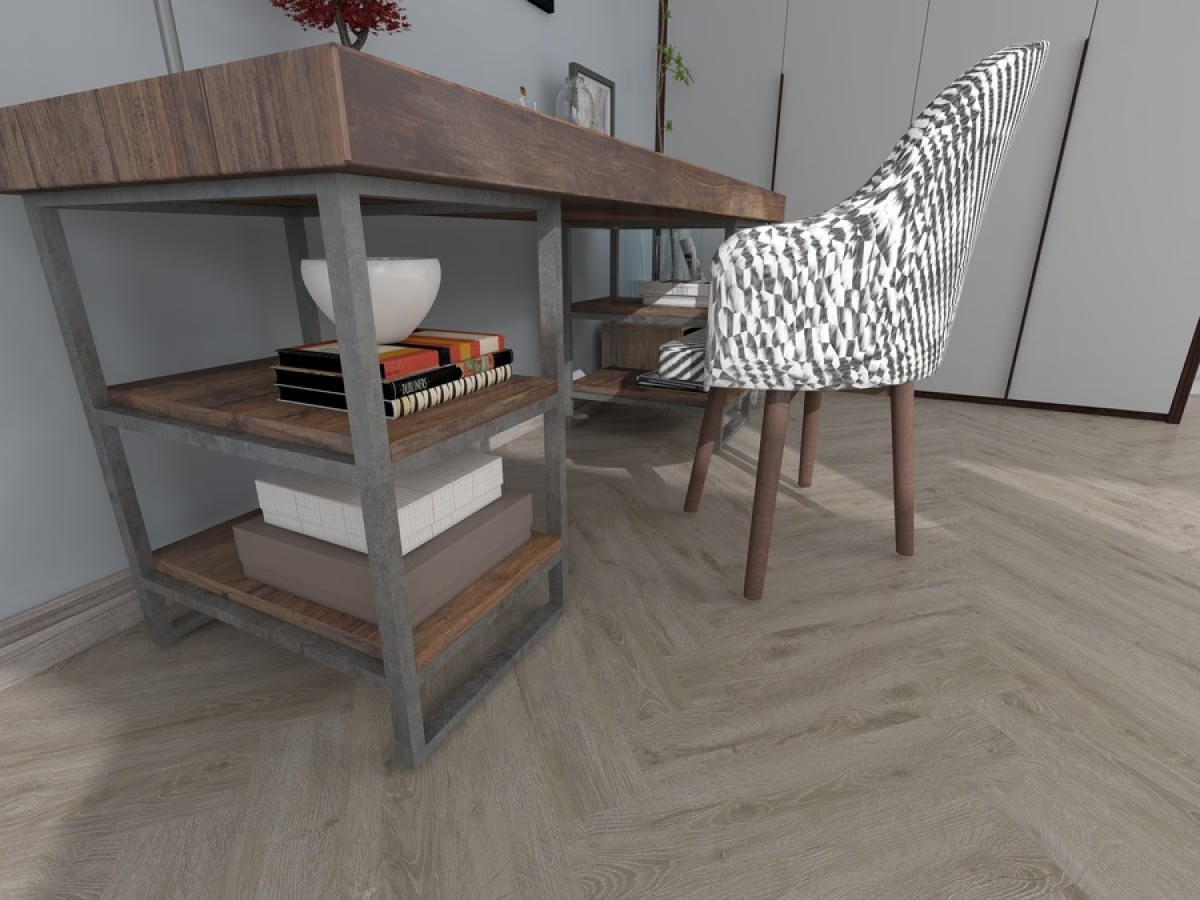
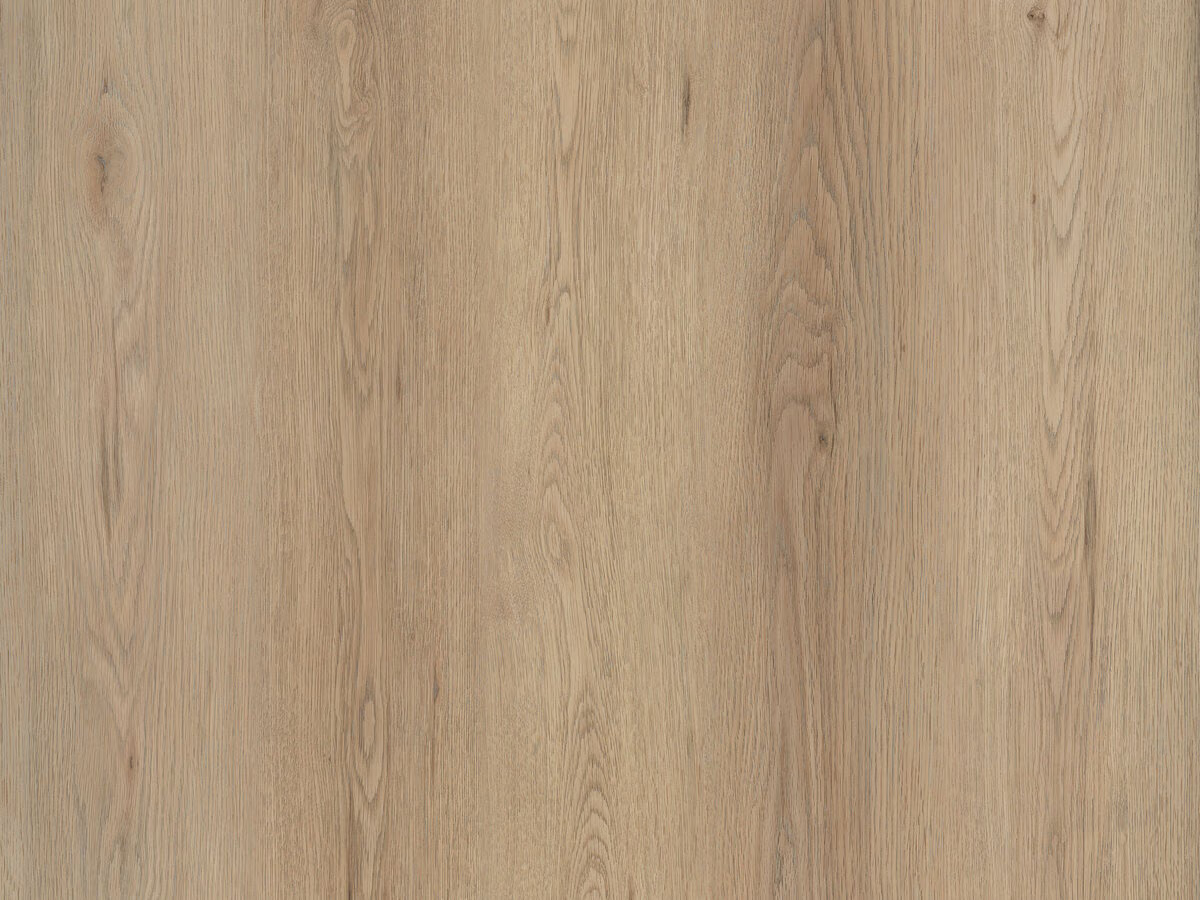
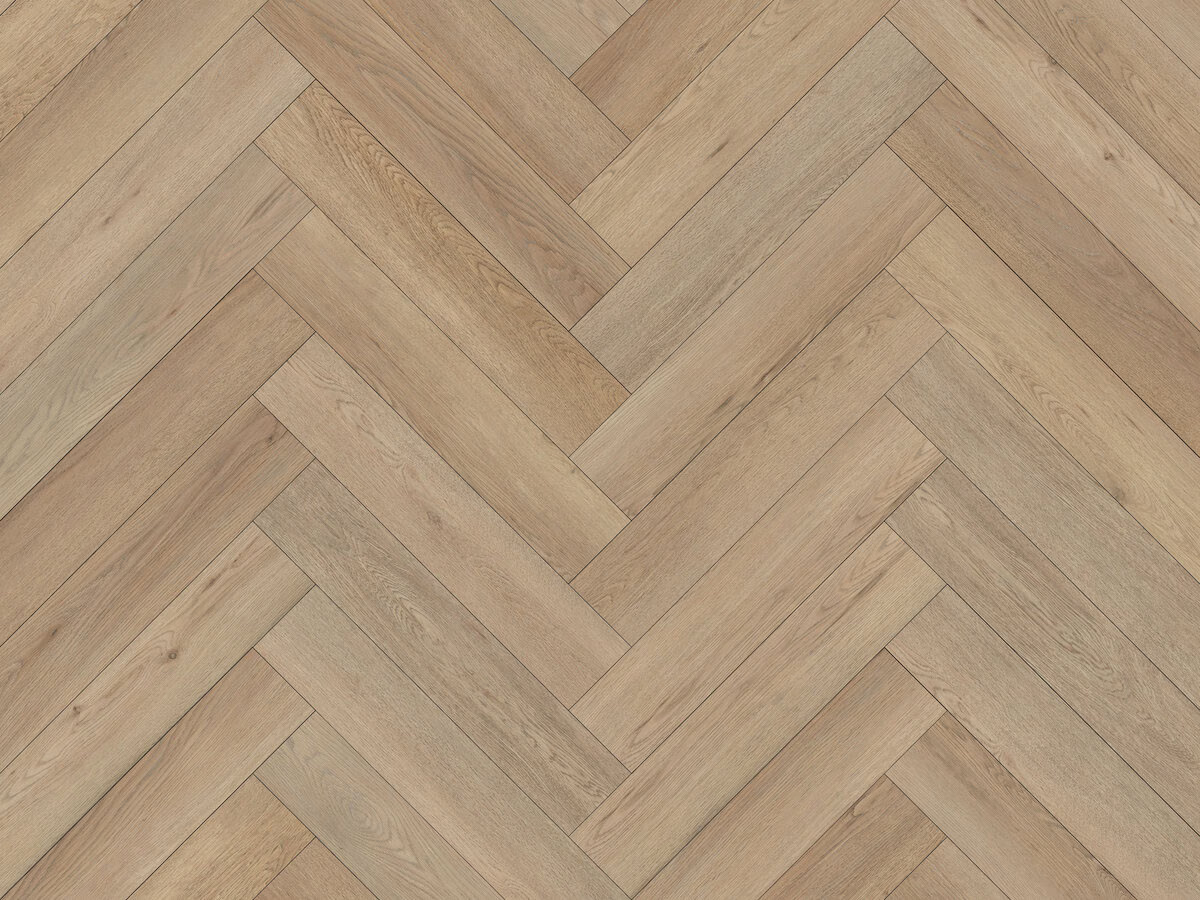
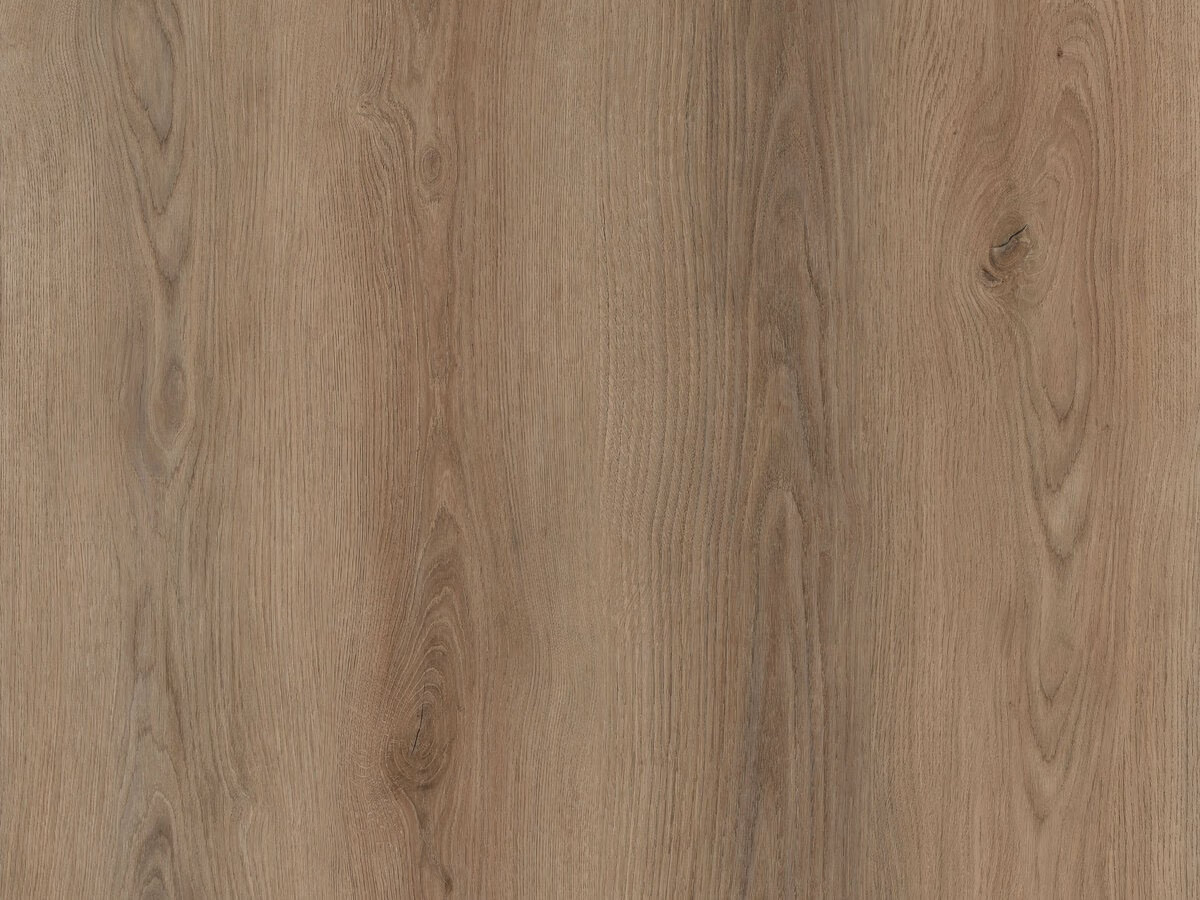
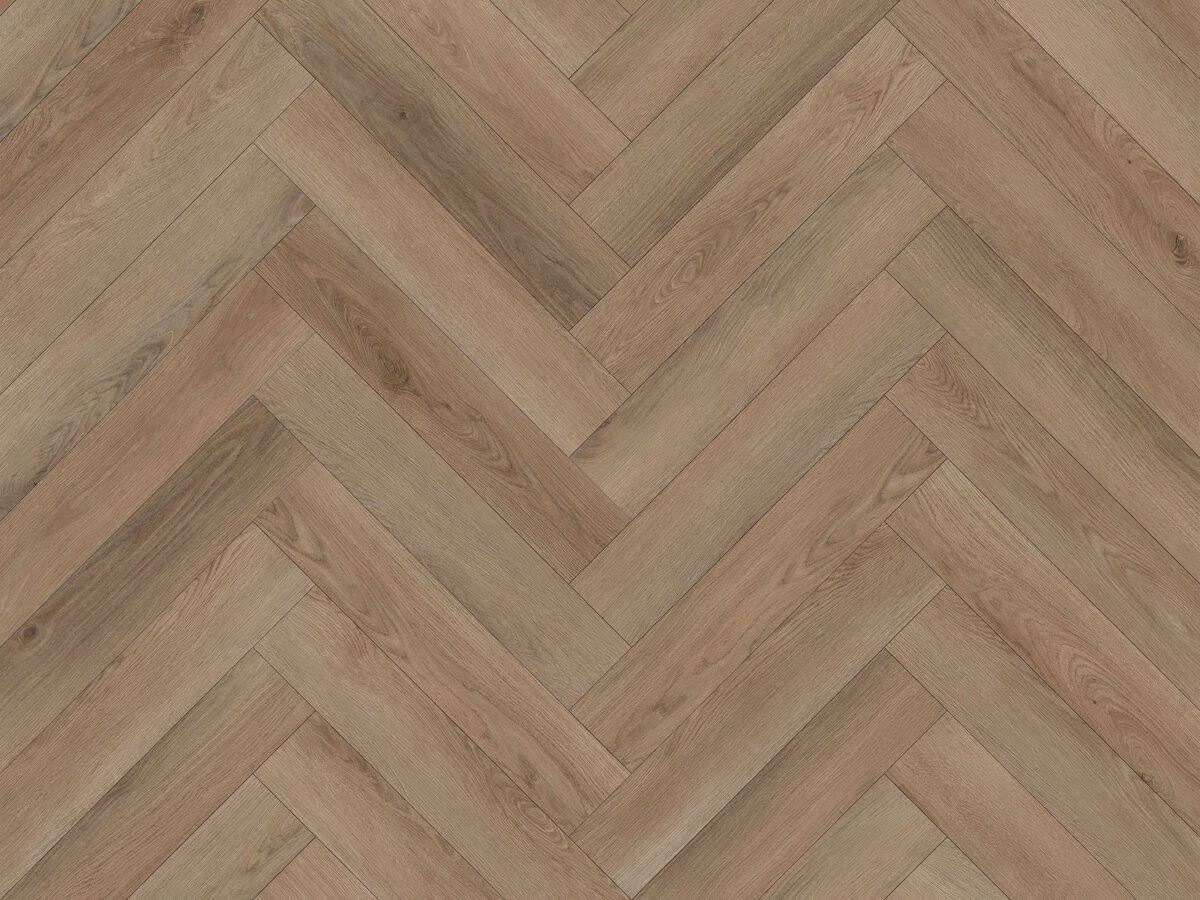
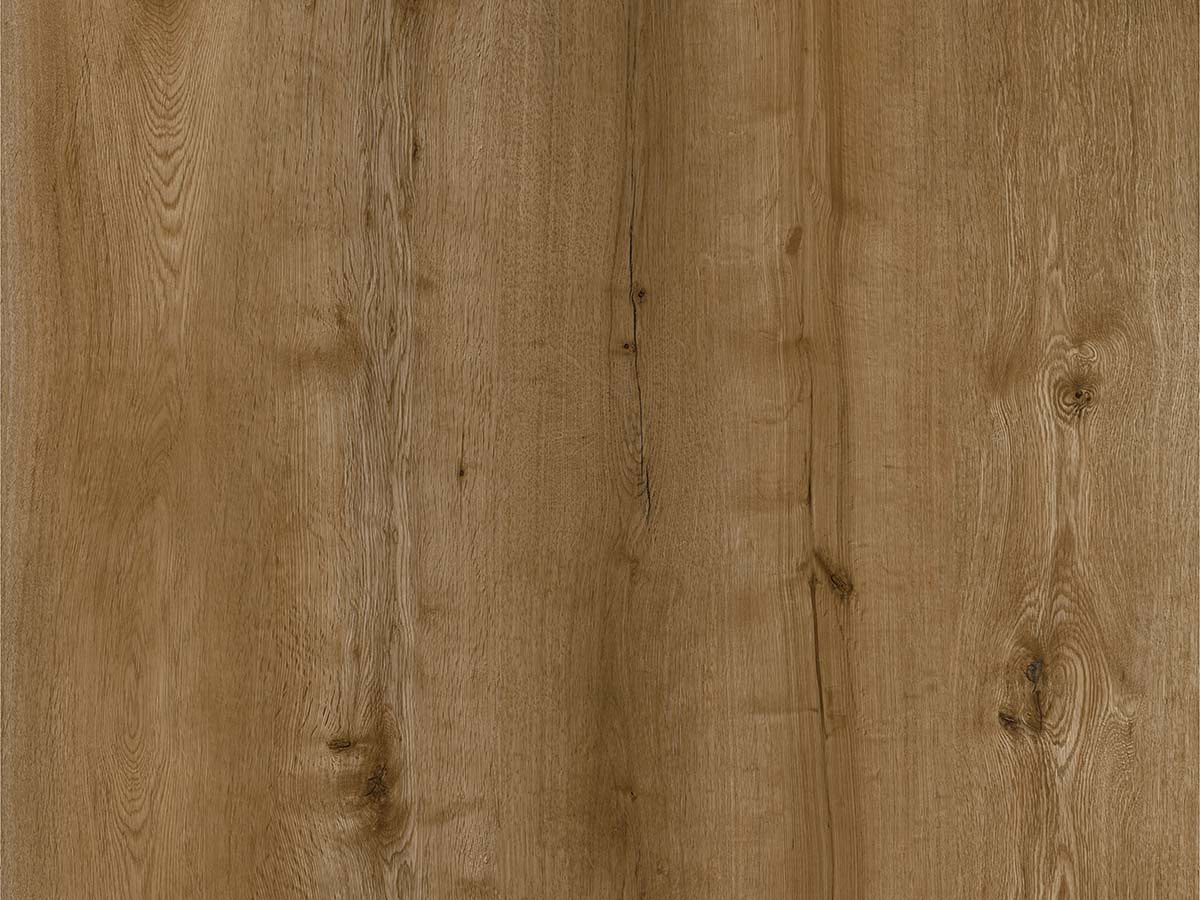
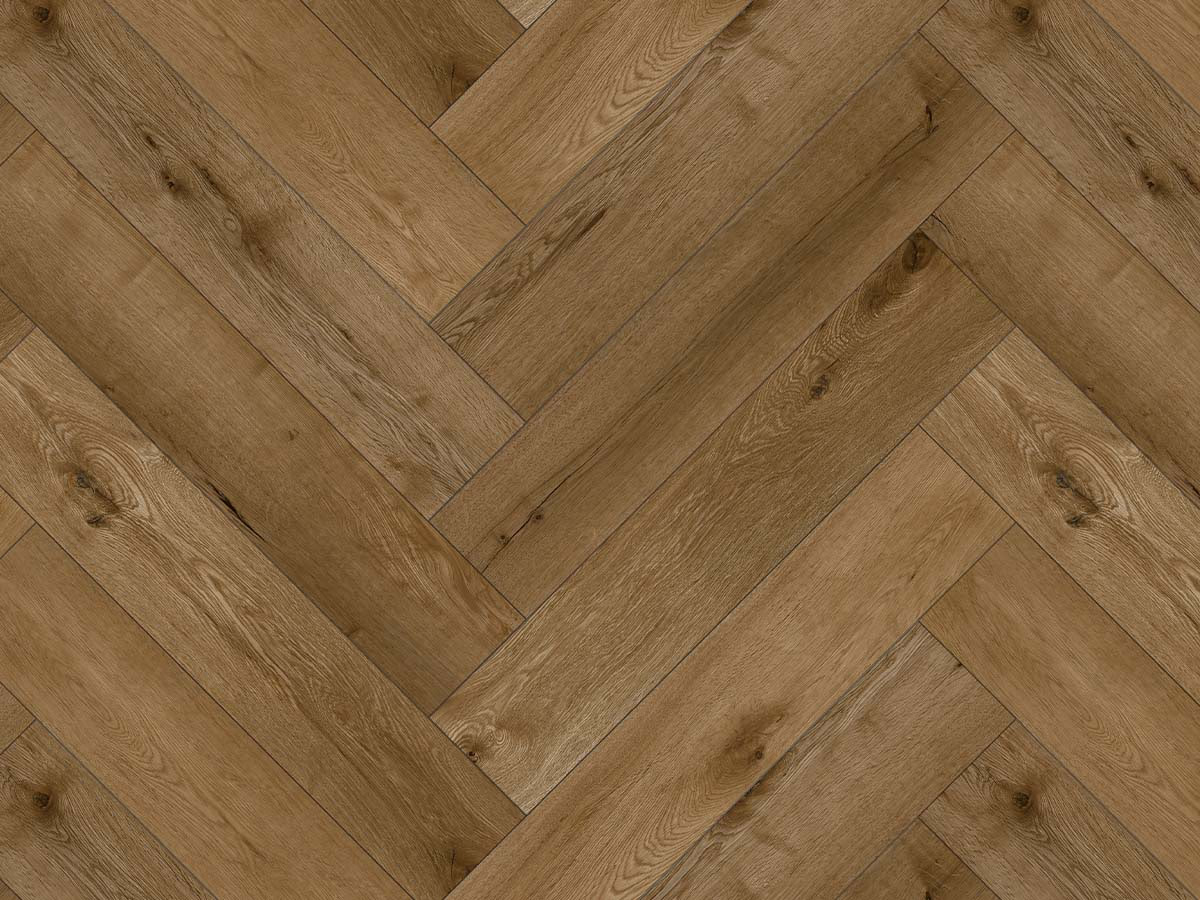
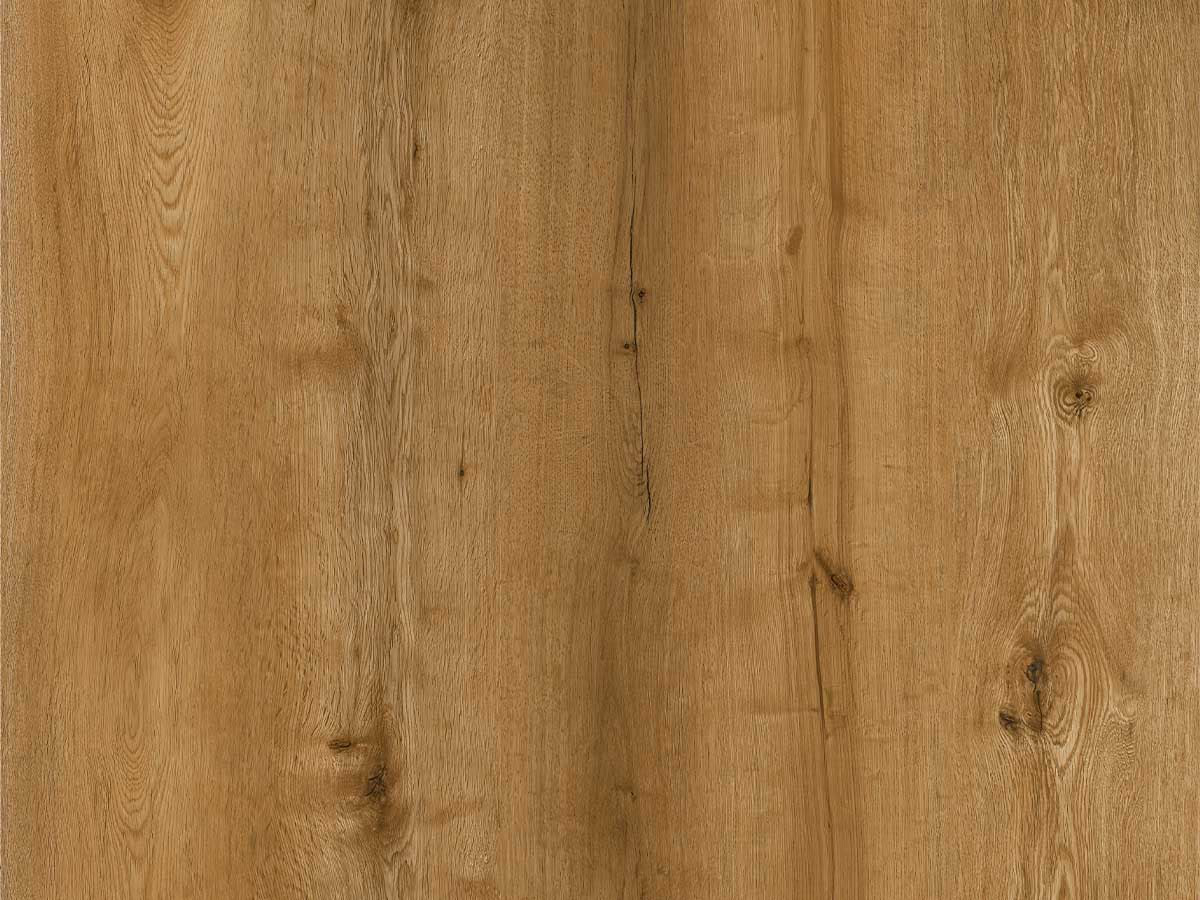
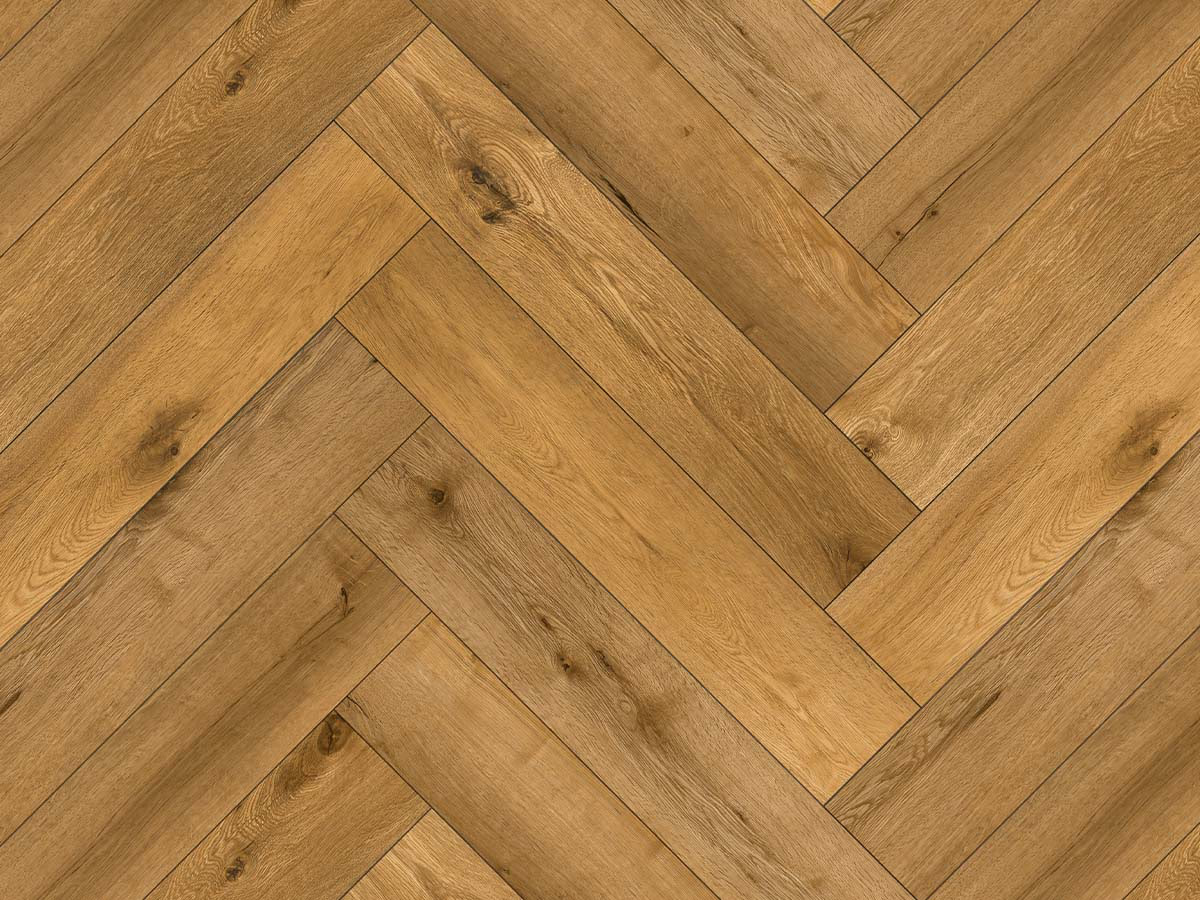
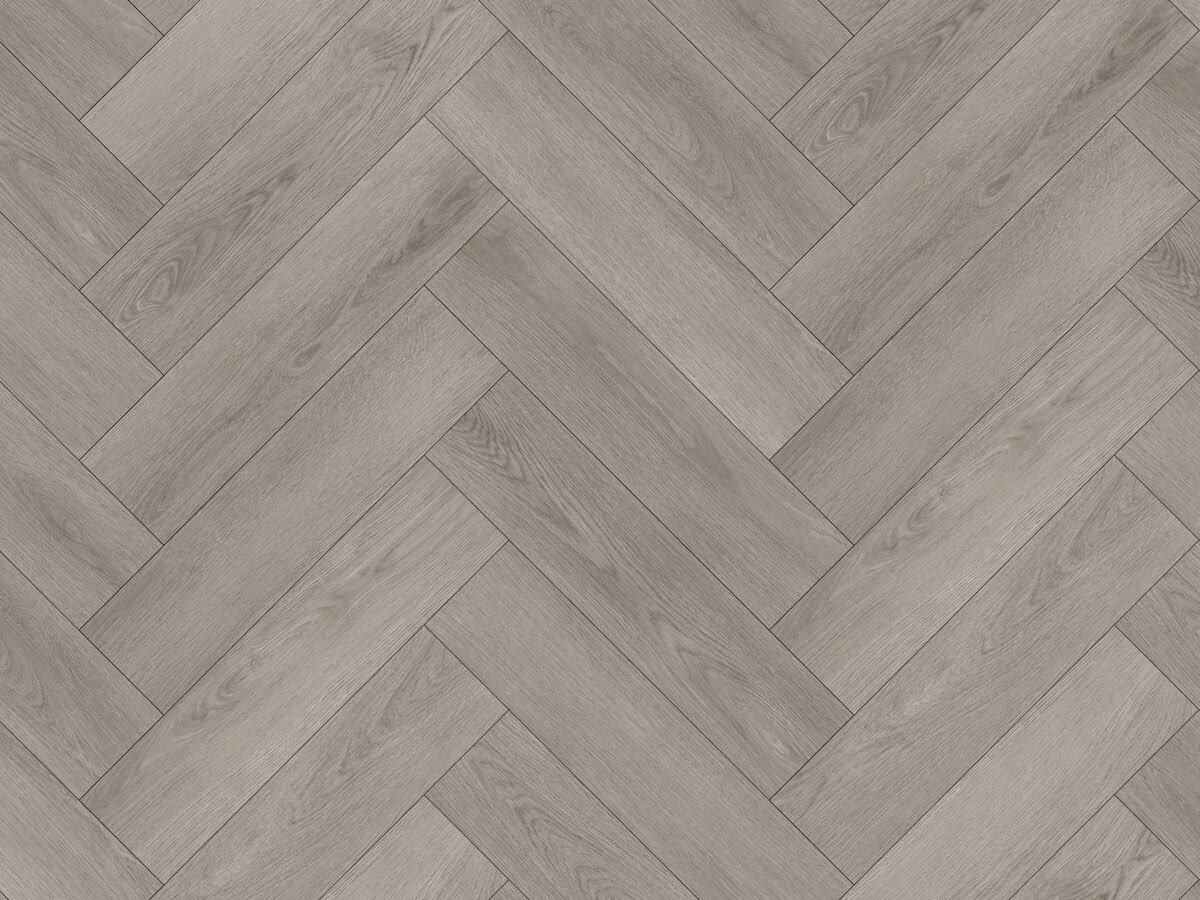
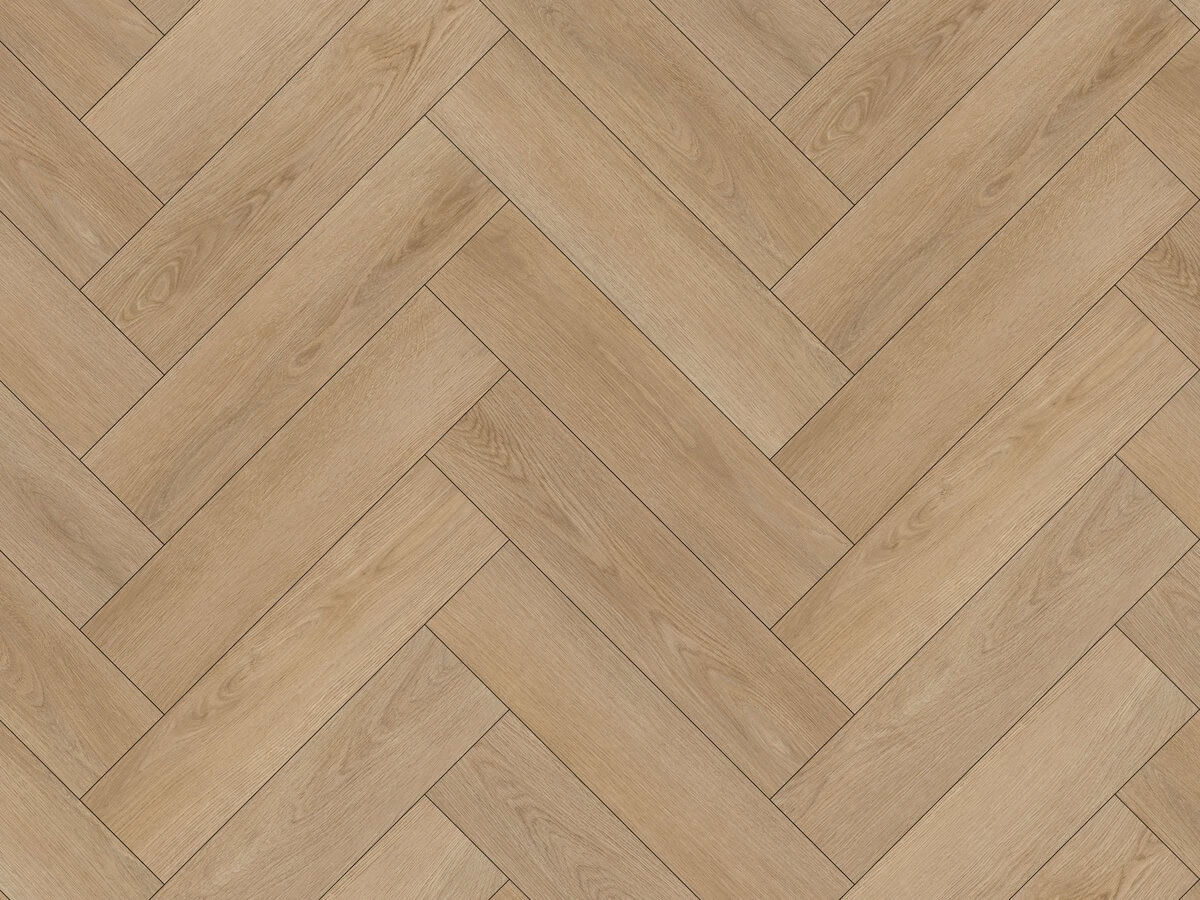
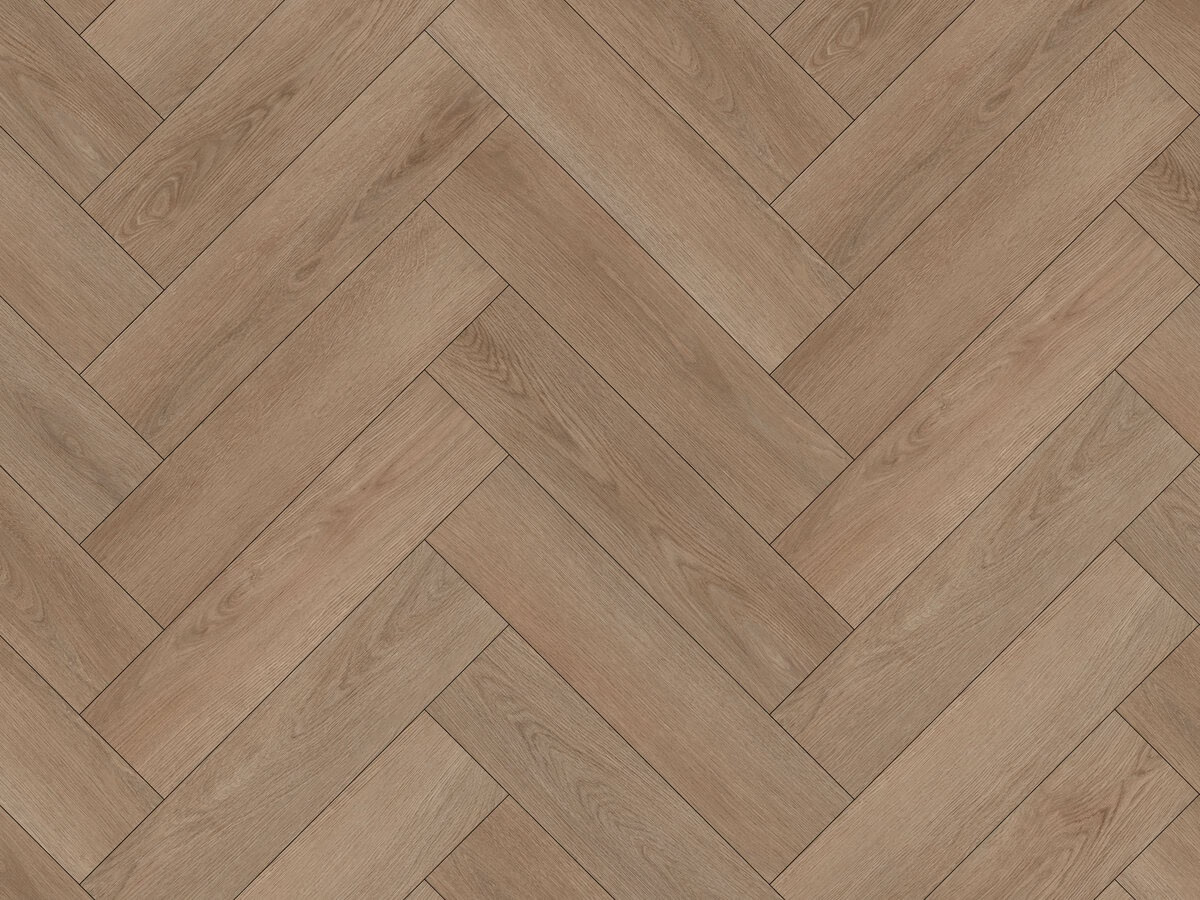
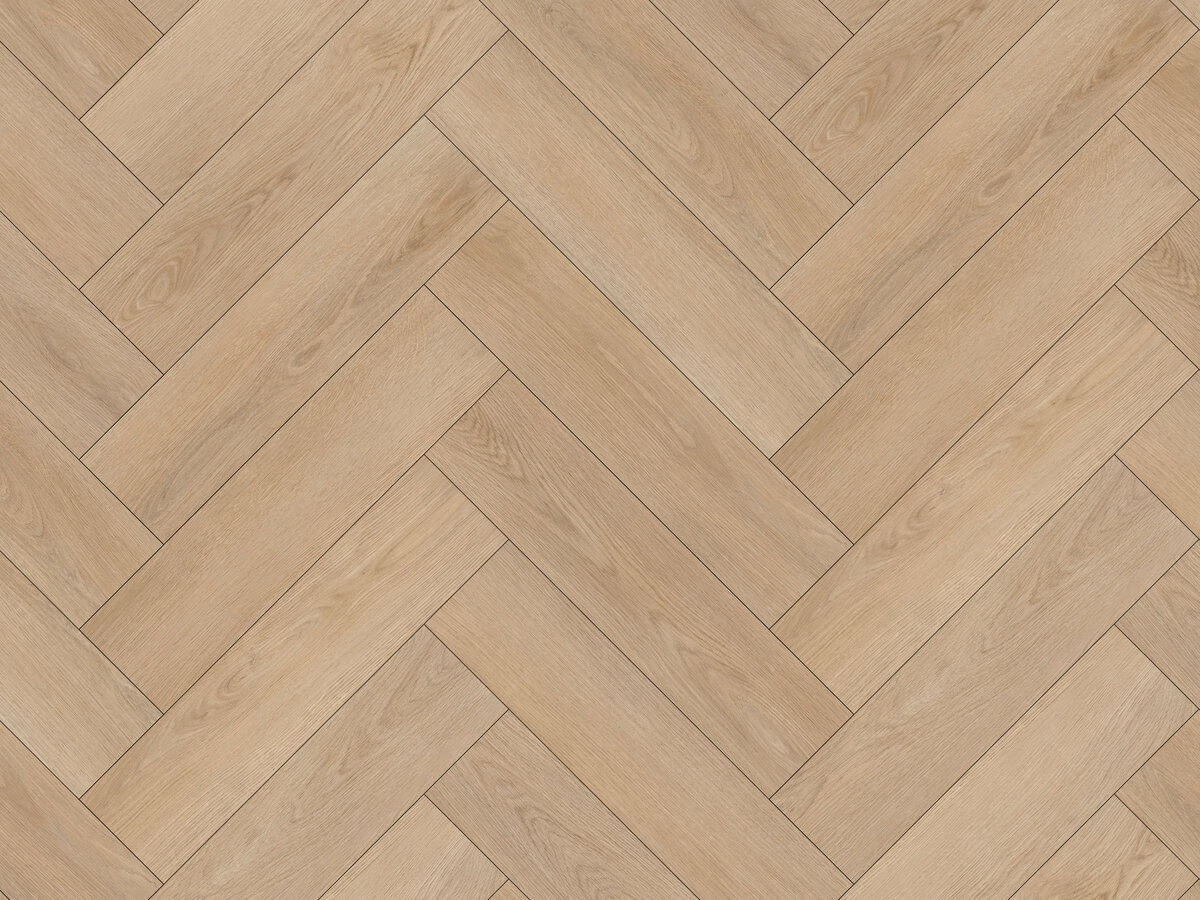
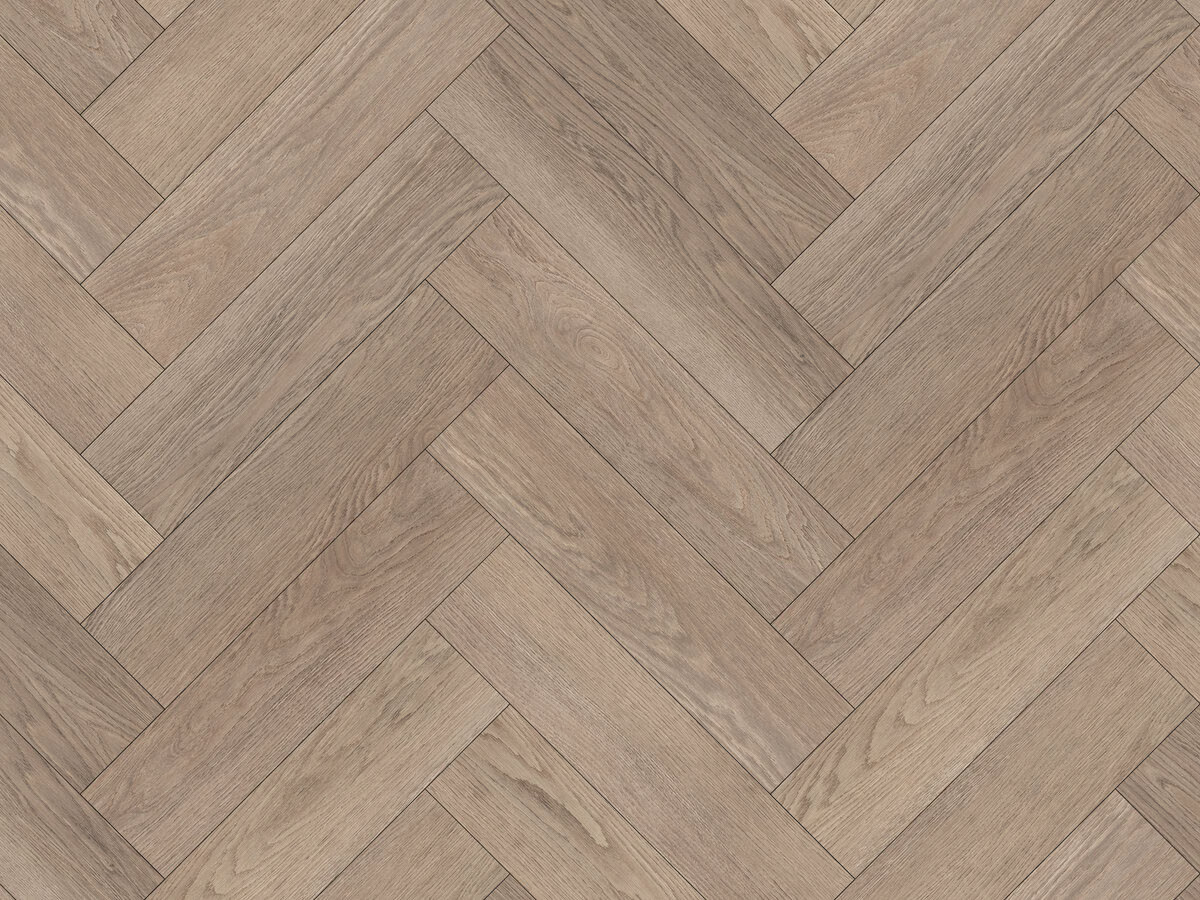
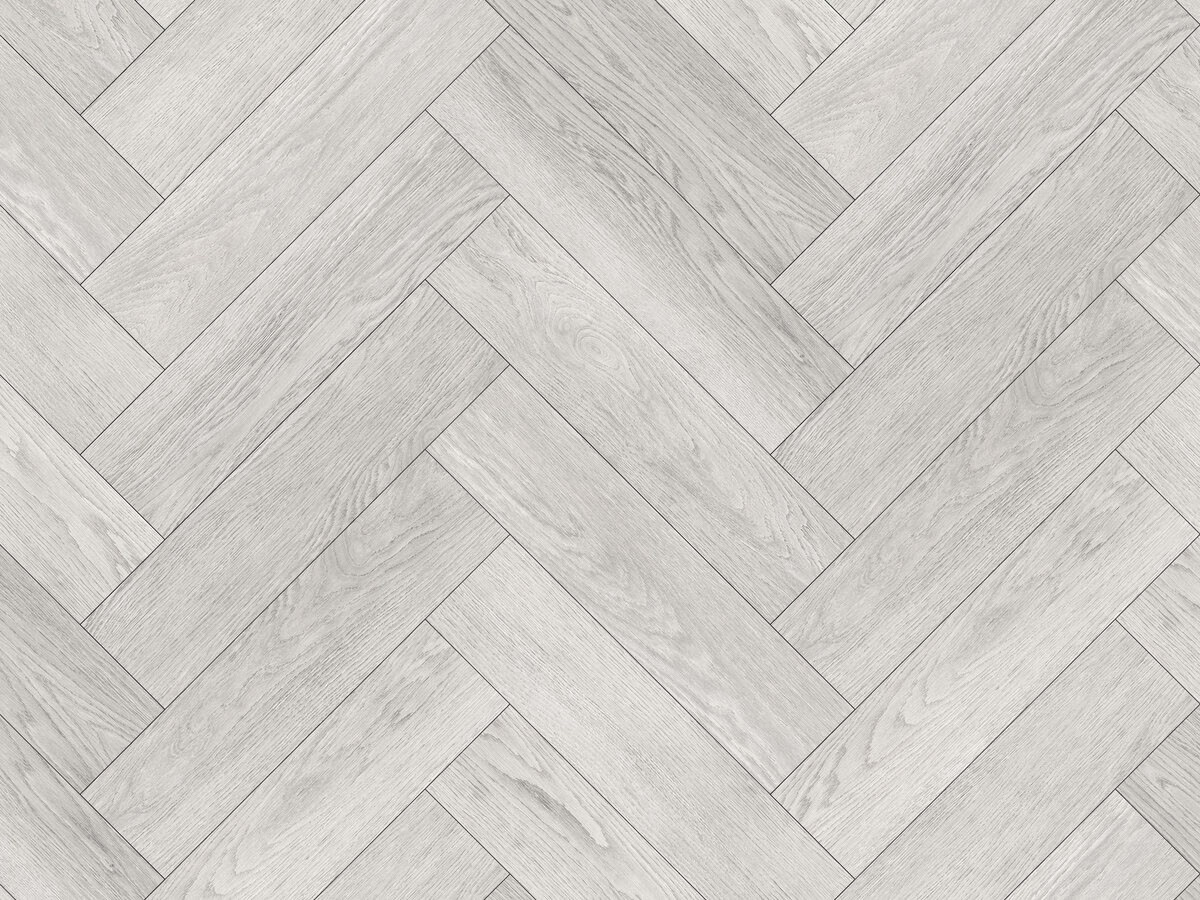
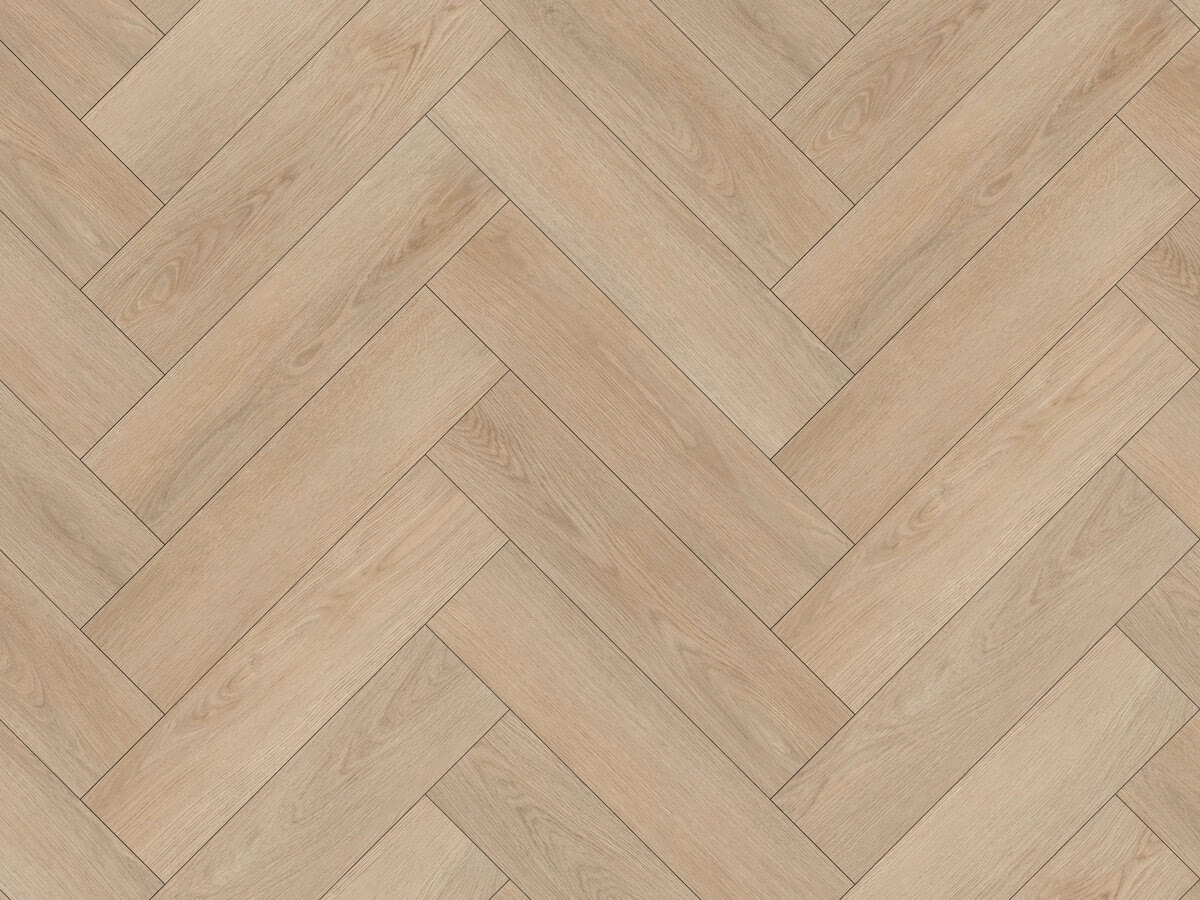
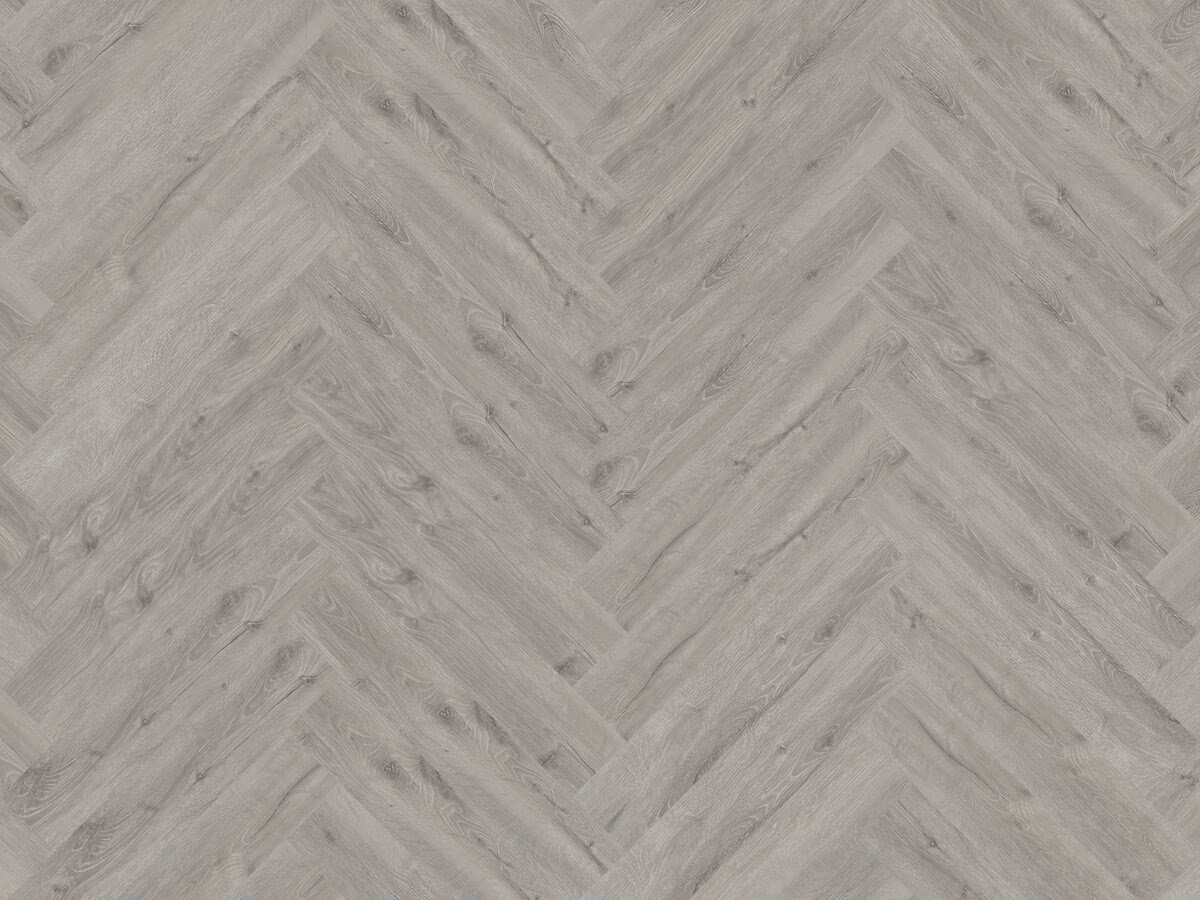
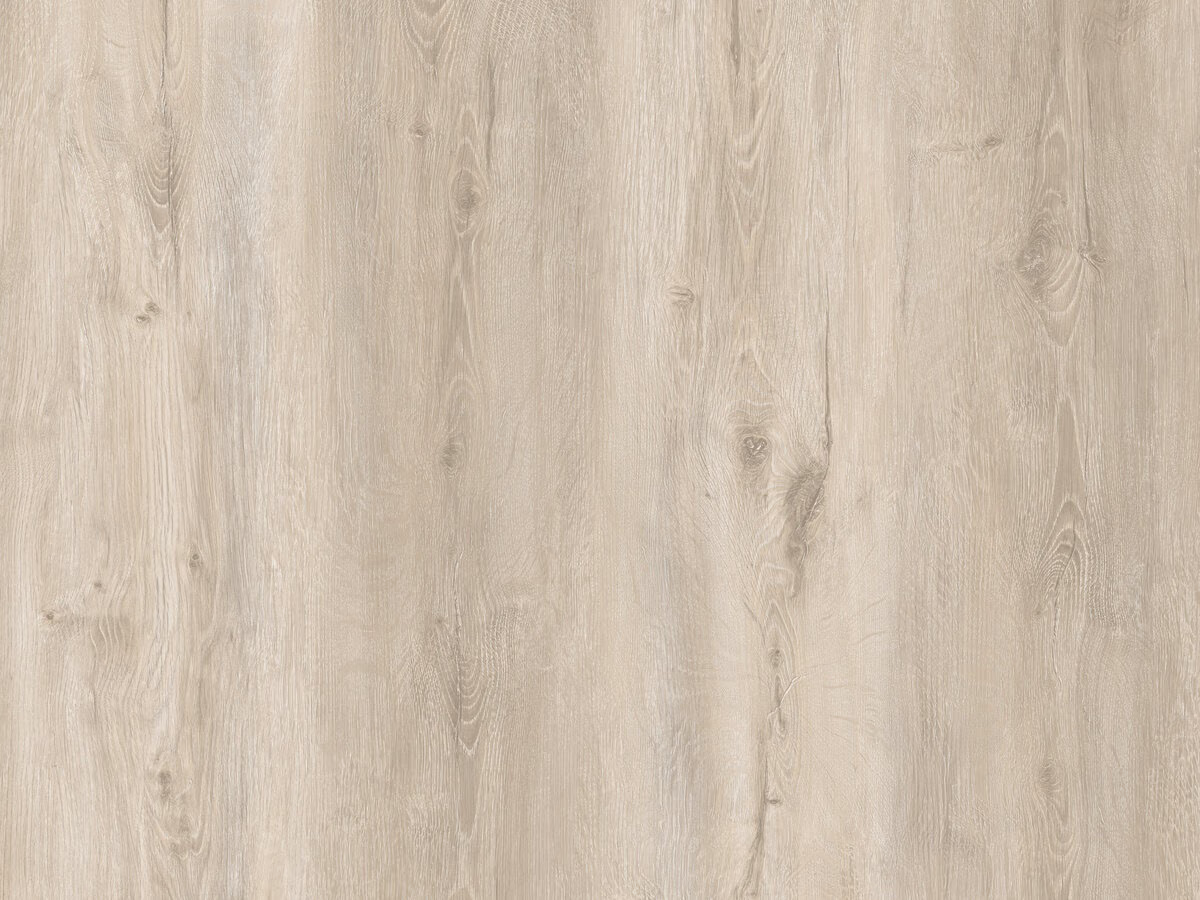
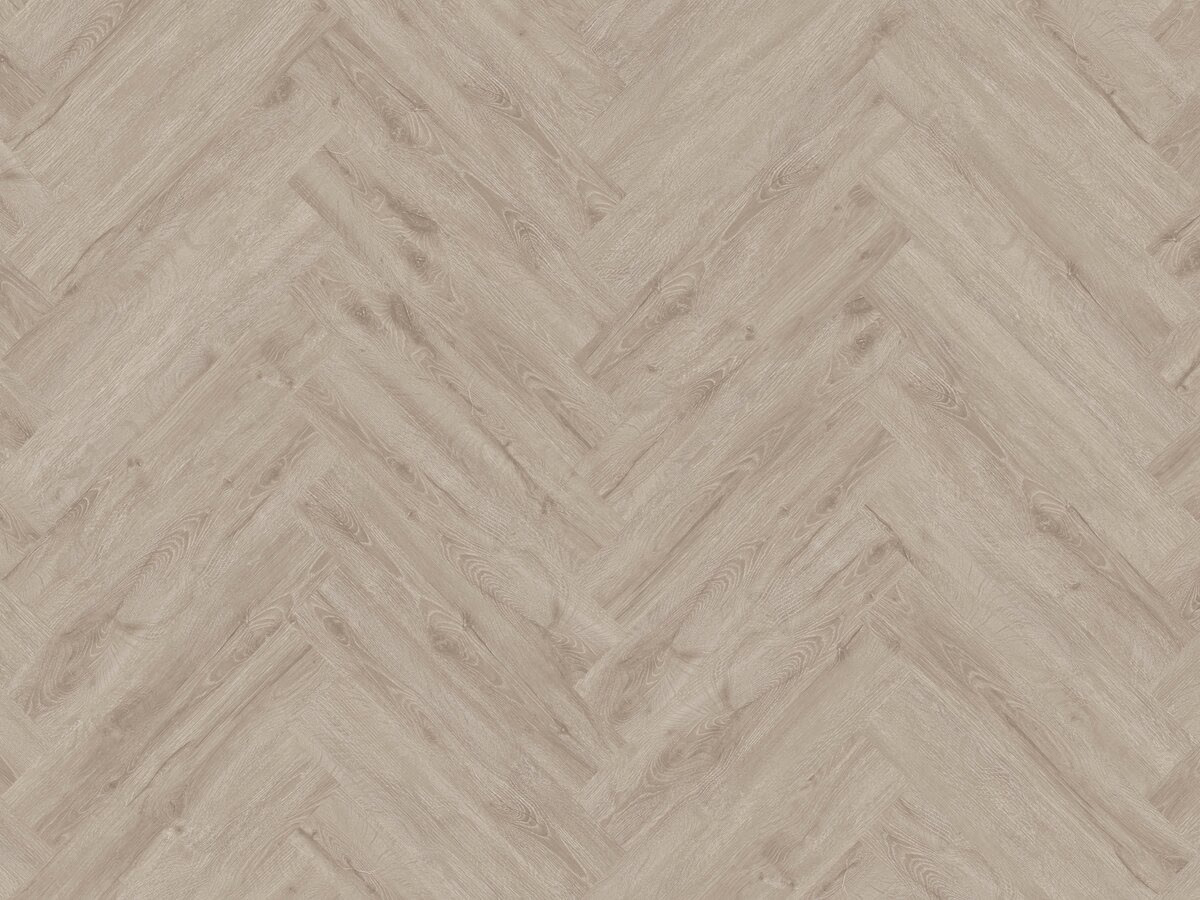
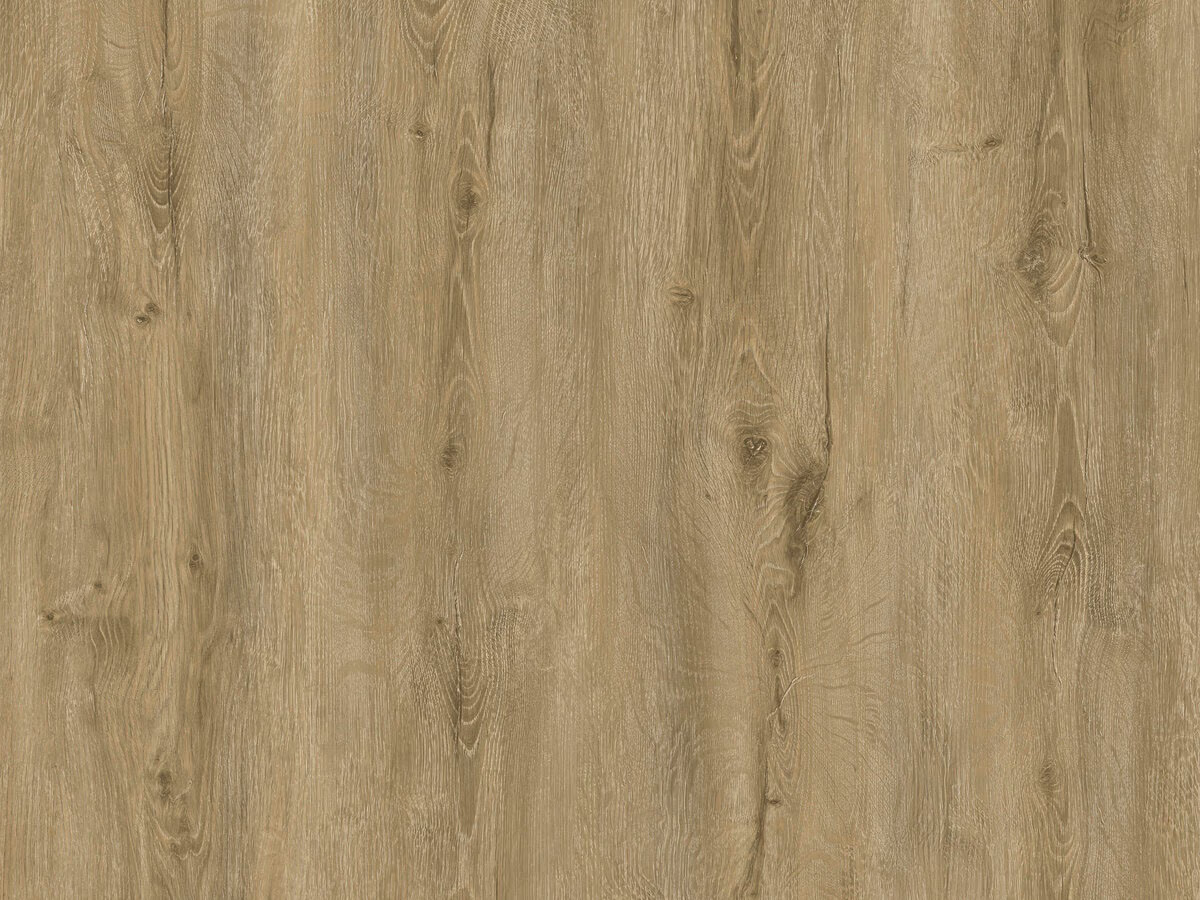
Floating installation, no adhesive, with an integrated underlay that dampens impact sound immediately. Our click floors come in 5 and 6 mm, in herringbone, plank and tile.
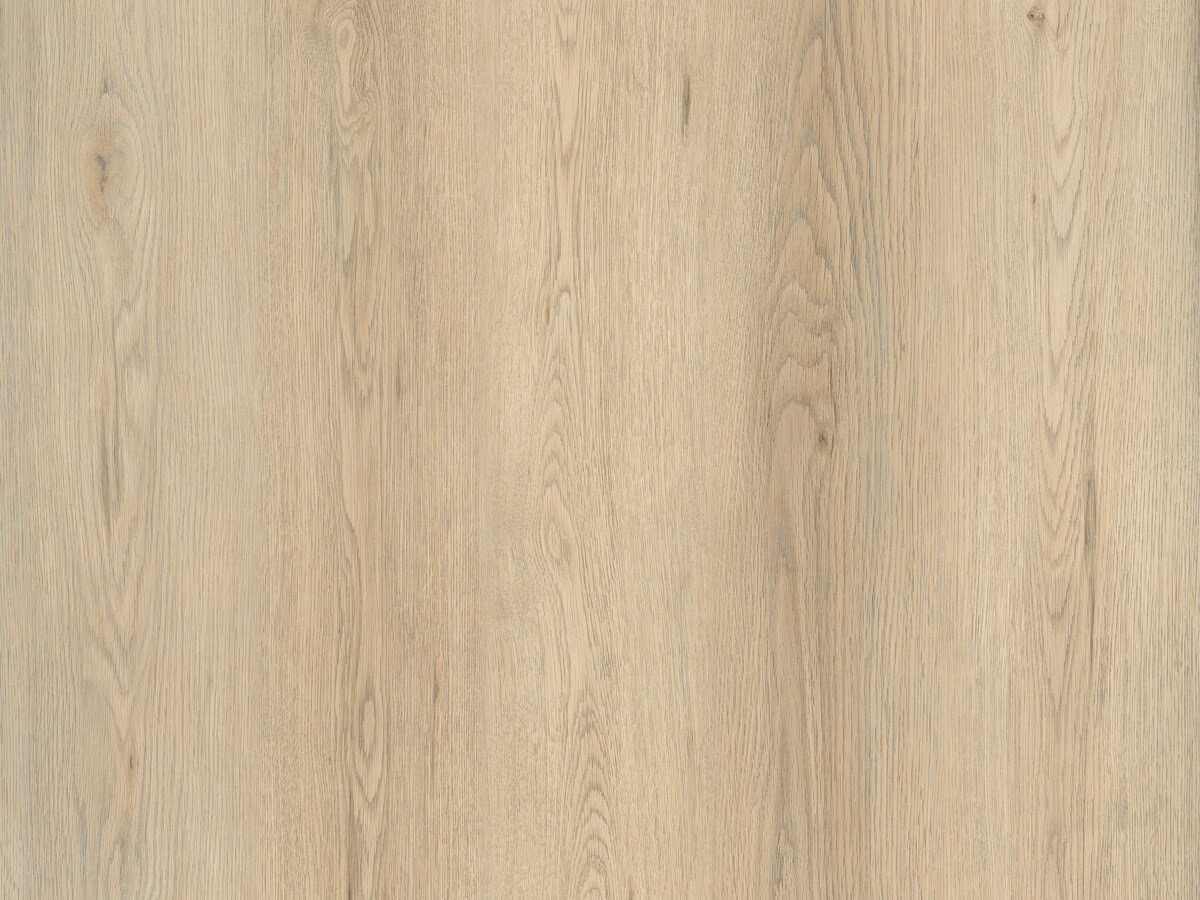
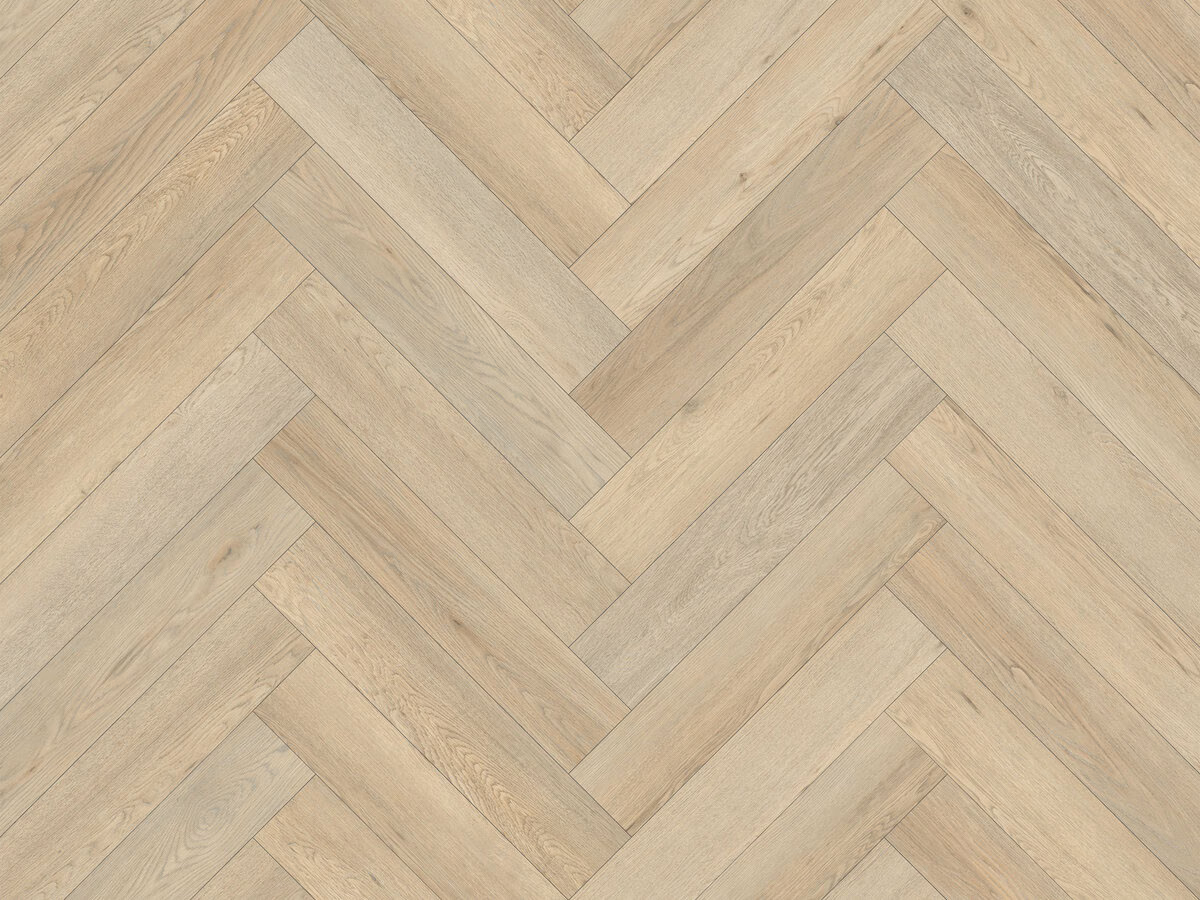
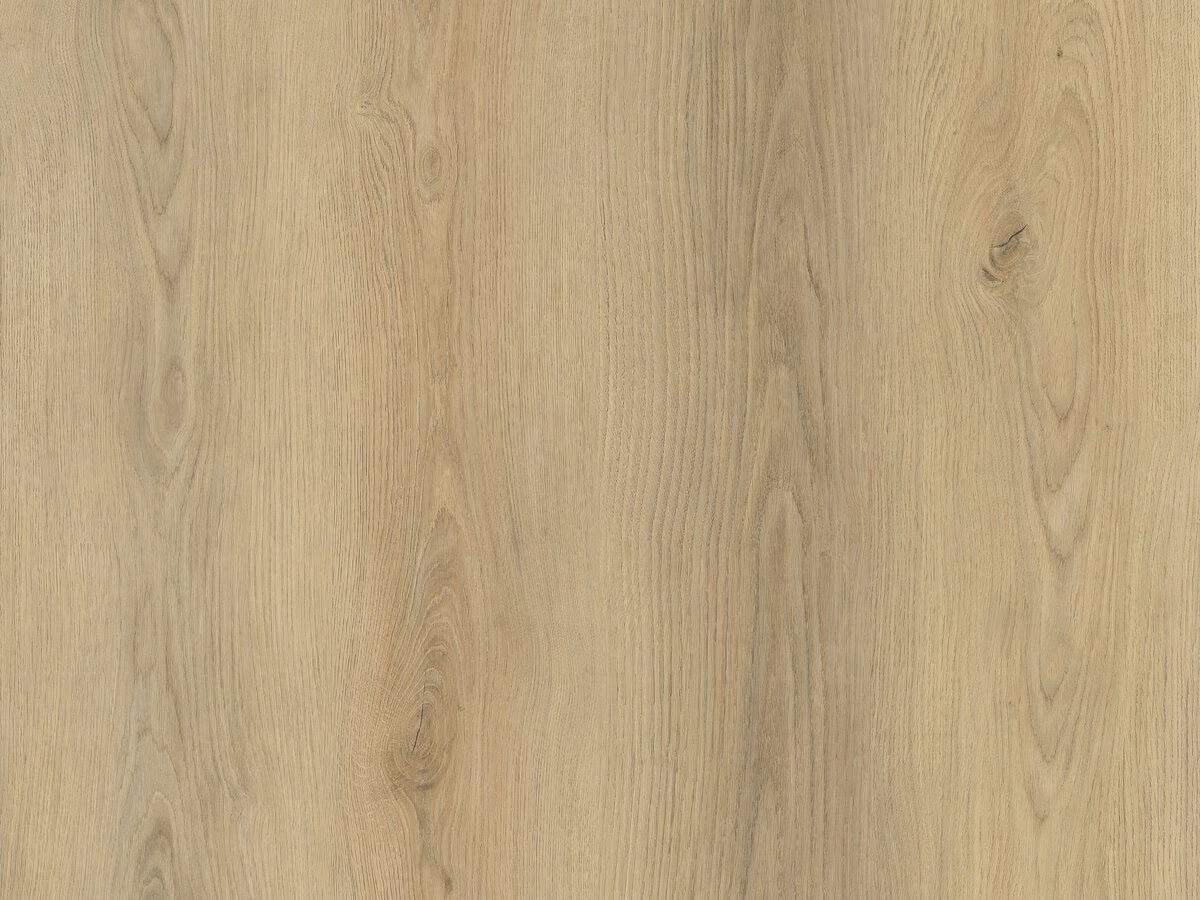
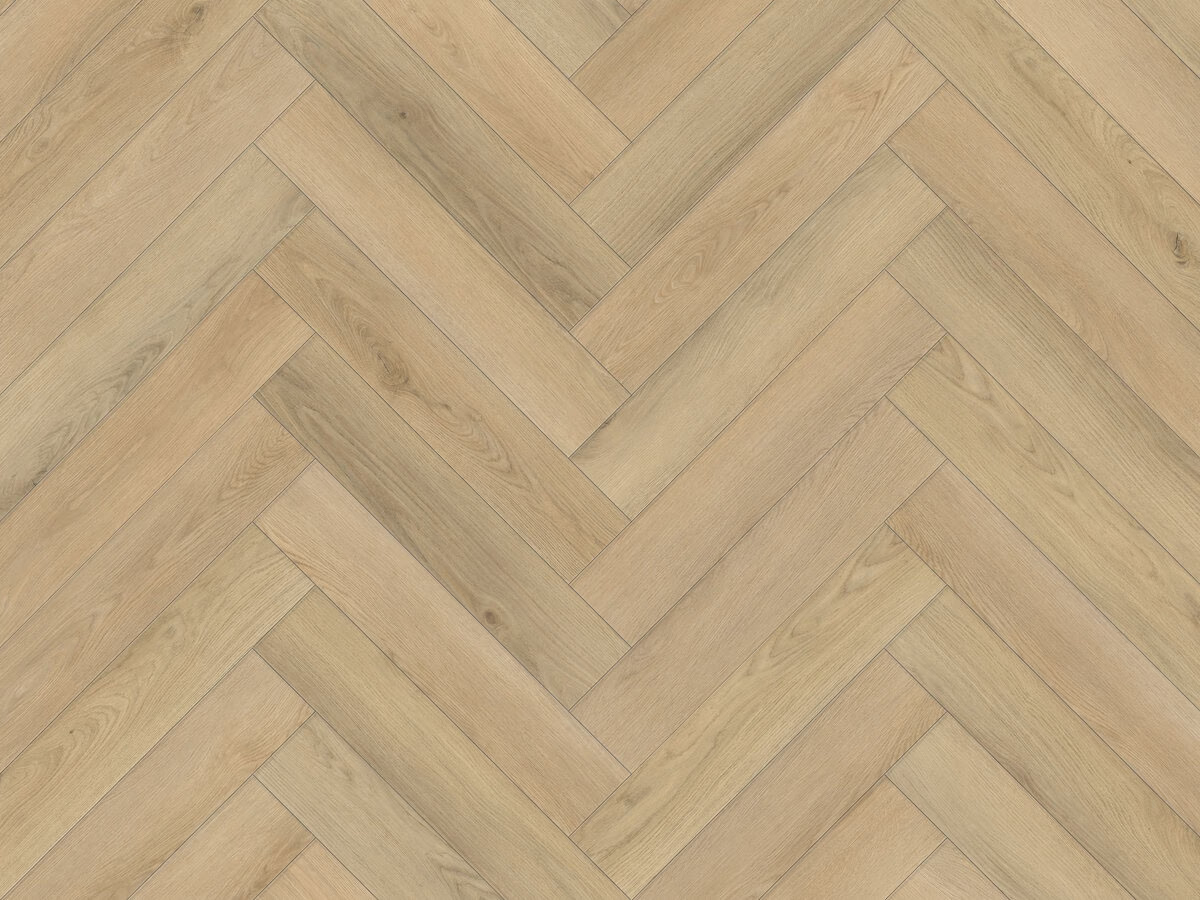
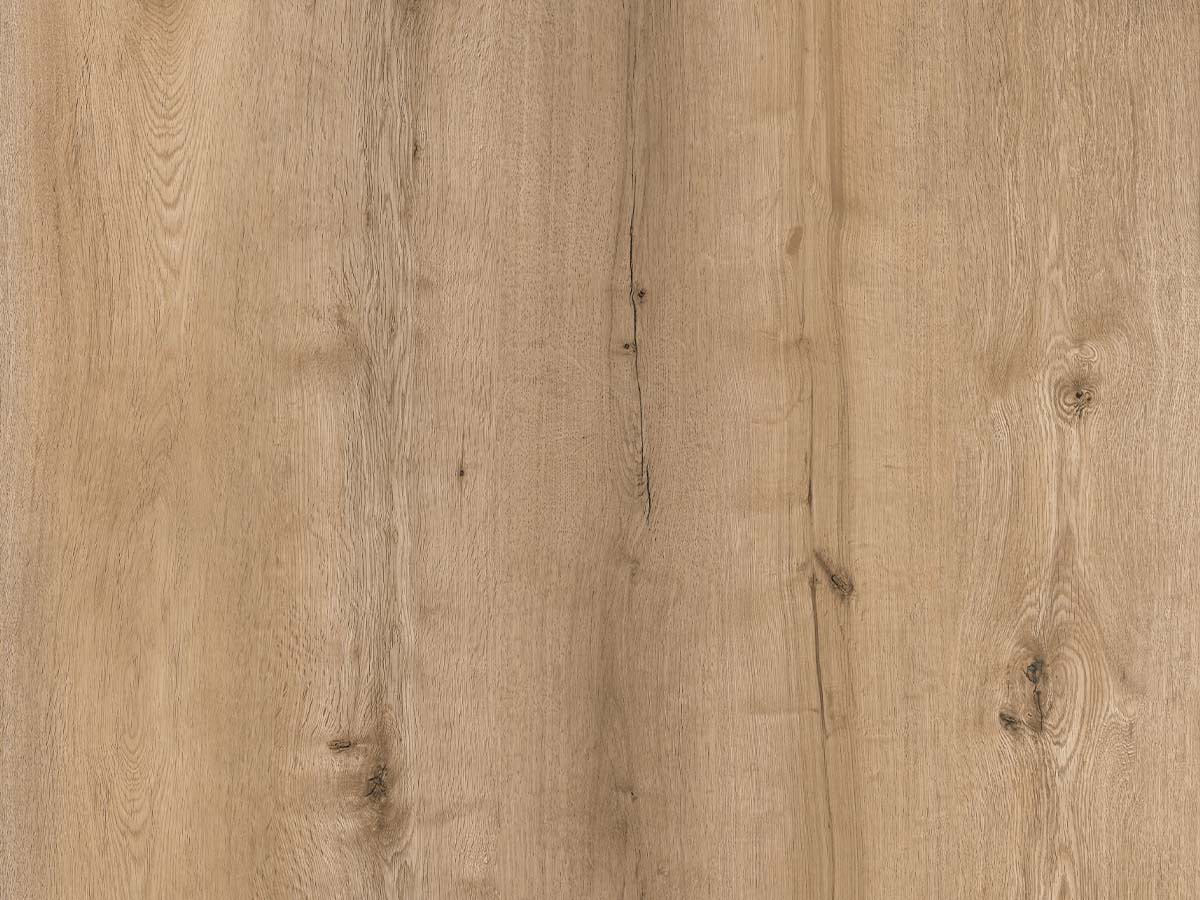
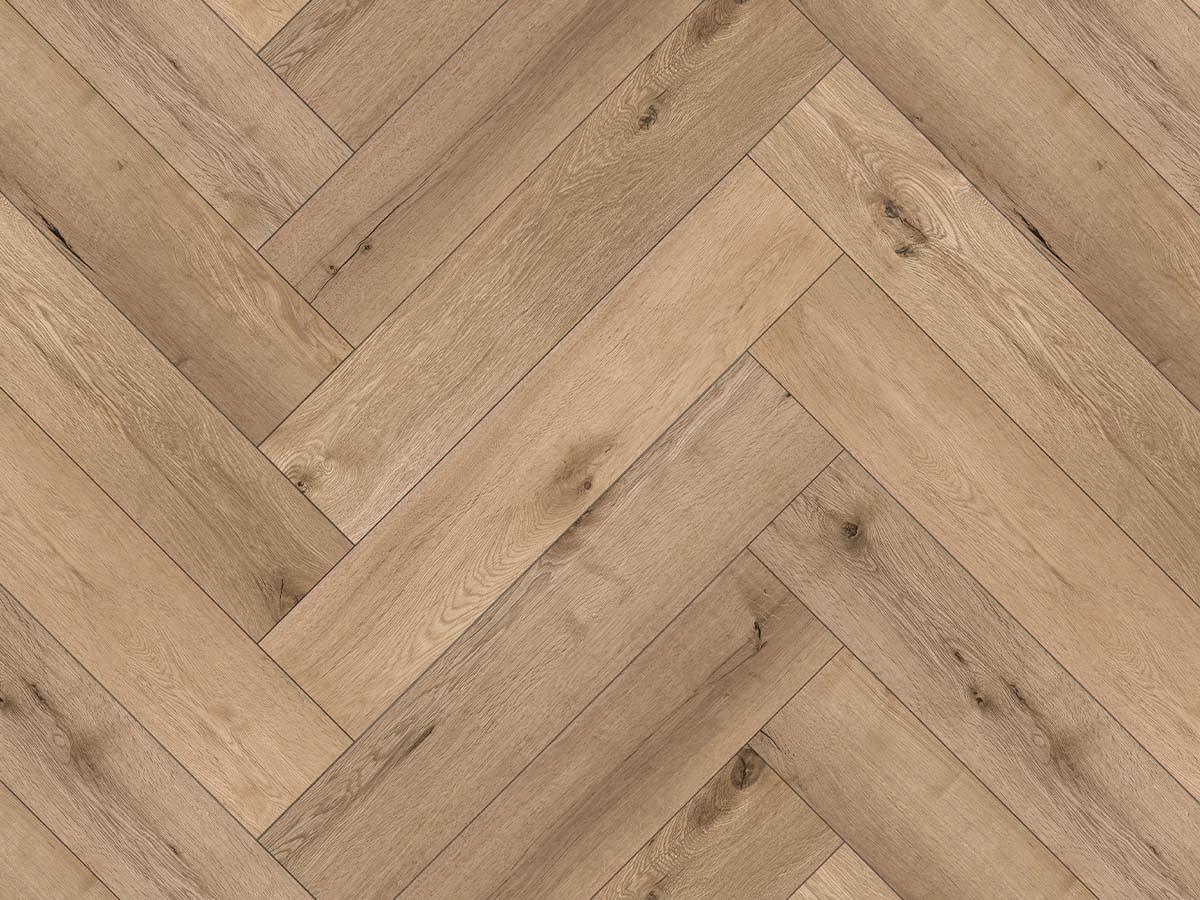
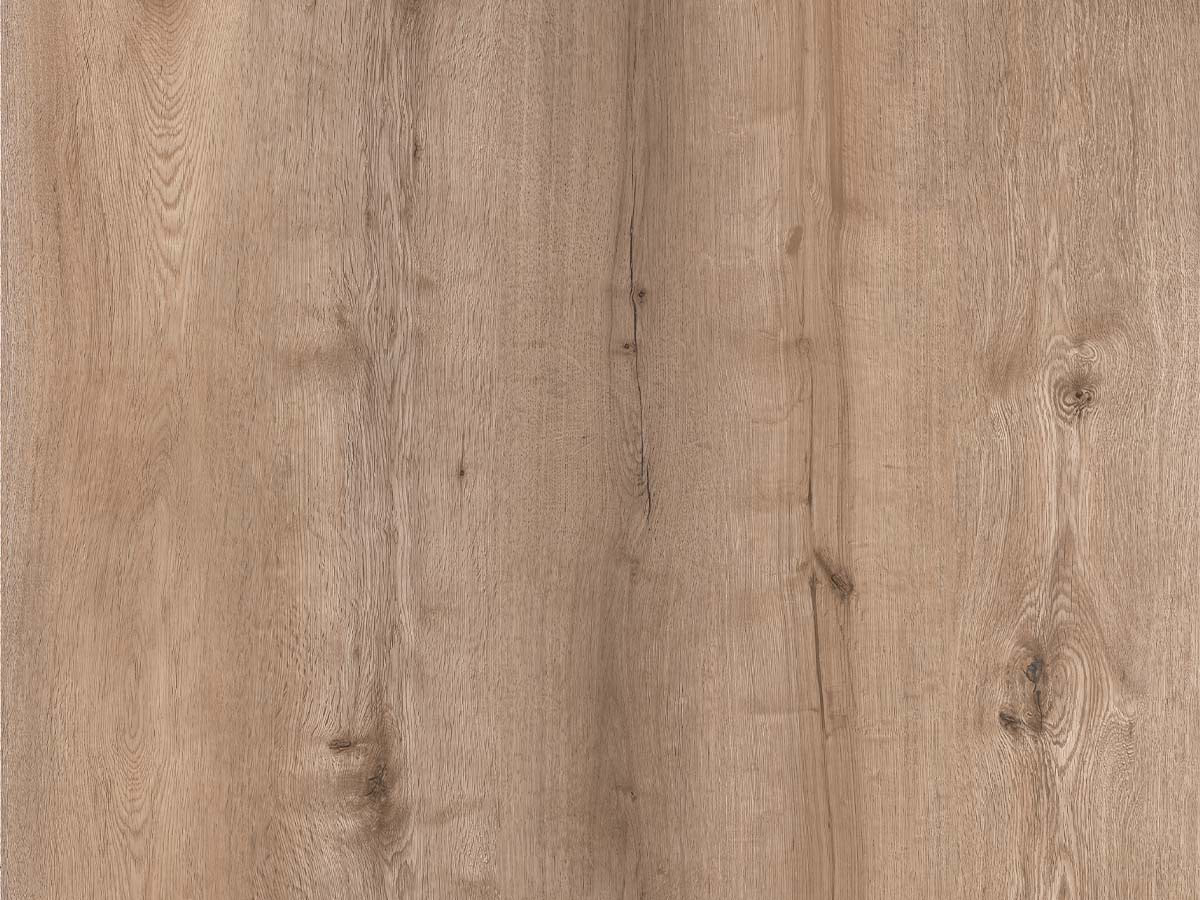
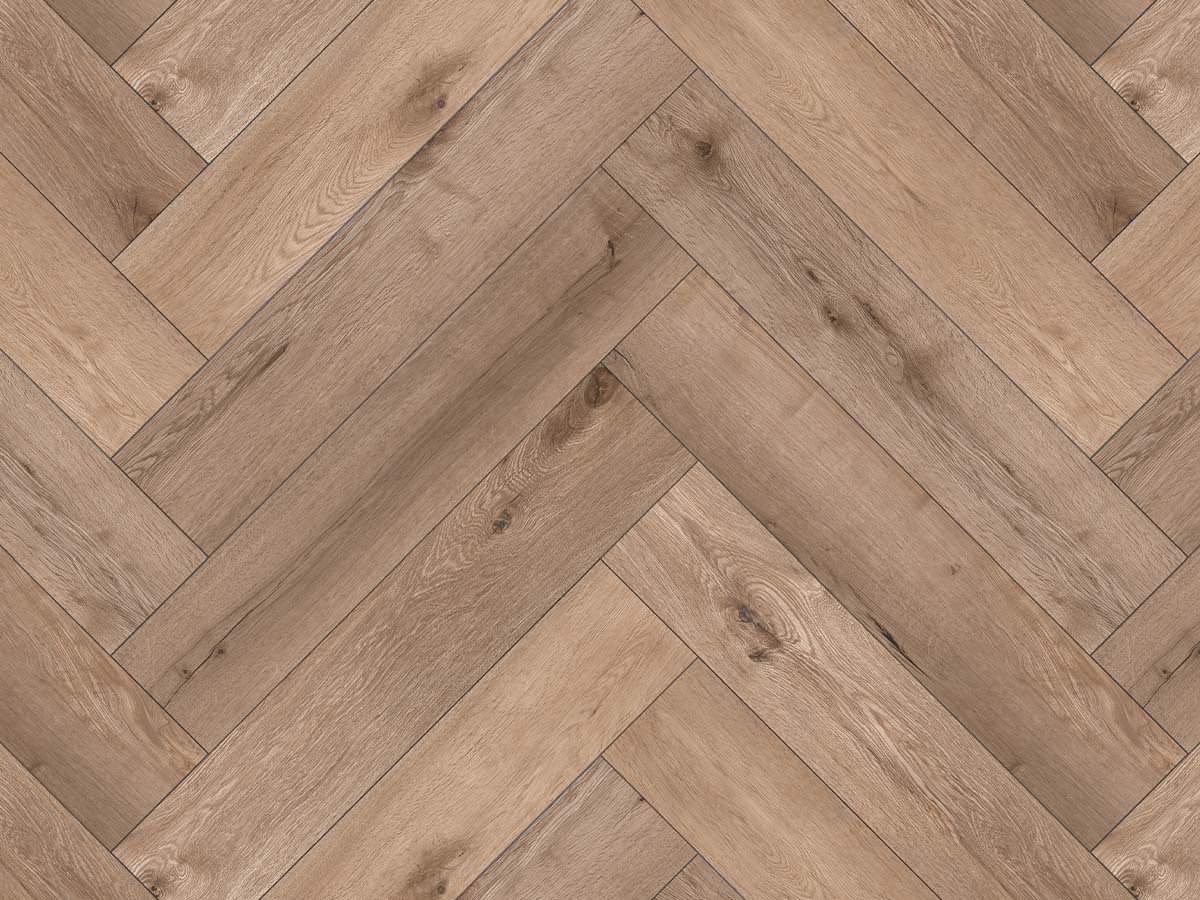
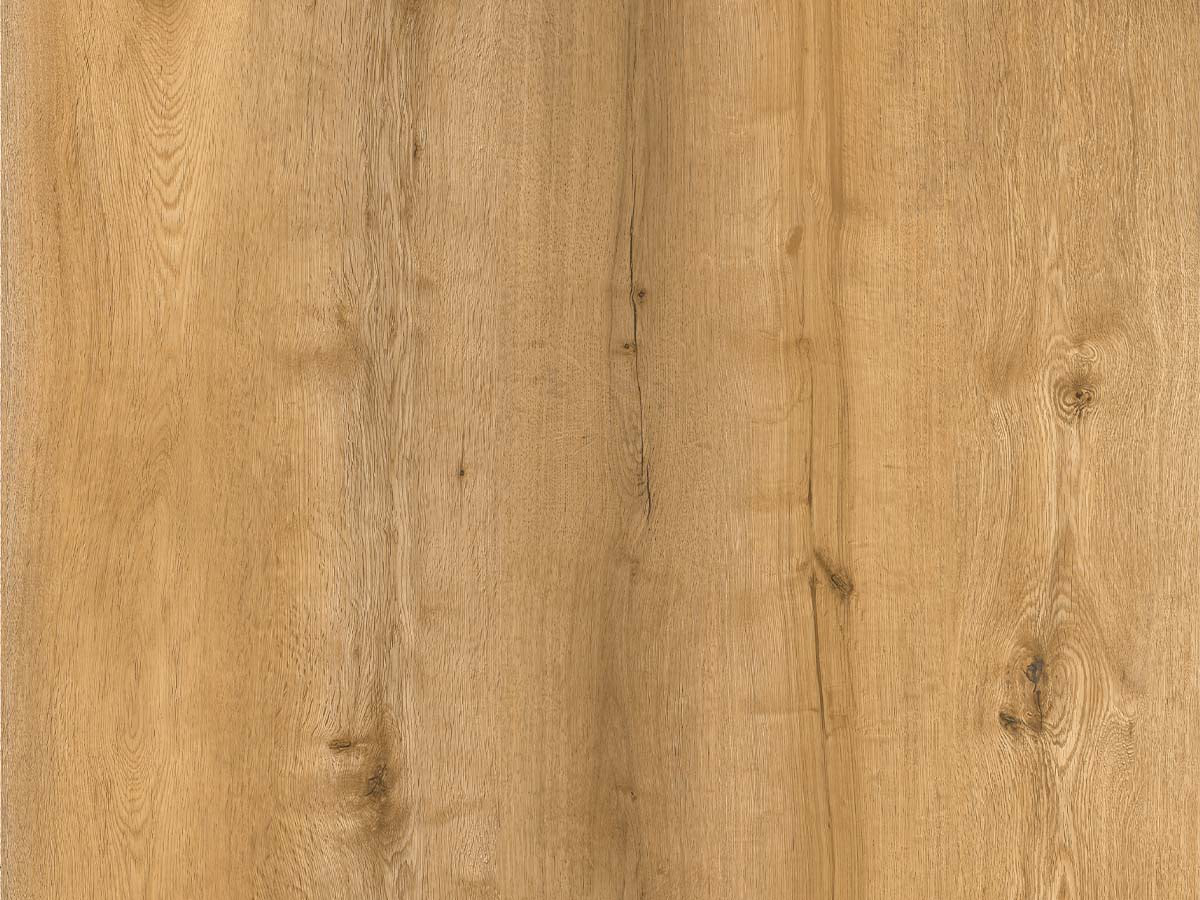
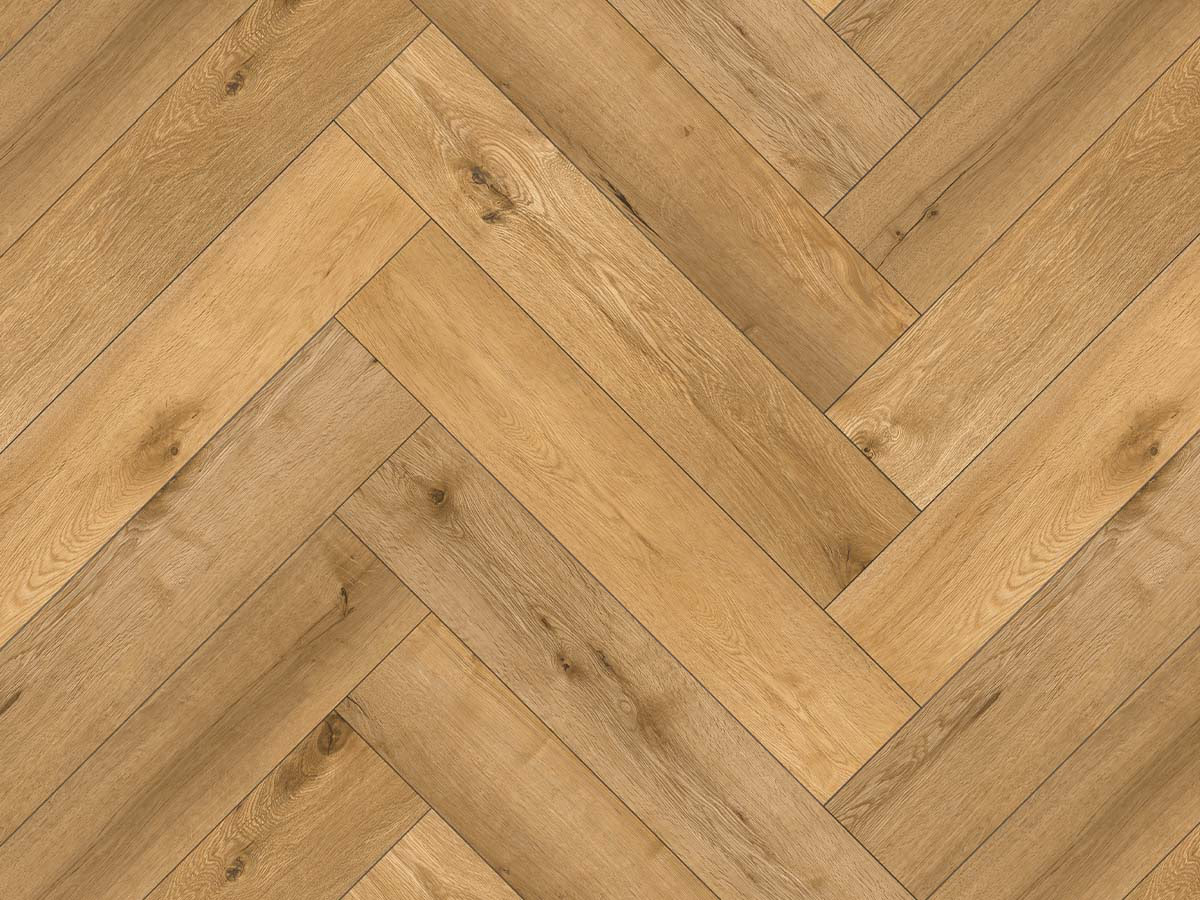
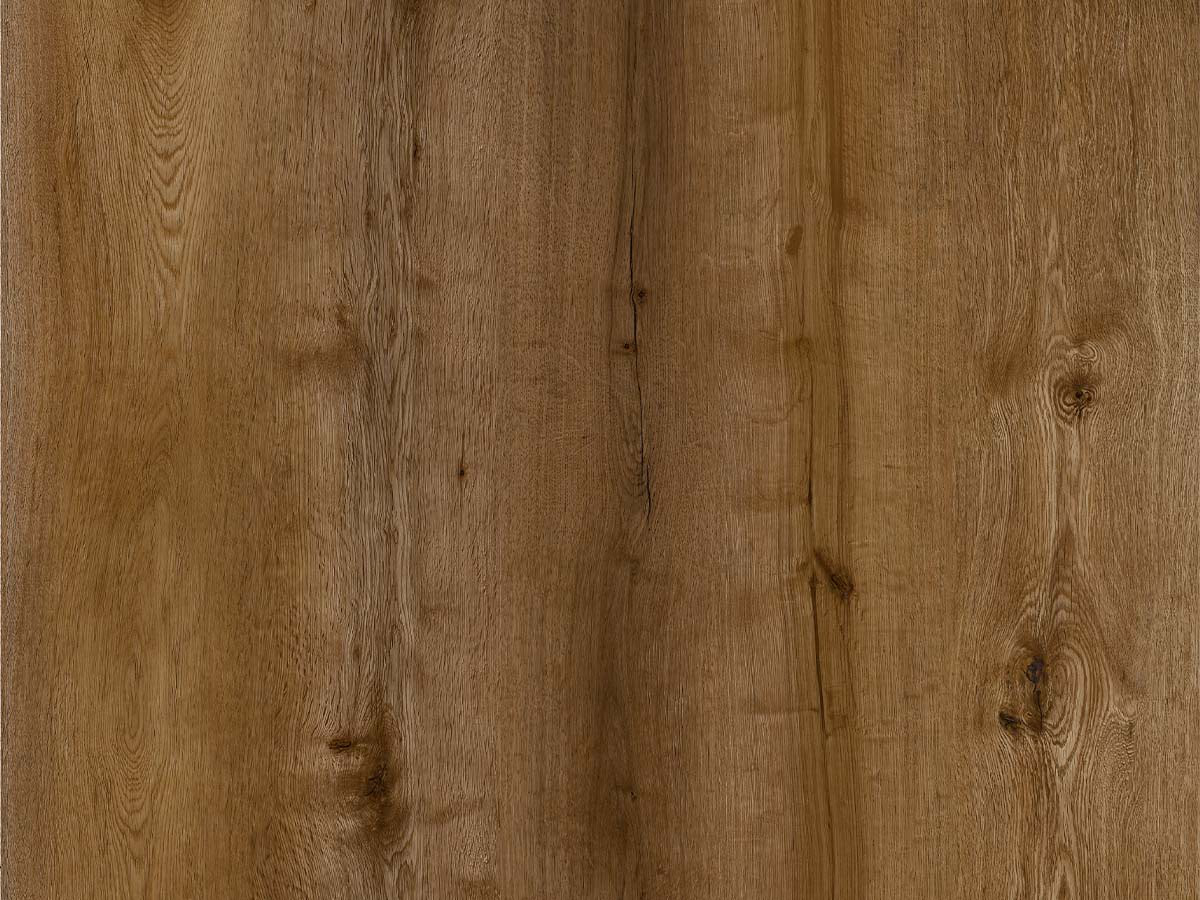
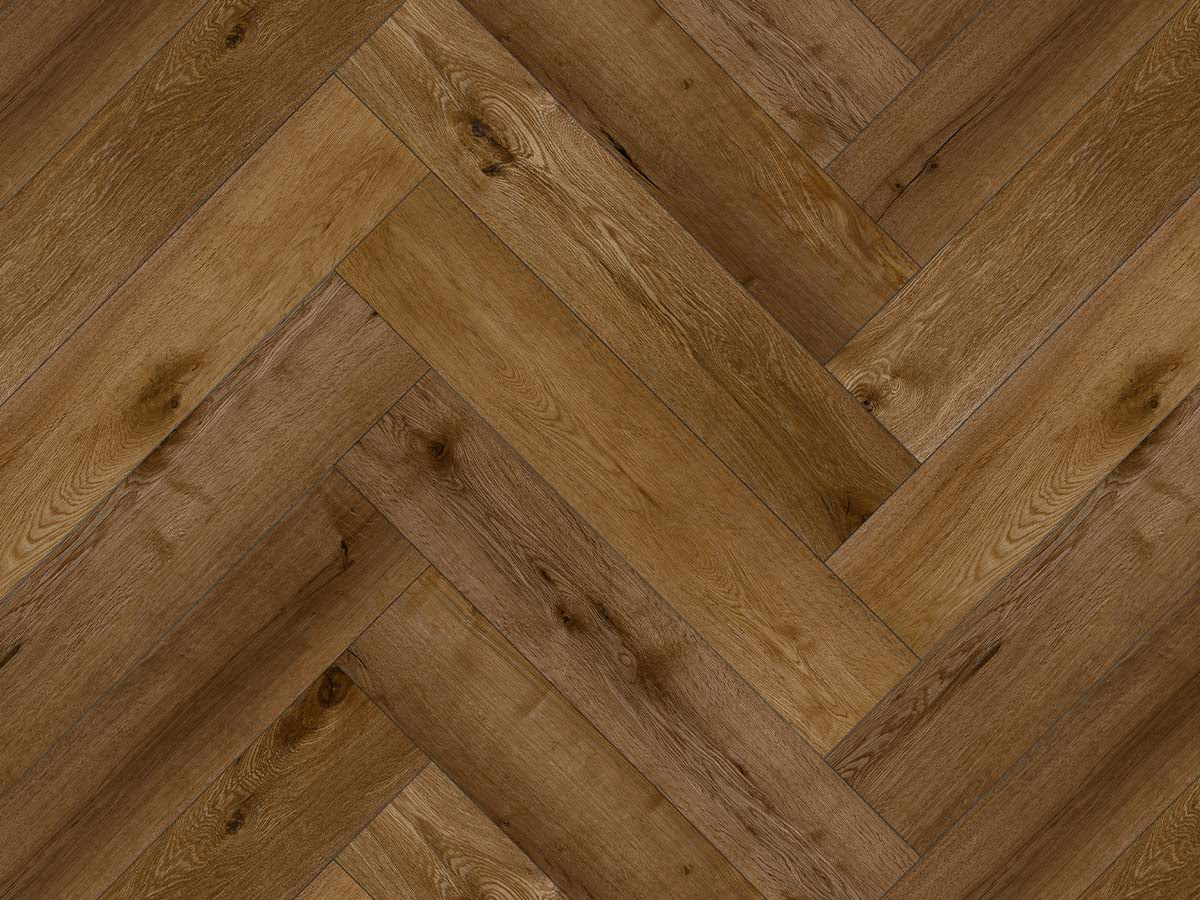







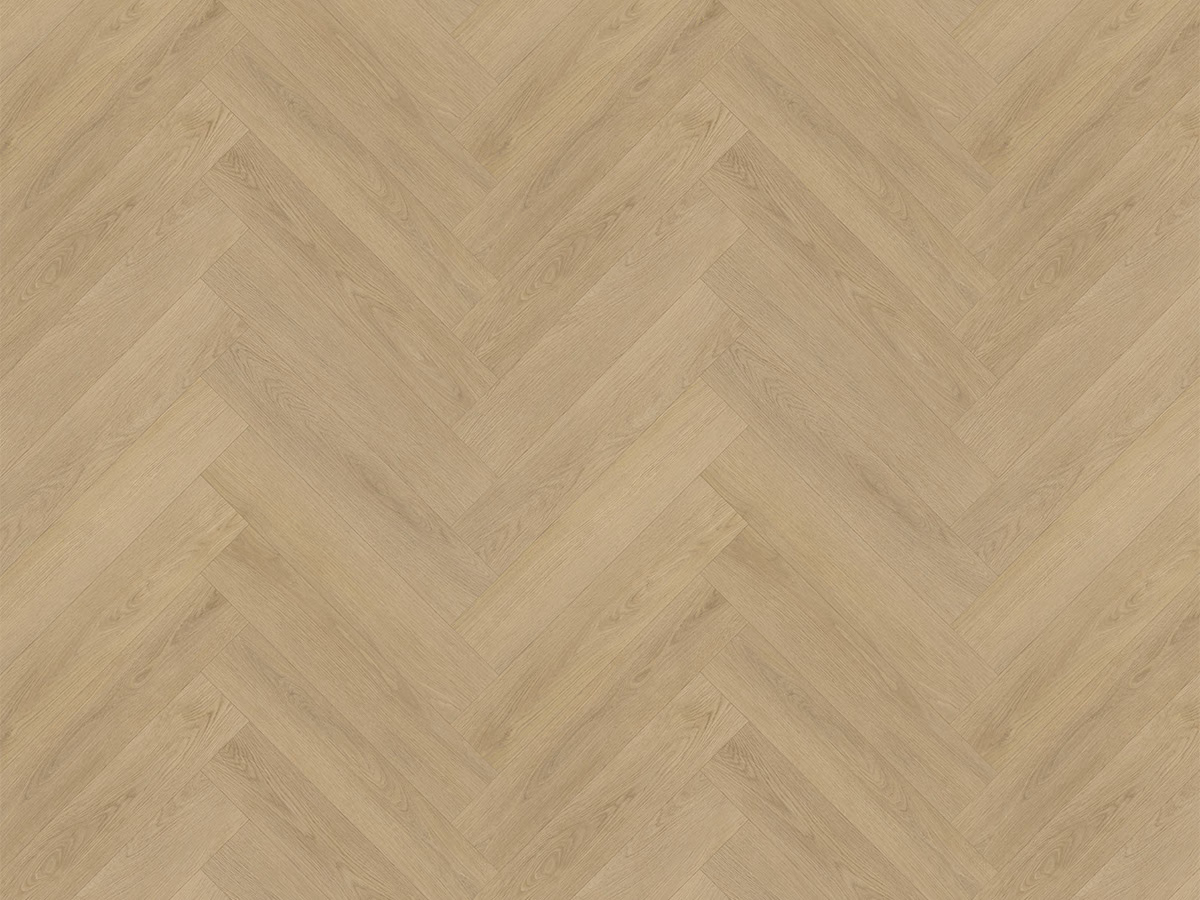
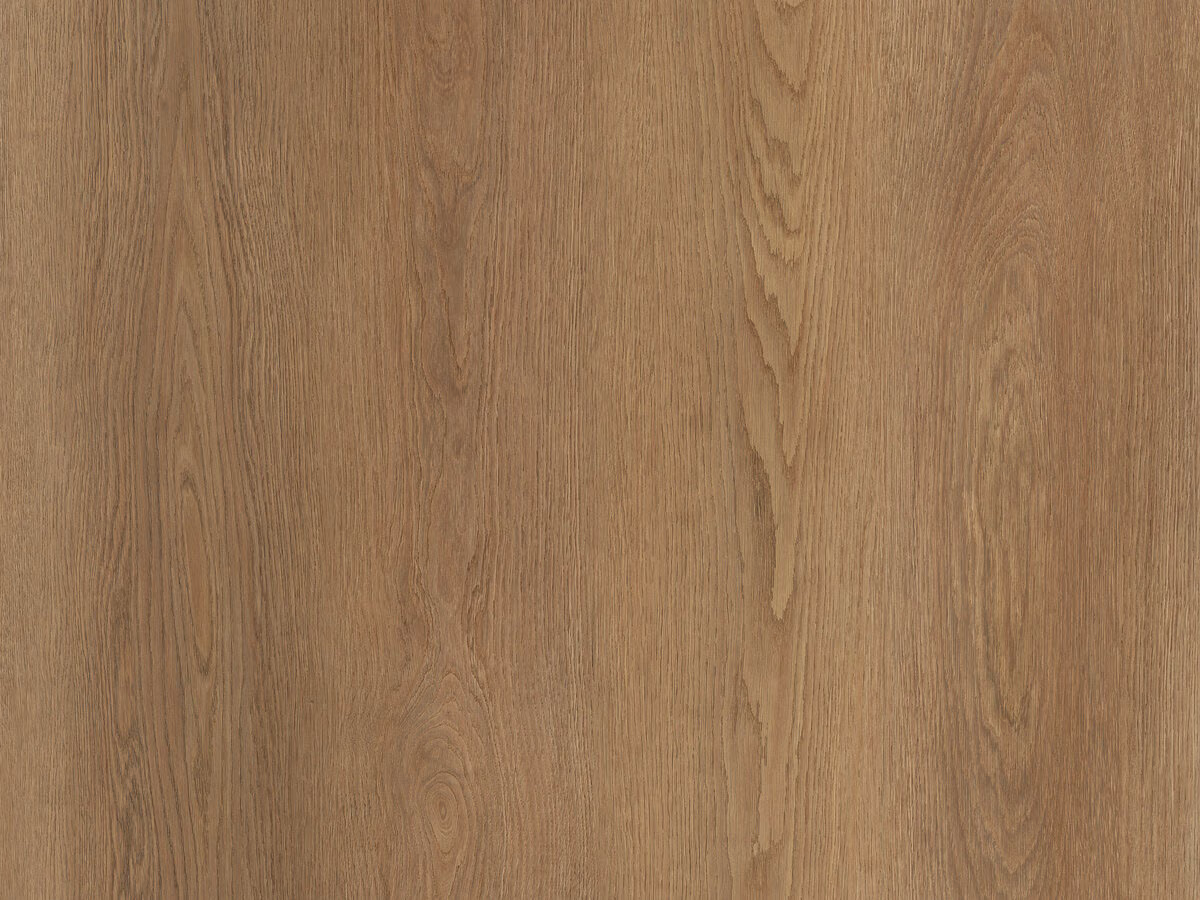
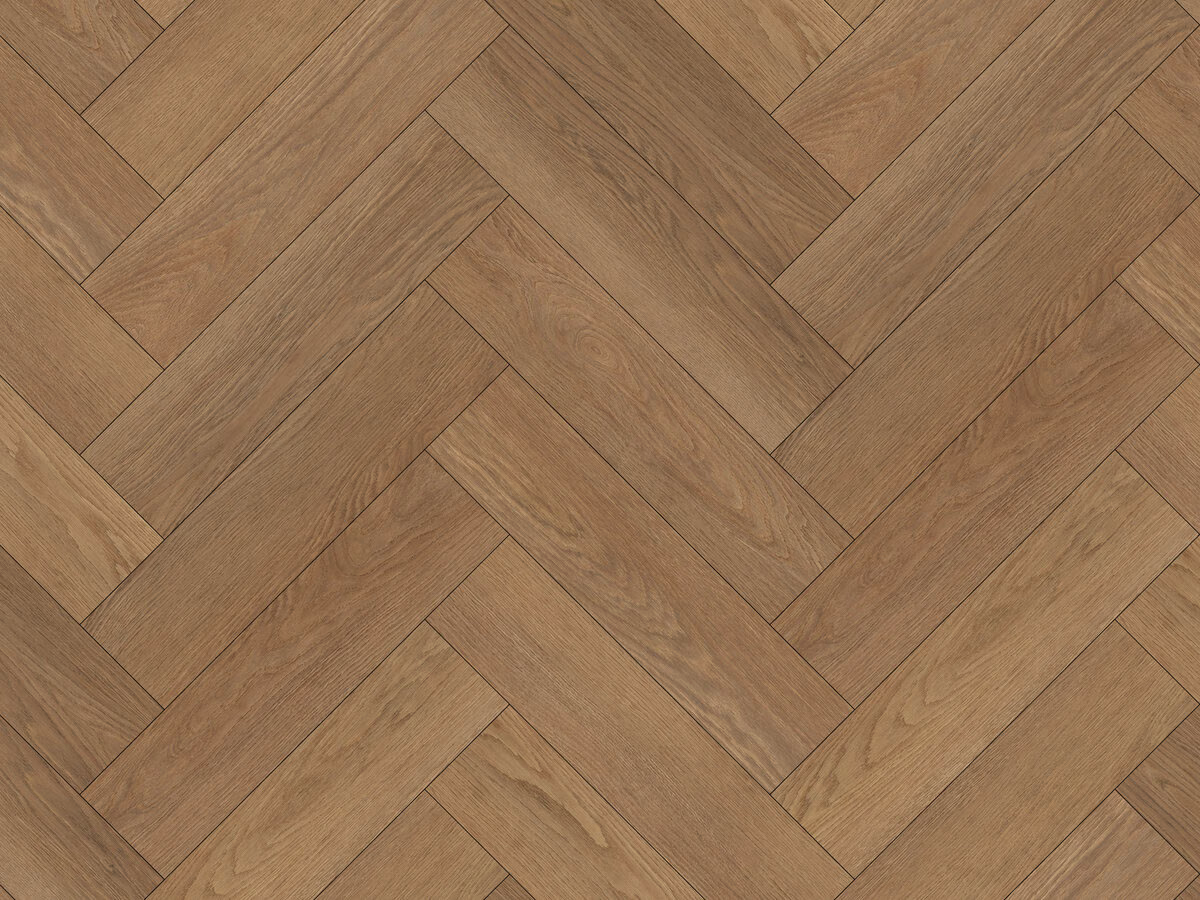

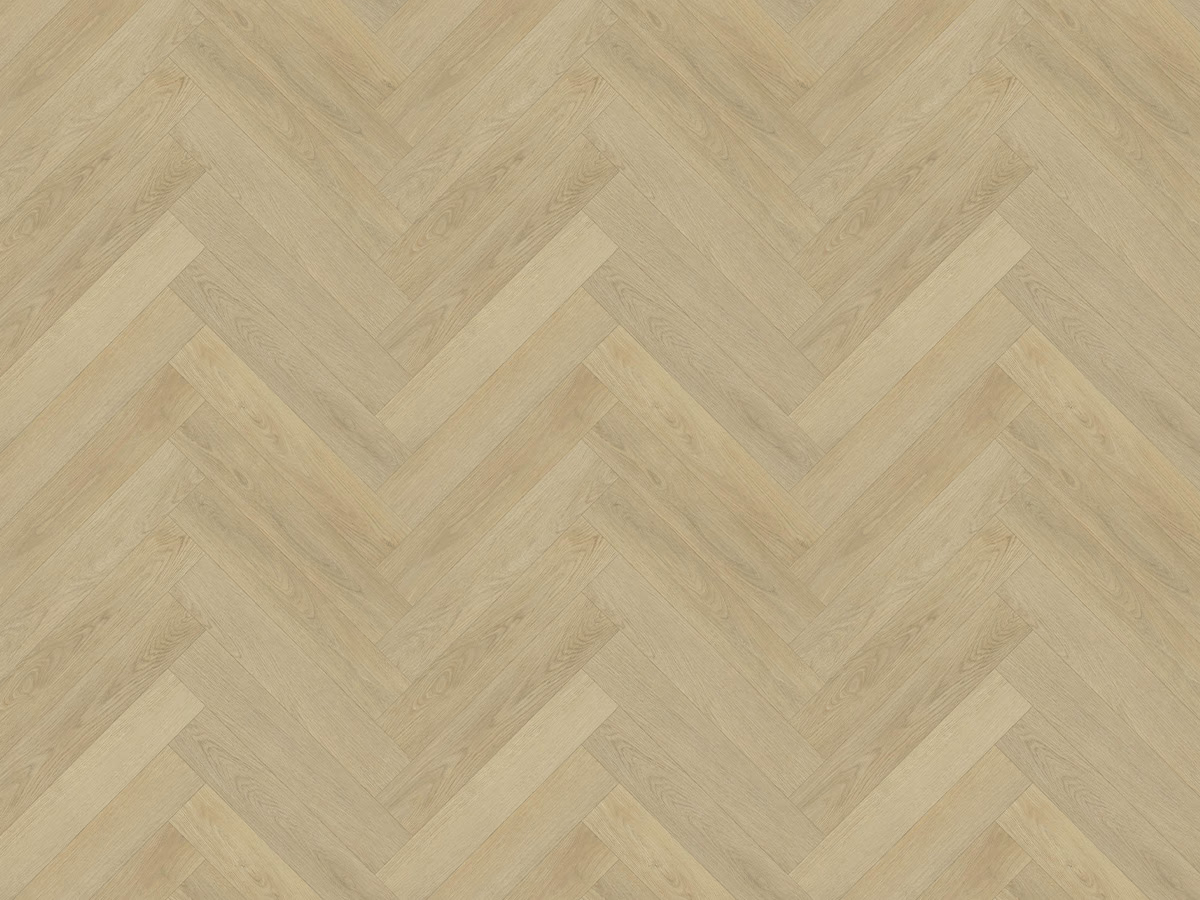



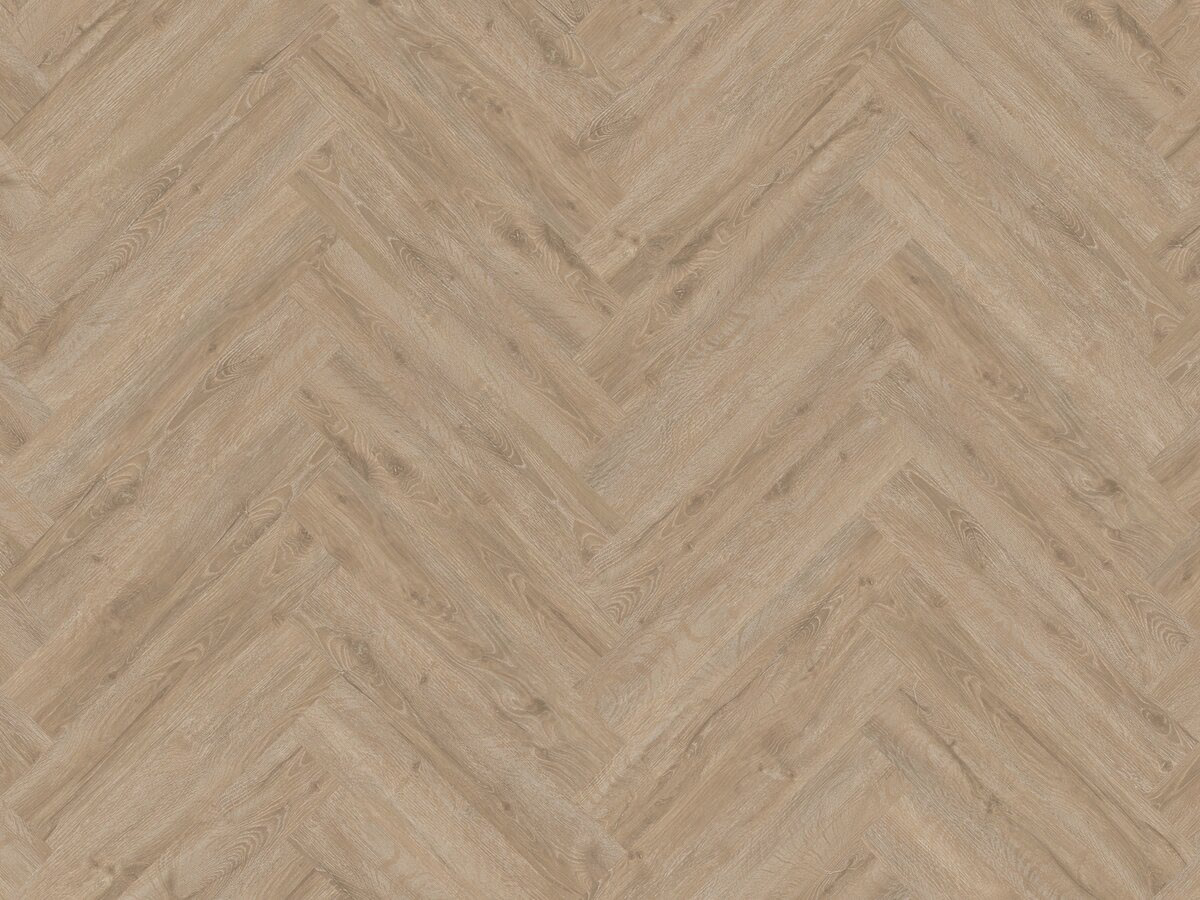
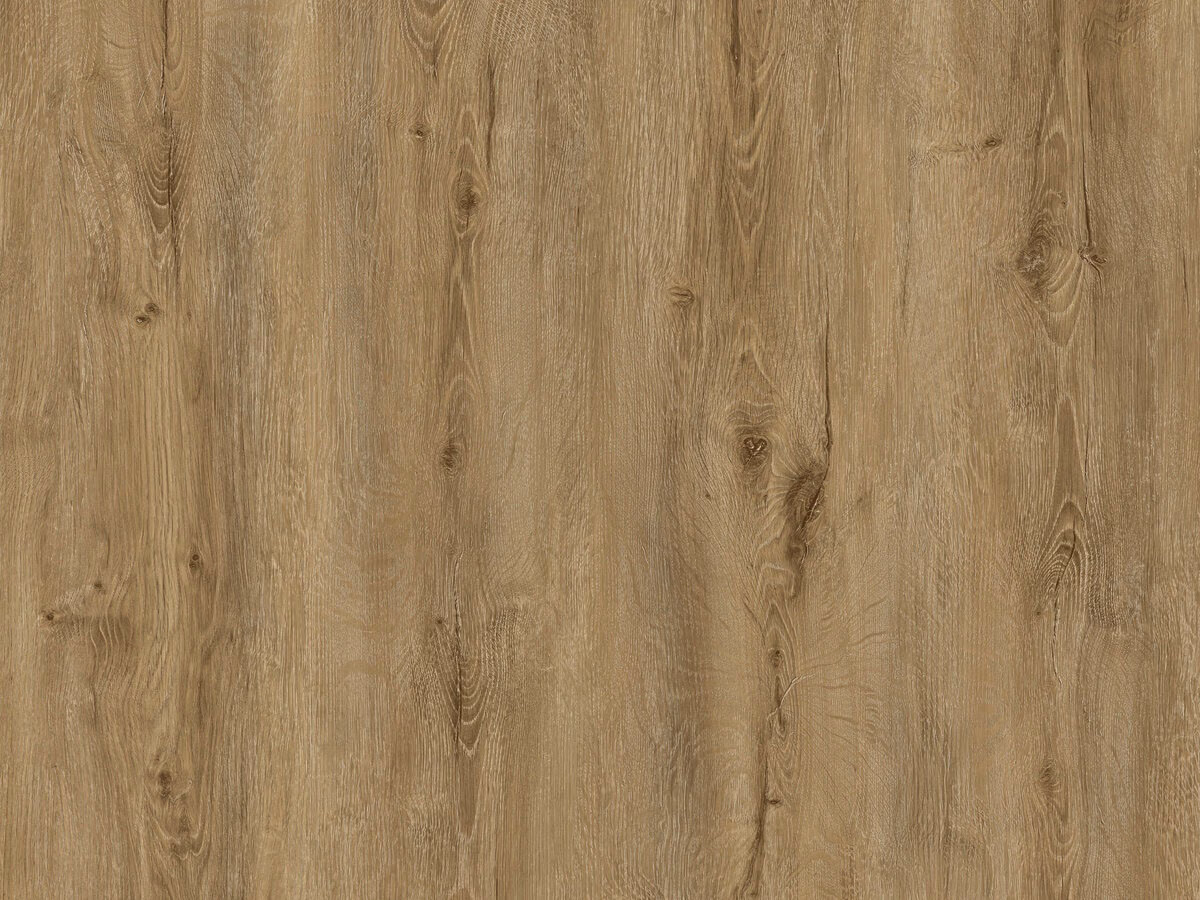
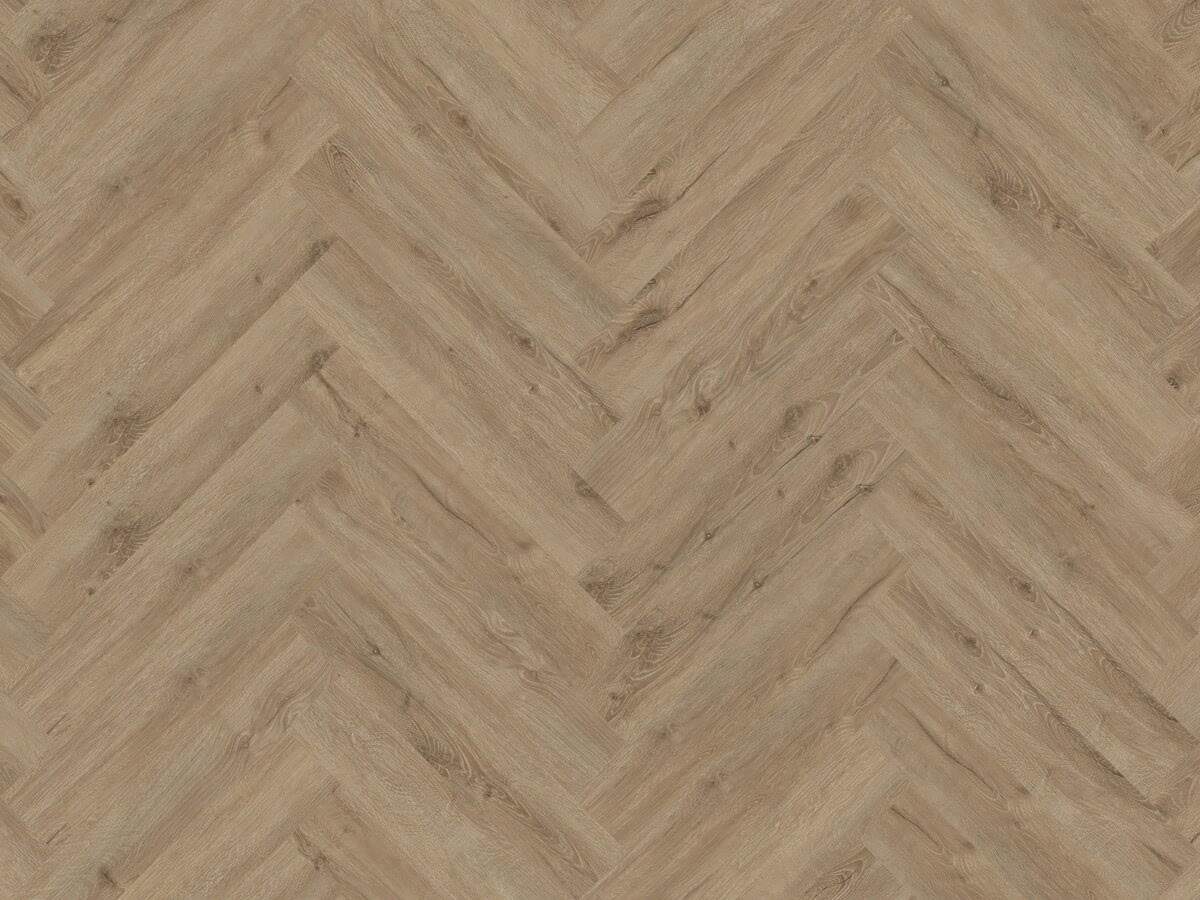
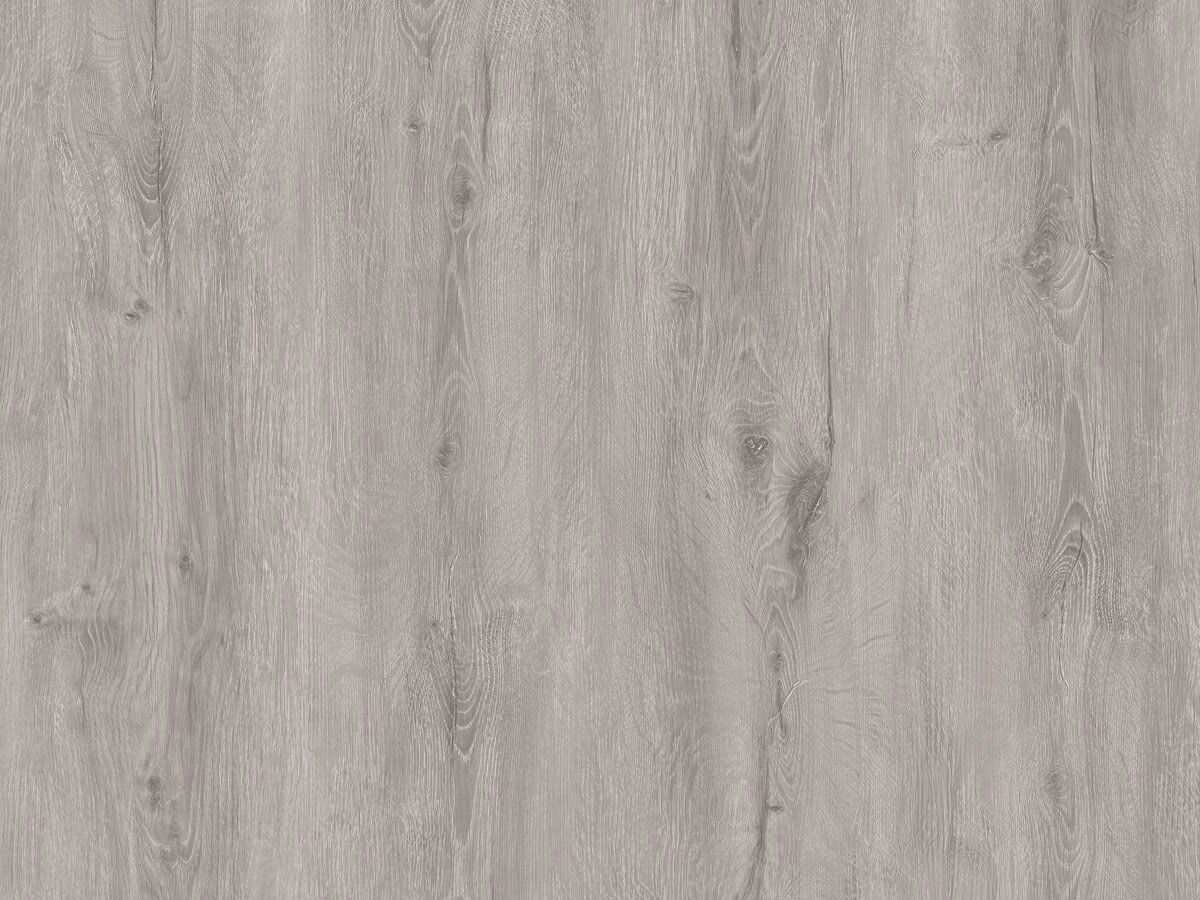
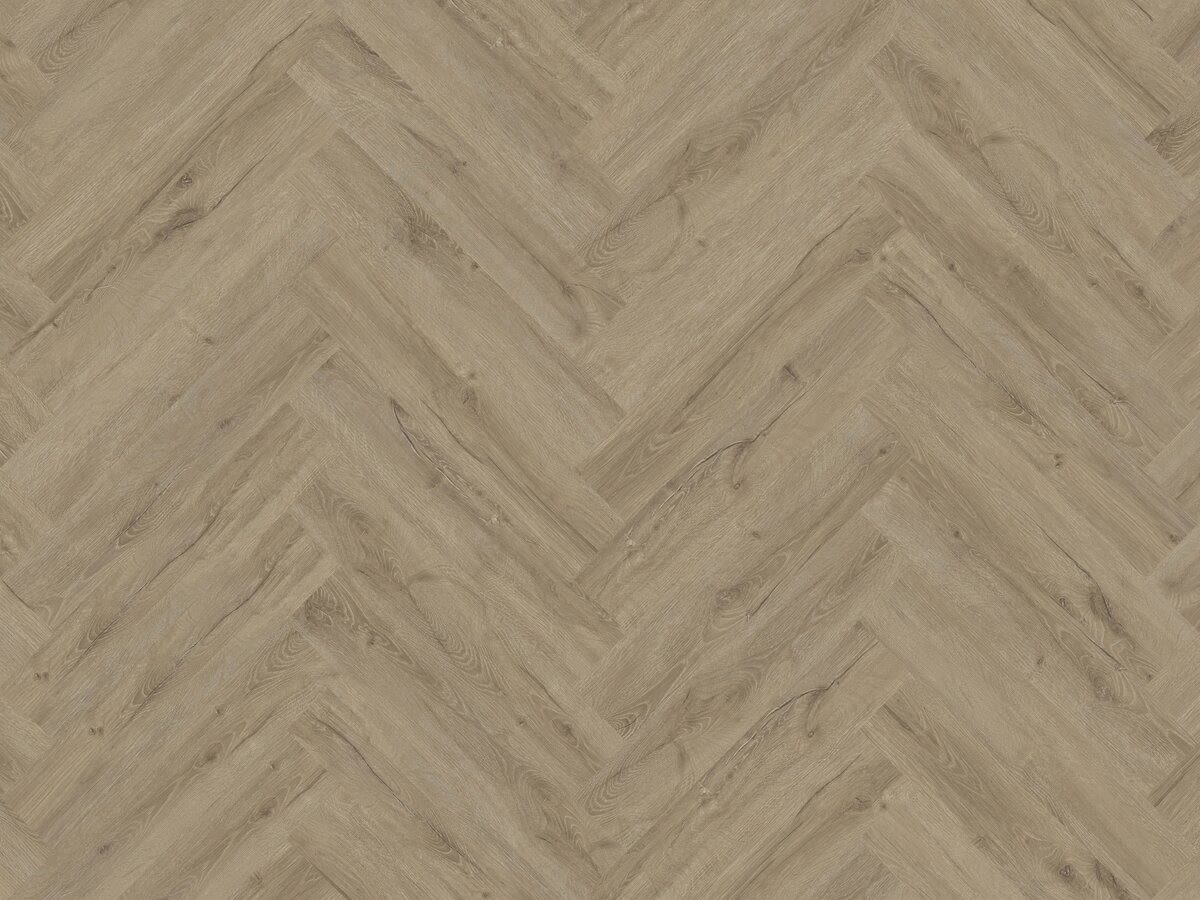
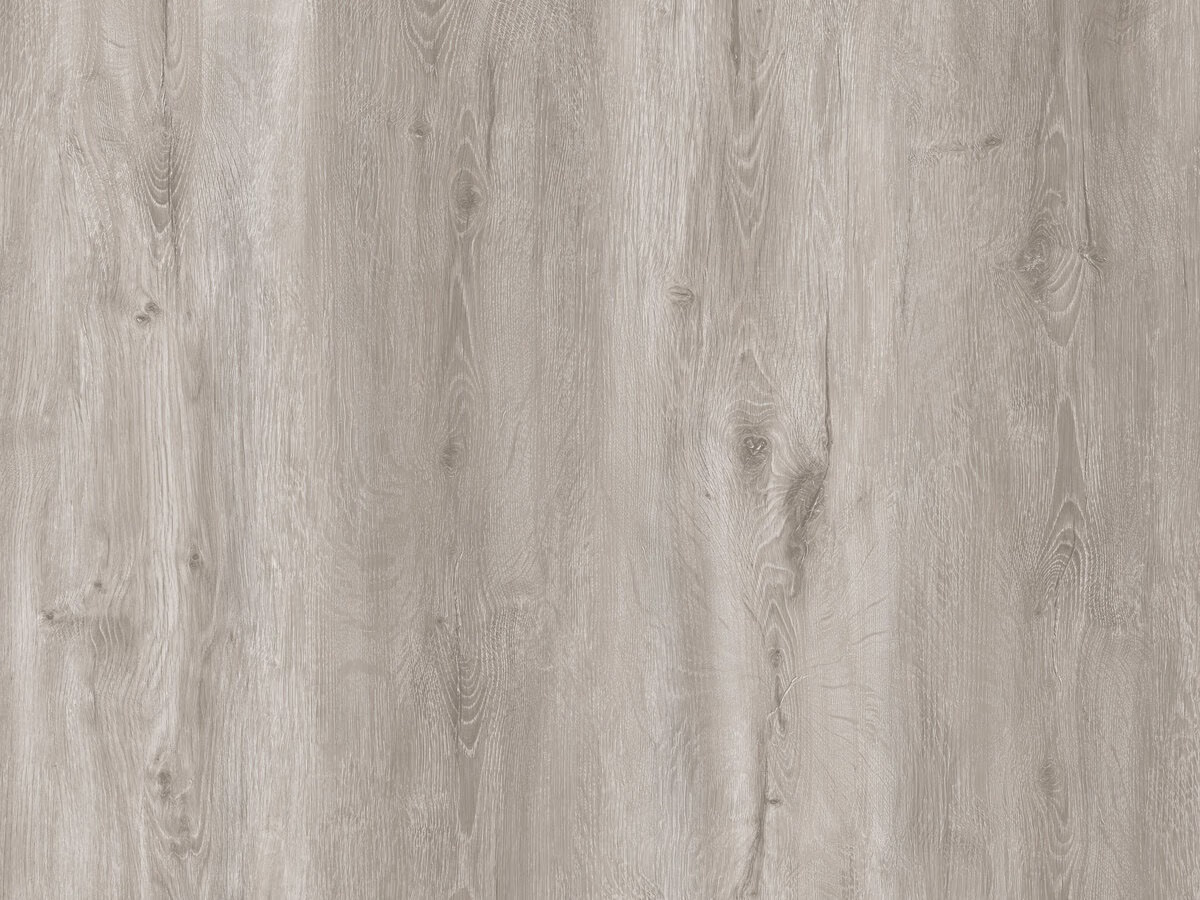
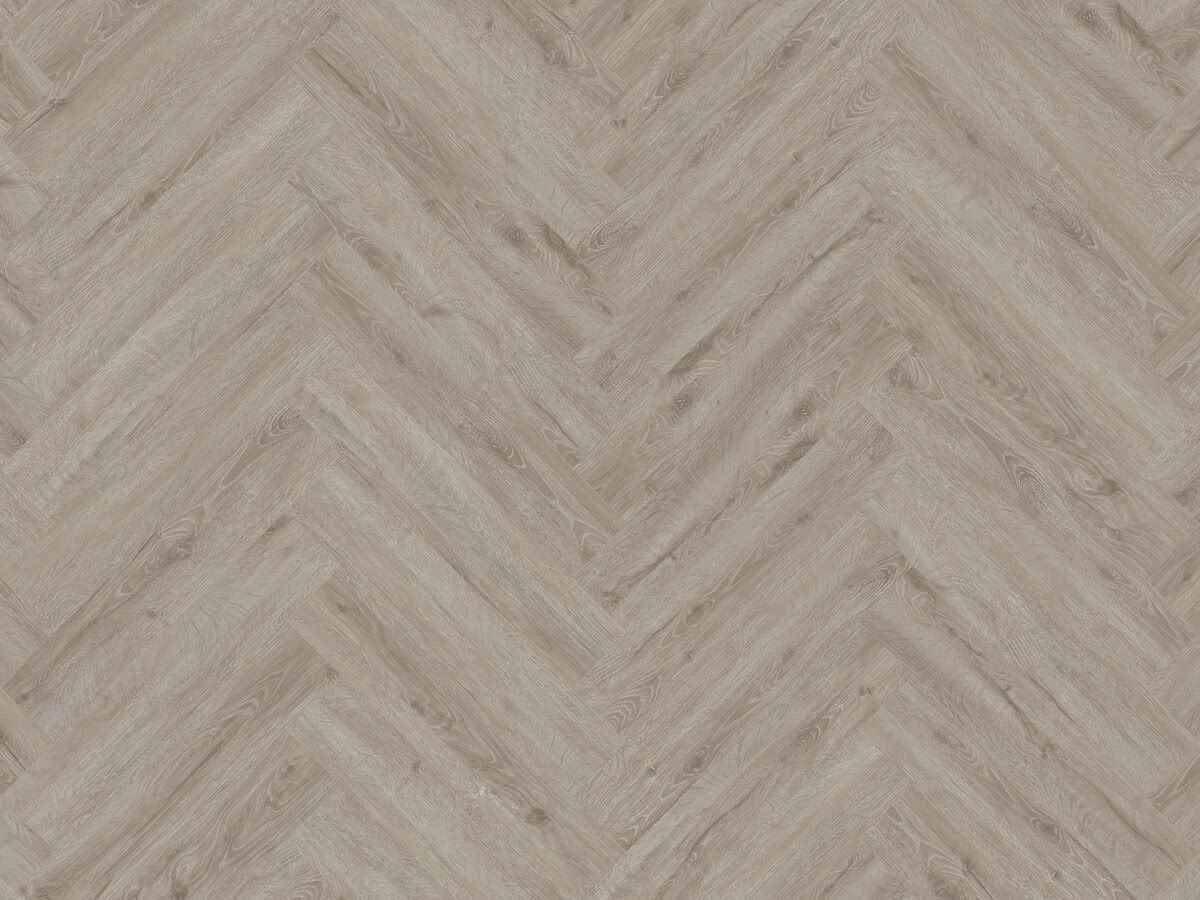
No products found. Try adjusting your filters.
With click LVT the planks lock together and the floor rests loose on the subfloor — it floats. No adhesive, no drying time, and the floor can be lifted again later. For most homes this is the obvious choice.
That is all. Allow one day for an average living room in plank, and one and a half to two days for herringbone. Read our step-by-step guide before you start.
Leave the unopened packs for 48 hours in the room where the floor is going, at 15–22 °C. LVT expands and contracts with temperature; an acclimatised floor stays tight.
No. All our click floors have an integrated underlay that dampens impact sound and absorbs small irregularities. A separate underlay is unnecessary and actually inadvisable: it makes the locking joint too springy, so the edges can break.
A maximum 2 mm deviation over 1 metre. If your floor is more uneven, level it first. Click forgives more than dry-back, but a hollow subfloor eventually causes creaking and open joints.
Yes, 5 mm all round, against every wall and fixed object. A floating floor has to be able to move. The gap is then covered by a skirting board or trim.
Yes, provided the tiles are sound and the grout lines are no deeper than 3 mm. With wider joints, level first, otherwise the grout pattern will telegraph through the floor over time.